Fiaz Ahmed
Bio
I am Fiaz Ahmed. I am a passionate writer. I love covering trending topics and breaking news. With a sharp eye for what’s happening around the world, and crafts timely and engaging stories that keep readers informed and updated.
Stories (1592)
Filter by community
Incident involving Greek-owned vessel raises new security concerns for commercial shipping in the Black Sea. AI-Generated.
A tanker belonging to a fleet associated with the prominent Greek shipping group Angelicoussis Group was reportedly struck by what authorities believe may have been a missile or drone while navigating the Black Sea, sparking renewed concerns over the safety of commercial shipping routes in the increasingly tense maritime region. Maritime security sources said the incident occurred during routine transit through international waters, where merchant vessels continue to operate despite the lingering security risks tied to the regional conflict. Initial reports suggest the ship sustained damage but remained afloat, and emergency response procedures were quickly initiated by the vessel’s crew. Explosion at Sea According to shipping monitors and maritime intelligence firms, the tanker’s crew reported a sudden explosion near the vessel’s hull, followed by alarms indicating possible structural damage. Early assessments indicated that the blast could have been caused either by a missile fragment or an aerial drone strike, though investigators are still working to confirm the exact source of the attack. The tanker, managed by a subsidiary within the Angelicoussis shipping network, was reportedly carrying cargo when the incident occurred. Fortunately, no immediate reports of fatalities were released, although some crew members were said to have sustained minor injuries during the explosion and the subsequent emergency response onboard. Authorities in the region were alerted shortly after the event, and nearby vessels reportedly altered their routes to maintain a safe distance from the damaged ship while rescue coordination efforts began. Rising Maritime Risks The attack highlights the continued volatility affecting maritime traffic in the Black Sea since the outbreak of the Russian invasion of Ukraine in 2022. Although some shipping activity has gradually resumed, the area remains one of the world’s most closely monitored maritime corridors due to military operations, mines, and drone warfare. Commercial vessels traveling through the Black Sea face a complex risk environment that includes naval patrols, aerial surveillance, and the potential presence of unmanned attack systems. Maritime insurers have repeatedly warned that merchant ships operating in the region must maintain heightened vigilance and adhere to strict security protocols. Industry analysts note that tankers and bulk carriers are particularly vulnerable because of their large size and relatively slow maneuverability, making them easier targets in contested waters. Greek Shipping Industry on Alert The Angelicoussis family controls one of the largest privately owned shipping fleets in the world. Its companies operate hundreds of vessels across multiple sectors, including crude oil tankers, liquefied natural gas carriers, and bulk cargo ships. News of the strike quickly spread across the global shipping industry, prompting concerns among operators whose vessels regularly traverse the Black Sea to transport grain, oil products, and other commodities. Greek shipping firms, which collectively manage one of the largest merchant fleets worldwide, are closely monitoring developments. Executives within the sector warned that repeated attacks on merchant vessels could significantly disrupt maritime trade routes in the region. If threats escalate further, insurers may increase war-risk premiums or impose stricter operating conditions on ships entering the Black Sea. Crew Safety and Emergency Response Following the explosion, the tanker’s crew reportedly implemented standard maritime emergency procedures, including damage assessment and communication with nearby vessels and coastal authorities. Maritime safety experts say such protocols are designed to stabilize vessels after attacks or collisions and prevent further harm. Support ships and emergency response teams were reportedly dispatched to assist the damaged tanker, ensuring it could be stabilized and escorted to a safe harbor for inspection and repairs. Early reports suggest the vessel’s propulsion and navigation systems remained functional despite the blast. Crew members were also evaluated for injuries, with medical assistance provided where necessary. Strategic Implications Security analysts say the incident underscores the growing role of drones and precision weapons in modern maritime conflict. The use of relatively inexpensive unmanned systems has allowed both state and non-state actors to threaten large commercial vessels without deploying traditional naval forces. The Black Sea has increasingly become a testing ground for such tactics. Drone strikes on ports, ships, and offshore infrastructure have become more common over the past two years as the conflict has evolved. This development presents a significant challenge for commercial shipping operators, who must navigate waters where advanced military technologies may be deployed without warning. Trade Routes at Risk The Black Sea remains a crucial corridor for global trade, particularly for energy shipments and agricultural exports originating from Eastern Europe and surrounding regions. Any disruption to shipping in the area could have ripple effects across international markets. Energy traders and commodity analysts are closely watching developments following the tanker incident. Although a single attack may not immediately disrupt trade flows, repeated incidents could deter shipping companies from operating in the region. For now, maritime authorities and shipping firms are focusing on ensuring the safety of crews and stabilizing the affected vessel. Investigations into the cause of the strike are ongoing, and additional details are expected to emerge in the coming days. The incident serves as a stark reminder that, even years after the outbreak of conflict in the region, commercial vessels operating in the Black Sea continue to face unpredictable and potentially dangerous conditions.
By Fiaz Ahmed 2 days ago in The Swamp
Trump and Rubio’s Vision of War: The Art of Destroy and Deal. AI-Generated.
In the evolving landscape of American foreign policy debates, few ideas have generated as much discussion as the strategic vision sometimes described by critics and supporters alike as the “destroy and deal” approach. The concept is often associated with the rhetoric and policy preferences of prominent U.S. political figures such as Donald Trump and Marco Rubio, who have both argued that strong military leverage can be a powerful tool in forcing adversaries to negotiate. Although the two leaders differ in tone and political background, their views on national security often intersect around the idea that diplomacy is most effective when backed by overwhelming power. Supporters describe the approach as pragmatic realism, while critics warn that it risks escalating conflicts before negotiations even begin. The Core Idea Behind “Destroy and Deal” At its core, the strategy emphasizes the use of decisive force or economic pressure to weaken an adversary’s position before engaging in negotiations. Advocates argue that demonstrating strength first forces opponents to recognize the costs of continued confrontation. The approach draws inspiration from historical examples where military pressure preceded diplomatic agreements. In such cases, leaders have believed that demonstrating battlefield or economic dominance creates the conditions for favorable negotiations. For Donald Trump, the concept aligns with his broader “America First” philosophy, which prioritizes national interests and direct negotiation with rivals. During his presidency, Trump frequently emphasized that strong sanctions, military readiness, and aggressive rhetoric could push adversaries toward diplomatic settlements. Rubio’s Strategic Perspective Marco Rubio, a long-time member of the United States Senate, has framed the strategy in terms of strategic deterrence and global power competition. Rubio has consistently argued that authoritarian rivals must believe the United States is willing to act decisively in order for diplomatic solutions to succeed. His approach reflects concerns about geopolitical competition with countries such as China, Russia, and Iran, where policymakers in Washington believe strong deterrence is necessary to prevent regional aggression. Rubio and like-minded lawmakers contend that negotiations without leverage often fail, especially when dealing with governments that see compromise as weakness. From this perspective, economic sanctions, military deployments, and strategic alliances are tools that create the leverage required for successful diplomacy. Military Pressure and Negotiation Critics describe the “destroy and deal” philosophy as a risky strategy that could escalate conflicts unnecessarily. They argue that relying on military pressure may provoke retaliation and increase instability in already fragile regions. Foreign policy analysts often note that while coercive diplomacy has occasionally succeeded, it has also led to prolonged conflicts when adversaries refuse to back down. The balance between deterrence and escalation remains one of the central challenges of modern international relations. Supporters counter that deterrence itself depends on credibility. If adversaries believe the United States lacks the will to use force, they argue, diplomatic negotiations lose much of their influence. Influence on Global Strategy The broader debate surrounding this strategy reflects a deeper shift in American foreign policy thinking. In recent years, policymakers across the political spectrum have become increasingly concerned about the return of great-power competition. Conflicts and tensions involving the North Atlantic Treaty Organization, rising competition in the Indo-Pacific region, and ongoing confrontations in the Middle East have all contributed to a more assertive strategic environment. Within this context, the idea of combining pressure with negotiation has gained traction among some policymakers who believe traditional diplomacy alone is insufficient to manage modern geopolitical rivalries. The Critics’ View Opponents argue that such strategies risk oversimplifying complex conflicts. They contend that international crises often require long-term diplomatic engagement, coalition-building, and economic cooperation rather than purely coercive tactics. Some analysts warn that a doctrine centered too heavily on force could undermine international institutions and alliances that have historically played key roles in maintaining stability. Human rights groups have also expressed concern that aggressive strategies may increase civilian suffering in conflict zones if military operations become the primary tool of foreign policy. The Future of the Debate The ongoing discussion surrounding the “destroy and deal” concept reflects broader disagreements about how the United States should navigate an increasingly competitive world. While some policymakers believe stronger military leverage is essential, others advocate for diplomacy and multilateral cooperation as the primary tools for resolving disputes. Ultimately, the effectiveness of any strategy will depend on how it is applied in specific situations. Military strength, economic influence, and diplomatic engagement are all components of modern statecraft, and balancing them remains one of the most difficult tasks for policymakers. As debates continue in Washington and beyond, the ideas associated with Donald Trump and Marco Rubio will likely remain part of the conversation about how the United States approaches war, negotiation, and the pursuit of national interests in an uncertain global landscape.
By Fiaz Ahmed 2 days ago in The Swamp
Why Canada Is Helping Canadians Flee the Middle East — and What It Costs. AI-Generated.
As tensions and conflict escalate across parts of the Middle East, the government of Canada has launched emergency measures to help citizens leave the region. The operation, which includes charter flights, diplomatic coordination, and emergency consular assistance, reflects Ottawa’s responsibility to protect Canadians abroad — but it also carries significant logistical complexity and financial costs. In recent weeks, hundreds of Canadians living or traveling in the Middle East have sought assistance from embassies and consulates as security conditions deteriorated in several countries. The government responded by organizing evacuation routes and temporary transit arrangements to help citizens reach safer destinations. Emergency Evacuations Begin Officials at Global Affairs Canada confirmed that evacuation operations were initiated after rising regional tensions created concerns about civilian safety and the potential closure of commercial air routes. With flights disrupted and airspace restrictions affecting travel across the region, many Canadians found themselves unable to leave on their own. To address the situation, Canada coordinated charter aircraft, assisted travelers with documentation, and established emergency registration systems so citizens could report their locations and request support. In several cases, diplomatic staff also helped Canadians cross land borders to neighboring countries where commercial flights remained available. Canadian authorities emphasized that evacuation efforts are typically reserved for situations where normal travel options become unavailable or unsafe. The Financial Cost While such operations are essential for citizen safety, they are also expensive. Chartering aircraft, deploying diplomatic staff, and maintaining emergency response systems can cost millions of dollars, depending on the scale and duration of the crisis. Government officials say evacuation flights often involve complex logistics, including securing aircraft at short notice, coordinating with foreign governments, and ensuring safe transport routes. In many cases, aircraft must operate outside normal commercial schedules or travel through longer flight paths due to security concerns. Canadian taxpayers typically cover the upfront costs of these operations, though the government sometimes asks evacuees to repay part of the expense later. In previous crises, travelers were billed for a portion of their evacuation flight costs, often equivalent to a standard commercial airfare. However, officials acknowledge that collecting repayment can be difficult, particularly if evacuees face financial hardship after leaving the region. Diplomatic Coordination Evacuations require extensive international cooperation. Canadian diplomats often work closely with allied countries, including the United States, the United Kingdom, and European partners to share transportation resources and coordinate departure routes. In some situations, citizens from multiple countries are placed on the same evacuation flights. This cooperation helps reduce costs and ensures that limited aircraft capacity can be used as efficiently as possible. Diplomatic teams also coordinate with local authorities to secure airport access, travel permissions, and border crossings. In regions experiencing active conflict or instability, these negotiations can be particularly sensitive and time-consuming. Who Gets Help Canada’s evacuation operations primarily focus on citizens and permanent residents. However, officials often face difficult decisions when family members without Canadian citizenship request assistance. In past crises, Ottawa has sometimes allowed immediate family members to board evacuation flights, though these decisions are typically made on a case-by-case basis. Immigration documentation and security procedures must still be followed, which can delay departures. The government also encourages Canadians abroad to register with its Registration of Canadians Abroad system, which helps officials locate citizens quickly during emergencies. Lessons from Past Evacuations Canada has carried out similar evacuation missions in previous conflicts and crises. During political upheaval in the Middle East and North Africa over the past decade, Ottawa organized charter flights and naval evacuations to assist citizens leaving dangerous areas. One of the largest such efforts occurred during the 2006 Lebanon War, when Canada evacuated tens of thousands of citizens from Lebanon using ships and aircraft. That operation remains one of the most complex consular evacuations in Canadian history. Since then, Canada has refined its emergency response procedures, focusing on faster coordination and improved communication with citizens abroad. Balancing Responsibility and Risk Evacuation missions highlight the challenges governments face when protecting citizens overseas. While many Canadians travel or work abroad every year, crises can emerge suddenly and disrupt transportation networks with little warning. Officials stress that travelers should always monitor security conditions and follow government travel advisories before visiting high-risk regions. In some cases, citizens remain in affected areas despite warnings, making evacuation efforts more complicated. Despite the cost and logistical hurdles, the Canadian government says assisting citizens in times of danger remains a core responsibility. A Continuing Operation As the Middle East crisis continues, Canadian authorities say evacuation operations may remain active as long as security conditions require them. Diplomatic staff are monitoring developments closely and preparing additional assistance if needed. For Canadians seeking to leave the region, the government’s message is clear: register with consular services, stay informed about travel options, and be prepared to depart quickly if conditions worsen. The cost of these operations may be high, but officials say the priority remains ensuring that Canadians can return home safely during times of international crisis.
By Fiaz Ahmed 2 days ago in The Swamp
Hunger is looming over Yemen, urgent action is needed. AI-Generated.
Yemen is facing one of the most severe humanitarian crises in the world, with millions of people at risk of starvation as conflict, economic instability, and restricted access to aid converge to create a dire situation. Experts warn that without urgent international intervention, the country could experience catastrophic levels of hunger and malnutrition in the coming months. The crisis is driven by years of armed conflict between the internationally recognized government and Houthi rebels, compounded by regional geopolitical tensions, economic collapse, and the disruption of basic services. Humanitarian agencies have repeatedly highlighted that food insecurity is escalating rapidly, with children and vulnerable populations at particular risk. The Scale of the Crisis According to reports from United Nations World Food Programme, more than 20 million people in Yemen — nearly two-thirds of the population — face severe food insecurity. Of these, millions are on the brink of famine, unable to access adequate nutrition due to limited food supplies, rising prices, and blocked humanitarian corridors. The war has destroyed infrastructure, disrupted agricultural production, and limited the flow of imports, making food increasingly scarce and expensive. Fuel shortages exacerbate the problem by making transportation of goods more difficult, while inflation further erodes household purchasing power. Children and Vulnerable Groups at Risk Children are disproportionately affected by Yemen’s food crisis. Malnutrition rates among children under five have reached alarming levels, with tens of thousands at risk of life-threatening conditions such as severe acute malnutrition. International health agencies warn that without immediate intervention, the health and survival of an entire generation are at stake. Pregnant and lactating women, the elderly, and displaced populations are also particularly vulnerable. Limited access to healthcare and clean water compounds the risk of disease, further increasing the urgency for humanitarian support. Barriers to Aid Delivery Humanitarian operations in Yemen face immense challenges. Blocked ports, active conflict zones, and bureaucratic restrictions hinder the delivery of food, medical supplies, and essential services. Aid organizations report that in some regions, trucks carrying food are delayed for weeks due to inspections and restricted access imposed by local authorities. The situation is worsened by ongoing conflict, which disrupts supply chains and forces humanitarian agencies to navigate dangerous areas to reach vulnerable communities. Aid convoys often require extensive negotiation and security coordination, limiting the speed and volume of deliveries. International Response The international community has pledged support, but funding gaps continue to impede large-scale relief efforts. United Nations and partner organizations have repeatedly called for emergency funding to address Yemen’s food crisis, emphasizing that without rapid assistance, the risk of famine will increase dramatically. Several countries and humanitarian donors have contributed to food and medical aid, but the sheer scale of the need far exceeds available resources. Emergency appeals frequently highlight the need for cash assistance, nutritional support for children, and measures to restore basic services. Economic Collapse Compounds the Crisis Yemen’s economy has been devastated by years of war. Currency depreciation, high unemployment, and disrupted markets have left millions unable to afford food even when supplies are available. Analysts warn that without economic stabilization, humanitarian interventions alone may be insufficient to prevent widespread hunger. The collapse of local food production further intensifies the problem. Farmers struggle with lack of access to seeds, fuel, and water, while conflict limits transportation to markets, leading to shortages in urban and rural areas alike. Calls for Urgent Action Experts stress that immediate and coordinated action is essential. Expanding humanitarian access, increasing funding, and negotiating safe corridors for food delivery are critical steps to prevent mass starvation. Humanitarian advocates also urge the international community to press for ceasefires and conflict resolution measures that allow aid to reach those most in need. Without addressing the underlying political and security issues, temporary relief may only partially alleviate the crisis. The Humanitarian Imperative Yemen’s hunger crisis is a stark reminder of the devastating human cost of prolonged conflict. Families are being forced to make impossible choices, and children are suffering the consequences of disrupted food systems and limited healthcare. Global organizations continue to emphasize that starvation is preventable if the international community acts swiftly. Coordinated diplomatic, financial, and logistical support could save millions of lives and stabilize communities across Yemen. As the situation deteriorates, the world faces a moral imperative: to provide urgent assistance before the crisis escalates into widespread famine and the loss of countless lives. Immediate action is needed to deliver food, medical care, and protection to the most vulnerable, ensuring that hope is not lost amid the devastation.
By Fiaz Ahmed 2 days ago in Futurism
Germany Germany misses climate targets as emissions barely fall in 2025. AI-Generated.
Germany has fallen short of its national climate targets after greenhouse gas emissions declined only marginally in 2025, raising fresh concerns about whether Europe’s largest economy can meet its ambitious decarbonization goals in the coming decade. Preliminary estimates from environmental monitoring groups suggest emissions in Germany fell by less than expected last year, marking a slowdown in progress compared with earlier reductions achieved during the energy crisis and pandemic years. The modest decline has sparked criticism from climate advocates and renewed debate within the government over the pace of the country’s energy transition. Officials linked the sluggish progress to several factors, including higher industrial output, increased use of fossil fuels during periods of energy demand, and slower-than-anticipated expansion of renewable power infrastructure. These pressures complicated the country’s efforts to stay on track with targets established under Germany’s national climate law. Slower Emissions Decline Germany had aimed to reduce greenhouse gas emissions significantly by the middle of the decade as part of a broader plan to reach climate neutrality by 2045. However, analysts say the reductions achieved in 2025 were minimal compared with the steep cuts required to meet those targets. The country’s climate framework requires strict annual limits for major sectors including transportation, buildings, industry, and energy production. Several of those sectors are believed to have exceeded their permitted emission levels last year, placing additional pressure on policymakers to introduce corrective measures. Environmental experts note that early gains in emissions reduction were partly driven by temporary circumstances such as reduced economic activity and energy consumption during the pandemic period. As the economy rebounded, structural reforms needed to maintain those reductions have proven more difficult to implement. Energy Transition Challenges Germany’s energy transition, often referred to as Energiewende, aims to rapidly expand renewable energy while phasing out nuclear and coal power. Although renewable generation has grown significantly over the past decade, challenges remain in scaling up infrastructure quickly enough to replace fossil fuels. Wind and solar installations continue to expand across the country, but regulatory hurdles, grid limitations, and local opposition to some projects have slowed development in certain regions. At the same time, fluctuating renewable output has required continued reliance on gas and coal power plants during periods of high electricity demand. Energy analysts say that balancing supply and demand during the transition remains one of the central difficulties for policymakers. Without major improvements in energy storage, grid expansion, and renewable deployment, fossil fuel generation may remain necessary to ensure stability in the power system. Transport and Buildings Under Pressure Two sectors in particular — transportation and buildings — continue to pose serious challenges for Germany’s climate strategy. Road traffic emissions remain stubbornly high due to strong reliance on private vehicles and freight transport powered by diesel and gasoline. Although electric vehicle adoption is increasing, the transition is occurring more slowly than many climate planners had anticipated. Charging infrastructure expansion and consumer adoption rates have become key issues in the national debate over transportation emissions. The buildings sector faces similar obstacles. Heating systems in millions of German homes still rely on natural gas or oil, and efforts to replace them with cleaner alternatives have triggered political controversy over costs and regulatory requirements. European and Global Implications Germany’s climate performance carries significant weight across the European Union, where the country plays a leading economic and political role. The EU has set ambitious emissions reduction targets for member states as part of its broader strategy to combat global climate change. If Germany struggles to meet its national targets, analysts warn it could complicate the bloc’s collective efforts to reduce emissions and maintain credibility in international climate negotiations. Climate groups say stronger policies will be needed to accelerate emissions cuts, including faster renewable energy deployment, stricter efficiency standards, and increased investment in green technologies. Political Debate Intensifies The latest emissions data has already fueled debate within Germany’s governing coalition, where parties differ over the best approach to climate policy. Some leaders argue that more aggressive regulations and subsidies are needed to drive rapid transformation, while others warn that excessive pressure could harm industry and economic competitiveness. Industrial groups have expressed concern that overly strict climate measures could push manufacturing companies to relocate production outside Europe. Environmental advocates, however, argue that delaying action would ultimately prove more costly both economically and environmentally. The Road Ahead Despite the disappointing results for 2025, government officials insist that Germany remains committed to its long-term climate objectives. Additional policies aimed at accelerating renewable deployment, expanding public transportation, and improving energy efficiency are expected to be introduced in the coming years. Experts say the next few years will be critical for determining whether Germany can regain momentum in cutting emissions. Achieving the country’s climate targets will require sustained investment, political consensus, and major structural changes across key sectors of the economy. For now, the limited emissions decline in 2025 serves as a warning sign that the path toward climate neutrality may prove more complex — and more contested — than originally anticipated.
By Fiaz Ahmed 2 days ago in The Swamp
How the Middle East Crisis Has Affected Sporting Events and Athletes. AI-Generated.
The ongoing crisis in the Middle East has begun to ripple far beyond politics and security, reaching into the world of international sports. Major competitions have been rescheduled, athletes have faced travel disruptions, and sports organizations have had to rethink safety protocols as instability in the region affects global sporting calendars.
By Fiaz Ahmed 2 days ago in The Swamp
Two Oil Tankers Seen at Kharg After Strikes, Satellite Firm Says. AI-Generated.
Satellite imagery captured in the aftermath of recent strikes near Iran’s most important oil export terminal indicates that at least two large crude carriers have appeared near the island’s main loading infrastructure, according to a commercial monitoring company. The images suggest that oil export activity at the strategic terminal may be cautiously resuming even as tensions in the region remain high. The new analysis focuses on facilities at Kharg Island, a small island in the northern Persian Gulf that handles the majority of Iran’s crude exports. The terminal has long been considered a critical node in the country’s energy sector and a potential vulnerability in times of conflict. According to analysts at Planet Labs, which provides high-resolution satellite imagery to governments and commercial clients, images taken within the past 48 hours show two very large crude carriers positioned near the island’s primary offshore loading jetties. The tankers appear to be anchored or slowly maneuvering close to export facilities that were reportedly targeted in recent strikes. The strikes themselves have not been officially confirmed in detail by Iran, though regional security officials and shipping monitors say explosions were reported near energy infrastructure earlier this week. The incident occurred amid rising tensions across the Persian Gulf, where multiple attacks on commercial shipping and energy facilities have raised fears of a broader confrontation. Satellite specialists said the appearance of the tankers could signal that operators believe the damage to loading facilities is limited or manageable. “The vessels appear positioned in a way consistent with preparing for or conducting loading operations,” one analyst familiar with the imagery said. “That would suggest the terminal is at least partially operational.” However, analysts cautioned that the presence of ships does not necessarily mean that oil is currently flowing at full capacity. In some cases, tankers are positioned near export terminals as a contingency while infrastructure is inspected or repaired. Kharg Island plays an outsized role in Iran’s energy exports. Industry estimates indicate that up to 90 percent of the country’s crude shipments historically passed through the terminal’s jetties and offshore loading buoys. Damage to those facilities could significantly affect Iran’s ability to move oil to international buyers. Shipping data compiled by maritime intelligence groups indicates that several tankers previously scheduled to approach the island delayed their arrival after reports of the strikes emerged. Insurance costs for vessels operating in the region have also risen sharply. Global energy markets have been closely watching developments. Even temporary disruptions to exports from the Gulf can ripple through oil markets because of the region’s role as the world’s largest crude supply hub. Traders reacted nervously earlier in the week, pushing prices higher as uncertainty about the security of shipping lanes spread. The narrow Strait of Hormuz, located just southeast of Kharg Island, is one of the most important maritime chokepoints in the world. Roughly a fifth of global oil shipments pass through the strait each day, making any escalation in the surrounding waters a major concern for global energy security. Security analysts say the latest imagery could indicate that Iranian authorities are attempting to project stability by maintaining visible export operations. Keeping tankers near loading terminals can signal to markets and buyers that exports are continuing despite military pressure. Regional naval forces have also increased patrols in the area. Several Western and Gulf states have warned commercial vessels to exercise caution when transiting near Iranian territorial waters. Shipping companies are monitoring security advisories closely, particularly as earlier incidents involving drones and missiles have demonstrated the vulnerability of large commercial vessels. Officials in United States and several European countries have declined to comment directly on the satellite images but have reiterated calls for restraint. Diplomatic channels remain active as governments seek to prevent a cycle of retaliatory strikes that could endanger civilian shipping and energy infrastructure. Meanwhile, energy analysts note that Iran has developed contingency plans over decades of sanctions and regional tensions. These include alternative loading arrangements, storage facilities, and ship-to-ship transfer methods designed to keep exports moving even under pressure. The satellite imagery does not yet provide a clear assessment of potential structural damage to Kharg’s export terminals. Cloud cover and the angle of observation make it difficult to determine whether pipelines, storage tanks, or loading arms were affected by the reported strikes. Even so, the mere presence of two tankers near the island has attracted close scrutiny from energy traders and security officials alike. Maritime traffic around Kharg is typically a reliable indicator of Iran’s export activity, and analysts say additional images in the coming days will help clarify whether loading operations are actually underway. For now, the images serve as one of the few independent glimpses into conditions at one of the world’s most strategically important oil terminals. As tensions remain elevated in the Gulf, the movements of just a few ships near Kharg Island could carry implications far beyond the region, influencing energy markets and geopolitical calculations around the globe.
By Fiaz Ahmed 2 days ago in The Swamp
More than 110 people killed in Iran’s Kurdistan: Official. AI-Generated.
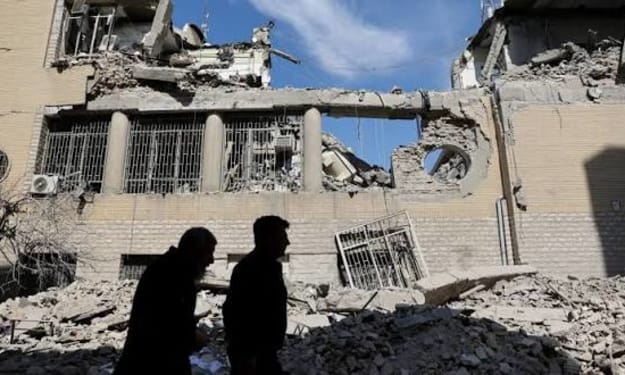
More than 110 people have been killed in Iran’s western Kurdish region after a series of powerful air strikes hit several locations in the province, according to local officials. The deadly attacks are among the most severe incidents reported in the region since the escalation of hostilities between the United States, Israel, and Iran earlier this year. Authorities in Kurdistan Province said at least 112 people were killed and nearly 1,000 others injured when multiple strikes targeted facilities and infrastructure across the province. Emergency crews were still searching through damaged buildings as hospitals struggled to cope with the influx of wounded residents. Local officials reported that several of the strikes hit areas near the provincial capital Sanandaj, where large plumes of smoke were seen rising above residential districts and government buildings. Videos circulating on social media appeared to show damaged structures, shattered streets, and rescue teams attempting to reach people trapped under rubble. The attacks occurred as the broader war involving United States, Israel, and Iran continues to expand across the Middle East. The conflict began with coordinated strikes on Iranian military and strategic sites earlier in the year and has since spread into multiple regions, including the Persian Gulf and parts of Iraq and Syria. Officials in Iran said many of those killed were civilians, though security forces were also believed to be among the casualties. Several military installations and logistical facilities in Kurdish-majority provinces have reportedly been targeted during the campaign. The mountainous region has strategic importance due to its proximity to the Iraqi border and its role in hosting various military and intelligence facilities. Emergency services described chaotic scenes in several towns across the province. Ambulances transported victims to hospitals in Sanandaj and neighboring cities, while local authorities urged residents to donate blood and assist relief operations. Medical officials said the number of injured—reported at more than 900—could rise as additional casualties are brought in from remote areas. Analysts say the Kurdish provinces of western Iran have become an important battleground during the ongoing conflict. According to monitoring groups, numerous military bases and security installations in Kurdish-majority areas have been targeted in recent weeks as part of the escalating air campaign. The latest attacks are part of a broader military confrontation that has already caused significant casualties across Iran. Reports indicate that thousands of people have been killed or injured nationwide since the beginning of the strikes earlier in the year. The conflict has also triggered retaliatory actions by Iranian forces. Tehran has launched missile and drone attacks against regional targets, including military installations linked to US forces and strategic facilities in several Gulf states. These exchanges have heightened fears that the conflict could spiral into a wider regional war. International organizations and humanitarian groups have expressed concern over the rising civilian toll. Several governments have called for restraint and renewed diplomatic efforts to prevent further escalation. However, fighting has continued across multiple fronts, including air strikes, missile launches, and naval confrontations in the Gulf. Residents in Iran’s Kurdish region say the attacks have created a climate of fear and uncertainty. Many families have fled their homes in affected districts, while others remain trapped due to damaged roads and limited transportation. For many observers, the strikes highlight the widening geographical scope of the conflict. What began as targeted military operations has now spread to civilian-populated areas and strategic infrastructure across the country. As rescue operations continue in Kurdistan province, authorities warn that the death toll may rise further in the coming days. The tragedy underscores the human cost of the escalating confrontation and the growing danger that the conflict could engulf even larger parts of the region.
By Fiaz Ahmed 2 days ago in Futurism
UAE Flight Status March 14: Updated Schedules, Destinations and Travel Advisory. AI-Generated.
Dubai, UAE — Flight operations at major airports in the United Arab Emirates on March 14, 2026 remain heavily affected by ongoing regional tensions and partial airspace closures, with airlines running reduced schedules and travelers urged to verify all bookings before heading to airports. Authorities and carriers alike have confirmed that while the worst of the cancellations seen earlier this month may be easing, operations are still far from normal, with flights limited to selected destinations and frequent changes to timetables. Airlines and Schedules: What’s Operating on March 14 Several carriers, both local and international, are continuing to operate flights on a restricted basis: Emirates and Etihad Airways have resumed a number of flights from Dubai International Airport (DXB) and Abu Dhabi International Airport (AUH) to key hubs across Europe, Asia, Africa and the Middle East, though not all services are running and timetables may change at short notice. Passenger services are being restored gradually. Some carriers have reinstated flights to major destinations like London, Paris, Delhi and Mumbai, while others continue to operate only essential or special repatriation flights. Data from Dubai International Airport shows a mix of resumed and canceled services, with carriers like Air India planning around 80 flights to and from UAE airports on March 14, while some low‑cost and regional services, such as those by IndiGo, have canceled dozens of scheduled flights due to the ongoing situation. Affected Routes and Destinations Operational flights on March 14 are largely focused on major international and repatriation corridors: Key long‑haul flights connecting the UAE with Europe and Asia are operating, albeit with limited frequency and last‑minute changes in departure times. Routes to and from Africa and the Indian subcontinent continue to serve passengers, although availability is limited and subject to change. Some international carriers, especially those operating out of Europe and beyond, are reinstating selected services but are keeping schedules flexible due to unpredictable airspace conditions. Airspace and Airport Operations The UAE’s airspace has faced partial closures and restrictions since early March, which resulted in widespread flight suspensions and cancellations across the region. While improvements have been reported over the past week, authorities are still monitoring regional developments closely and adjusting flight operations accordingly. Both Dubai and Abu Dhabi airports remain open and operational, but with reduced capacity compared with normal schedules. Travelers are advised to arrive at the airport only after confirming their flight status with the airline directly — arriving without confirmation may result in denied boarding or logistical issues at security checkpoints. Travel Advisory and Passenger Guidance Government travel advisories and airline notices continue to emphasize safety and the importance of staying updated: Passengers should check flight statuses online using official airline websites or contact customer service before planning their airport arrival. Travelers are reminded that flight schedules — especially international routes — may change with limited notice due to shifting airspace restrictions. Some countries have issued elevated travel advisories for the UAE, urging citizens to reconsider non‑essential travel and stay abreast of regional developments. Additional travel advice includes verifying visa requirements, ensuring travel insurance covers delays and cancellations, and preparing for extended wait times at check‑in counters and immigration during this transitional period. Outlook for Travelers Industry experts note that if regional conditions continue to stabilize, further expansion of flight schedules and smoother operations could follow in the coming days. However, the current landscape remains fragile, and passengers should continue to exercise caution. As of March 14, 2026, the overall picture remains one of gradual restoration rather than full normalcy in UAE aviation, with flights operating selectively and a strong emphasis on communication and flexibility for travelers.
By Fiaz Ahmed 2 days ago in The Swamp
Snow Makes Summit Finish in Paris‑Nice ‘Unfeasible’. AI-Generated.
Nice, France — Organizers of the 2026 Paris–Nice have been forced to abandon the originally scheduled summit finish on Stage 7 due to severe snow and cold conditions in the high Alps, prompting major changes to one of the race’s most important mountain stages. The stage was poised to be a key day in the eight‑day “Race to the Sun,” with riders expected to battle it out on a high mountain finish at the Auron ski station. However, persistent snowfall and freezing conditions prompted discussions between teams, officials, and local authorities, ultimately leading to the decision that riding to the summit would be dangerous and “unfeasible.” Organizers initially altered the route in the early morning hours, cutting the summit finish to preserve safety margins for the peloton. But conditions deteriorated further, with snow continuing to fall in the region and temperatures hovering around freezing—making traction on steep alpine roads treacherous for high‑speed racing. “We’ve had to change the finish because conditions up high are outright unsafe,” one race official said, emphasizing that rider safety is paramount. While the stage itself will still take place, the finish has been relocated to Isola, a lower‑lying location in the valley with gentler climbing and reduced risk from ice and snow. What’s Changed Under the revised plan, the stage will cover only a portion of the originally intended route, with a shortened competitive section of just 47 kilometers. Riders will now contest this shorter segment up to Isola rather than battling through full alpine ascents. The modified profile greatly reduces the climbing challenge, transforming what was to be a defining queen stage of the race into what may resemble a flatter, transitional day. This has altered the strategic landscape for general classification contenders, sprinters, and breakaway specialists alike. Riders React Current race leader Jonas Vingegaard, who has been wearing the leader’s jersey in Nice, acknowledged the unusual conditions while stressing that safety must come first. He noted that the peloton and team representatives worked closely with organizers as weather forecasts worsened, and he supports the decision to alter the stage. “Of course we want to race hard and attack on climbs,” Vingegaard said, “but if the summit is covered in snow and ice, it’s not safe. We all agreed it was best to change the finish.” Other riders were seen wearing cold‑weather gear and preparing for challenging wet conditions at lower elevations, underscoring how quickly spring racing can be disrupted by alpine weather even at this time of year. Weather a Growing Concern This is not the first time snow has interfered with Paris–Nice, a race nicknamed for its traditional progression from chilly northern France to sunnier Mediterranean environs. Historical data shows that snow and cold weather have led to stage cancellations, neutralizations, and course changes in previous editions of the race, especially on high mountain stages in March. The Alpes‑Maritimes region, where the summit finish was planned, routinely sees unpredictable conditions in early spring. With forecasts indicating more unsettled weather, this year’s edition could become another example of how climate and mountains collide in professional cycling. Implications for the Race The revised finish at Isola removes a key opportunity for climbers to gain time on rivals. Instead, the shortened finish could benefit versatile riders or punchier climbers who thrive on shorter, less technical ascents. Teams will likely reassess their tactics for both the remaining mountain stages and the concluding flatter legs of the race. Fans watching on television or at roadside are reminded that stage times and profiles can change at short notice, particularly when weather becomes a factor. Organizers continue to monitor conditions closely and are prepared with contingency plans should further adjustments be necessary Despite the disappointment of losing a dramatic summit finish, race officials and competitors alike have emphasized that safety must outweigh spectacle. In environments where temperatures dip below zero and snow blankets the racecourse, the risks to riders, support staff and fans simply become too great to ignore. As the Paris‑Nice caravan moves forward, attention now shifts to the final stages of the event and how the modified queen stage will influence the overall standings—a dramatic twist in a race known as much for testing resilience as for celebrating sunshine.
By Fiaz Ahmed 3 days ago in Futurism
U.S. Navy to increase production of anti-submarine mines. AI-Generated.
Washington, D.C. — The United States Navy has confirmed plans to expand the production of advanced anti‑submarine mine systems as part of an intensified effort to bolster its undersea warfare capabilities amid growing global competition below the waves. Officials say the move reflects mounting concerns about the expanding submarine fleets of peer competitors and the need to strengthen maritime deterrence and denial strategies. According to a recent presolicitation notice issued by the Naval Sea Systems Command, the Navy intends to modify an existing contract with General Dynamics Mission Systems that increases the number of units of the Hammerhead anti‑submarine mine to be procured over the next several fiscal cycles. The contract adjustment is designed to rapidly accelerate deliveries while ensuring operational demands are met beginning in fiscal year 2027. Senior Navy officials said that expanding Hammerhead production is a priority because the system provides a mobile, autonomous capability to detect, classify and engage hostile submarines — a capability that is increasingly vital in contested littoral and open‑ocean environments. The mines are designed to be deployed from unmanned underwater vehicles, surface vessels or aircraft, and operate in waters where traditional anti‑submarine warfare (ASW) assets may be vulnerable or limited. “We are rapidly adjusting our undersea capabilities to address the realities of great‑power competition,” a senior defense official involved in the procurement process told reporters on condition of anonymity. “The expansion of anti‑submarine mine production — particularly systems like Hammerhead — provides us with a crucial asymmetric advantage in waters where adversary submarine activity is increasing.” Why Mines Again? Naval mines have a long history as cost‑effective tools of maritime control and denial. During the Cold War, systems such as the Mark 60 CAPTOR mine were designed to disrupt Soviet submarine operations in critical chokepoints and served as part of layered ASW strategies. These weapons combined a torpedo killer with a stationary mine casing to detect and destroy submarines autonomously. Despite periods of diminished emphasis in the post‑Cold War era, mine warfare has regained attention within U.S. naval strategy as peer competitors modernize their undersea forces. The marked growth of adversary submarine fleets — particularly the rapid expansion of the People’s Liberation Army Navy nuclear and diesel‑electric submarine fleets — has renewed emphasis on tools that can impose area denial or complicate hostile maneuvers in strategic waters. Mine systems like Hammerhead are seen as force multipliers: they can extend ASW reach into denied areas, channel adversary submarines into predictable paths, and serve as persistent sensors and shooters long after initial deployment. Their autonomy also reduces risk to manned ASW platforms, which are vulnerable to advanced anti‑access systems and modern torpedoes. Industrial and Strategic Challenges Increasing production of advanced mines presents both industrial and strategic challenges. In its notice, the Navy acknowledged that General Dynamics Mission Systems is currently the only vendor capable of meeting the accelerated timeline for additional Hammerhead units, which is why the contract modification will proceed without full and open competition. This approach, while expedient, highlights broader constraints in the defense industrial base for undersea systems, where capable producers are limited and highly specialized. Supporters of the expanded program argue that concentrating production with an experienced contractor will avoid delays and preserve continuity, but some defense analysts have raised concerns about dependence on single suppliers for niche yet critical capabilities. Diversifying the industrial base, they say, could hedge against supply chain disruptions and reduce bottlenecks for future undersea programs. The increased production mandate comes at a time when the Navy is simultaneously stretched across a wide range of modernization and recapitalization efforts, including submarine construction, unmanned undersea systems and expanded mine countermeasure capabilities. Last year’s push for expanded procurement reflected similar pressures on the submarine industrial base, where funding boosts are being applied to sustain construction rates and address workforce constraints. Operational Context The strategic rationale for accelerating anti‑submarine mine production stems from the evolving global maritime environment. Analysts note that Russia’s modernization of its submarine fleet — as well as China’s rapid deployment of new nuclear and conventionally powered submarines — has placed increased pressure on U.S. undersea dominance. Submarines are a central element of both offensive and deterrent naval operations, making investments in tools that can detect and counter them a priority for defense planners. Complicating matters further, developments in autonomous underwater vehicles (UUVs) and unmanned surface vehicles (USVs) have reshaped mine warfare. Modern mines can be integrated with these platforms to achieve quicker, more precise deployment in contested or denied waters while complicating an adversary’s ability to detect and neutralize them. These advances signal a renewed era of undersea competition where traditional concepts are being blended with emerging technologies. Looking Ahead As the Navy prepares to issue and implement the contract modification for expanded Hammerhead supplies, officials emphasize that the program is just one part of a broader, multi‑domain approach to undersea warfare. Investments in detection systems, advanced torpedoes, and layered ASW networks — including manned and unmanned platforms — are moving forward in parallel to ensure that U.S. forces maintain a competitive edge beneath the surface. In an era defined by competition with near‑peer naval powers, the resurgence of mine warfare — once considered a legacy capability — underscores the complexity and adaptability of modern maritime strategy. The expanded anti‑submarine mine production effort reflects not only tactical considerations, but the Navy’s long‑term commitment to securing undersea superiority across critical sea lanes and contested regions.
By Fiaz Ahmed 3 days ago in The Swamp
New Research Challenges Long-Held Assumptions About Prediabetes Treatment. AI-Generated.
A growing body of research is challenging long-standing medical assumptions about how prediabetes should be treated. For decades, doctors and public-health campaigns have emphasized weight loss as the central strategy for preventing the progression from prediabetes to type 2 diabetes. However, new findings suggest that achieving normal blood-glucose levels—regardless of whether significant weight loss occurs—may be the key factor in reducing long-term health risks. Prediabetes occurs when blood sugar levels are higher than normal but not yet high enough to be diagnosed as diabetes. Globally, hundreds of millions of people are estimated to live with the condition, making it one of the most important early warning signs for metabolic disease. If left untreated, many individuals eventually develop type 2 diabetes, which significantly increases the risk of heart disease, kidney failure, nerve damage and other complications. Focus Shifting from Weight to Glucose Control In the new analysis, researchers examined long-term data from international diabetes-prevention studies. Their results indicate that people who returned their blood-glucose levels to a normal range dramatically reduced their risk of cardiovascular problems, including fatal heart disease and major cardiac events. What surprised scientists was that these benefits were observed even among participants who did not lose significant weight. Traditionally, weight reduction has been considered the main pathway for improving insulin sensitivity and preventing diabetes. But the new evidence suggests that metabolic improvements can occur independently of body weight changes. medizin.uni-tuebingen.de Researchers now believe that focusing on normalizing glucose regulation itself—through lifestyle changes, improved diet, physical activity, and targeted medical interventions—may be a more effective strategy than weight loss alone. Implications for Diabetes Prevention The findings could reshape how doctors approach early diabetes prevention. Current recommendations typically encourage patients with prediabetes to lose weight through diet and exercise. While these strategies remain important, experts say clinicians may need to shift attention toward monitoring and directly improving glucose metabolism. For example, lifestyle programs could focus more on stabilizing blood-sugar fluctuations, improving insulin sensitivity, and tailoring diet and activity plans to individual metabolic responses. Researchers are also exploring technologies such as continuous glucose monitoring and personalized nutrition to help patients better understand how different foods and activities affect their blood-sugar levels. A New Perspective on Metabolic Health Another key takeaway from the research is that metabolic health is more complex than previously believed. Two people with similar body weights may have very different metabolic responses to food, stress, sleep patterns, or physical activity. Because of this variability, experts increasingly believe that personalized prevention strategies may be more effective than one-size-fits-all recommendations. The study also reinforces the importance of early detection. Because prediabetes often has no obvious symptoms, many people remain unaware they have the condition. Routine screening—such as fasting glucose or HbA1c blood tests—can identify those at risk and allow interventions to begin before diabetes develops. Looking Ahead While more research is needed to refine treatment guidelines, the emerging evidence points toward a broader shift in how metabolic disease is managed. Instead of focusing exclusively on weight reduction, future prevention programs may prioritize restoring normal blood-sugar regulation and improving overall metabolic function. For millions of people living with prediabetes, this new perspective offers hope that the condition can be reversed or controlled more effectively—potentially preventing the onset of diabetes and reducing the risk of serious cardiovascular complications. Another important dimension highlighted by the research is the role of lifestyle quality rather than just calorie reduction. Scientists explain that diet composition, meal timing, and physical activity patterns can significantly influence how the body processes glucose. Foods rich in fiber, healthy fats, and complex carbohydrates may help stabilize blood sugar levels, while highly processed foods and sugary drinks tend to cause sharp spikes that strain insulin regulation. Regular physical activity—especially a mix of aerobic exercise and strength training—can also improve how muscles absorb glucose from the bloodstream. Researchers also emphasize the importance of sleep and stress management. Poor sleep and chronic stress are increasingly linked to impaired insulin sensitivity, which can worsen prediabetes even in individuals with normal body weight. By addressing these factors alongside traditional lifestyle interventions, doctors hope to develop more comprehensive prevention strategies. Ultimately, the emerging research suggests that managing prediabetes requires a holistic approach to metabolic health, rather than focusing on weight loss alone.
By Fiaz Ahmed 3 days ago in The Swamp