Fiaz Ahmed
Bio
I am Fiaz Ahmed. I am a passionate writer. I love covering trending topics and breaking news. With a sharp eye for what’s happening around the world, and crafts timely and engaging stories that keep readers informed and updated.
Stories (1592)
Filter by community
A Cross-Border Medical Mistake Leaves Lasting Emotional Scars. AI-Generated.
A teenage schoolgirl has been left deeply traumatised after a serious administrative mistake resulted in her being sent to England for an abortion she did not require, sparking questions about cross-border healthcare procedures and the psychological impact of medical errors on young patients. The incident, which has only recently come to light due to privacy protections surrounding the minor involved, occurred when the girl was referred for specialist reproductive healthcare after medical staff mistakenly believed she was pregnant. According to sources familiar with the case, the error stemmed from a misinterpretation of initial test results combined with communication failures between medical professionals and referral services. The teenager, who cannot be named for legal reasons, had initially sought medical advice after experiencing severe abdominal pain and irregular menstrual symptoms. Concerned about her condition, healthcare providers conducted preliminary tests that were later incorrectly interpreted as indicating pregnancy. Because abortion services in certain parts of the United Kingdom are provided through arrangements with clinics in England, officials arranged for the schoolgirl to travel across the Irish Sea to undergo the procedure. The referral process was handled quickly, with little time for additional confirmation or counselling before travel arrangements were made. Sources close to the family say the girl believed she had no choice but to follow medical instructions. “She trusted what the doctors were telling her,” said one individual familiar with the situation. “At that age, when professionals say something serious about your health, you assume it must be true.” The journey itself proved frightening and confusing for the teenager. Accompanied by a guardian, she travelled to England believing she would undergo a medical procedure that would end a pregnancy she had only recently been told existed. However, upon arrival at the clinic, further medical examinations were conducted as part of routine pre-procedure checks. It was during these assessments that clinicians discovered the shocking truth: the schoolgirl was not pregnant. Doctors halted the process immediately, informing the teenager and her guardian that the referral had been made in error. While no abortion procedure took place, the emotional damage had already been done. Family members later described the ordeal as “devastating,” saying the girl had spent days believing she was facing a life-changing medical event. The experience reportedly left her anxious, confused and deeply distressed. Medical experts say such errors, while rare, can have severe psychological consequences. Adolescents are particularly vulnerable because they often lack the emotional tools to process complex medical information, especially when it involves reproductive health. “This type of mistake can undermine a young person’s trust in healthcare professionals,” said a consultant familiar with the case. “Even when corrected, the emotional stress and fear experienced during the process can leave lasting trauma.” Following the discovery of the error, an internal review was reportedly launched by the healthcare service responsible for the referral. Early findings indicate that a breakdown in communication between testing laboratories and clinical staff contributed to the misdiagnosis. Healthcare administrators are now examining whether confirmation procedures were properly followed before the referral was made. In many medical systems, pregnancy diagnoses typically require multiple tests or clinical confirmation before major decisions are taken. Advocates for patient safety say the case highlights the importance of strict verification processes, particularly when young patients are involved and when medical treatment requires travel to another jurisdiction. “The system must ensure that no patient — especially a minor — is sent for a major procedure without thorough verification,” said one healthcare accountability campaigner. “This situation should never have reached the stage where a teenager boarded a plane believing she needed an abortion.” The girl’s family is now considering possible legal action, although their primary focus remains her recovery and emotional wellbeing. Reports suggest she has received counselling to help process the experience. Legal experts note that cases involving minors and medical errors can be particularly complex, as they often involve questions about consent, safeguarding procedures and the duty of care owed by healthcare providers. Meanwhile, health authorities have pledged to review their protocols to prevent similar mistakes in the future. Officials say new safeguards may include mandatory secondary confirmation of test results before cross-border medical referrals are approved. For the young girl at the centre of the incident, however, the damage has already been done. What began as a routine medical consultation turned into a distressing ordeal involving travel, fear and confusion — all based on a diagnosis that ultimately proved false. As healthcare investigators continue to examine the circumstances behind the error, the case serves as a stark reminder of how administrative failures and miscommunication within medical systems can have deeply personal consequences, particularly for vulnerable young patients navigating sensitive health issues.
By Fiaz Ahmed about 19 hours ago in Longevity
Netanyahu Posts Video in Response to Iran Rumours That He Is Dead. AI-Generated.
In a surprising turn of events on Sunday, Israeli Prime Minister Benjamin Netanyahu addressed circulating rumours about his death by posting a video message on social media, seeking to quell speculation and reassure both domestic and international audiences. The video, brief but emphatic, appears to be a direct response to a flurry of claims originating from certain Iranian-aligned media outlets, which reported that Netanyahu had succumbed to a serious illness. In the one-minute clip, Netanyahu appeared in his official office, seated behind the familiar backdrop of the Prime Minister’s office in Jerusalem. “I am alive and well,” he said, his voice firm and deliberate. “Do not be misled by false reports. Israel continues to stand strong, and I remain committed to our nation’s security and prosperity.” The rumours gained traction late last week, largely on social media platforms and a few regional news sites sympathetic to Tehran. Analysts suggest that these claims were likely intended to destabilize Israel politically and undermine confidence in its leadership during a particularly tense period in the region. Iran and Israel have long been adversaries, with recent months marked by heightened rhetoric, cyberattacks, and proxy confrontations in Syria and other neighboring areas. While Israeli officials have not publicly attributed the spread of these rumours to any specific entity, intelligence sources cited in regional reports suggest that disinformation campaigns have been a recurring tactic in the ongoing shadow war between the two nations. According to one source familiar with the matter, “Social media is often the first battleground in these scenarios. Rumours about high-profile leaders can create uncertainty and fear if left unchecked.” Netanyahu’s video was accompanied by a short written statement on Twitter, emphasizing both transparency and resilience. “False news travels fast, but truth travels further,” he wrote. “Our people and our allies must remain vigilant against misinformation, just as we remain vigilant against external threats.” The post was quickly amplified by official government channels and allied media organizations, countering the narratives circulating online. Israeli political analysts have suggested that Netanyahu’s direct approach in posting the video himself is significant. “By taking control of the narrative personally, Netanyahu not only quashes the rumours but also projects an image of stability and authority,” said Dr. Miriam Katz, a political science professor at Tel Aviv University. “It’s a strategic move, especially at a time when Israel is facing complex security challenges on multiple fronts.” The episode also underscores the growing influence of disinformation in international affairs. Experts note that the speed at which false stories can travel on social media poses new challenges for leaders and governments, who must now respond not only to physical threats but also to informational ones. “In today’s world, misinformation can be weaponized just as effectively as conventional military assets,” Katz added. Meanwhile, the Israeli government has reportedly begun investigating the origins of the rumours, examining both digital traces and possible foreign sources. Early indications suggest that coordinated campaigns, including fake accounts and manipulated videos, were part of the effort to propagate the false narrative. Israeli cybersecurity officials declined to provide detailed comments, citing operational security concerns. Public reaction within Israel has been mixed, with some citizens expressing frustration over the spread of unverified information and others praising the prime minister’s transparency. Social media trends showed a surge in supportive messages following Netanyahu’s video, with hashtags emphasizing truth, resilience, and national unity climbing rapidly. Internationally, the video has drawn attention as well. Several foreign diplomats and political analysts noted that Netanyahu’s proactive approach in directly addressing the rumours could serve as a model for other leaders facing similar misinformation campaigns. “It’s a reminder that in an era dominated by digital communication, perception can often become reality if left unchecked,” said Jonathan Marks, a London-based international relations expert. As of Sunday evening, the video had been viewed millions of times across multiple platforms, effectively countering the initial wave of disinformation. While the origin of the rumours remains under investigation, the incident highlights the ongoing interplay between politics, security, and information warfare in the Middle East. For now, Netanyahu appears determined to maintain a firm public presence, signaling to both allies and adversaries that Israel’s leadership remains steadfast amid uncertainty. Whether this episode will mark a new front in the digital information battles of the region remains to be seen, but it has certainly demonstrated the power of rapid, direct communication in quelling potentially destabilizing rumours.
By Fiaz Ahmed a day ago in The Swamp
Asia’s LNG Lifeline Takes a Hit. AI-Generated.
Asia’s liquefied natural gas (LNG) supply chain is facing renewed disruption as geopolitical tensions and operational challenges affect deliveries from key exporting nations. The development comes at a critical time when the region is grappling with high energy demand amid economic recovery and climate-related pressures. The latest disruption has primarily impacted LNG shipments from the Middle East, Southeast Asia, and Australia—regions that collectively account for a significant portion of Asia’s LNG imports. Analysts warn that any prolonged interruption could drive up energy prices, strain electricity grids, and complicate national strategies for transitioning to cleaner fuels. In South Korea and Japan, which rely heavily on LNG for electricity generation, market observers noted that spot LNG prices have surged in recent weeks. “Even a short-term disruption can ripple across the region, affecting power generation schedules and industrial operations,” said Dr. Kenji Sato, an energy analyst based in Tokyo. “These economies are extremely sensitive to LNG supply stability.” The situation has been exacerbated by recent maritime incidents in strategic shipping lanes. The Strait of Hormuz and the Malacca Strait, two critical chokepoints for LNG shipments, have seen increased security risks and occasional delays. While these incidents have not yet led to catastrophic supply shortages, industry insiders emphasize that they add uncertainty to an already delicate market. China, the world’s largest LNG importer, has been closely monitoring the situation. According to sources within the Chinese energy sector, authorities have increased storage capacity at domestic terminals and are negotiating with multiple suppliers to secure alternative shipments. Despite these measures, there are concerns that rising global LNG prices could feed into domestic energy costs, potentially affecting manufacturing and industrial output. In Southeast Asia, countries such as Thailand and Malaysia are also feeling the impact. Local utilities have reportedly delayed certain non-essential industrial contracts, prioritizing domestic consumption and critical power generation. “Energy security is paramount, especially when LNG makes up a significant portion of our generation mix,” said an executive at a regional utility firm. “Even small supply disruptions can have outsized consequences.” Australia, one of Asia’s largest LNG exporters, has cited operational and weather-related challenges at several key liquefaction facilities. While the companies involved have emphasized that production will resume to full capacity in the coming weeks, the temporary slowdown has contributed to tight supply conditions in Asian markets. Industry groups note that the LNG market is increasingly interlinked, so any disruption in one region quickly reverberates across others. The broader geopolitical backdrop further complicates matters. Rising tensions in the Middle East, ongoing conflicts affecting maritime security, and trade frictions between major powers have all made energy markets more volatile. Analysts suggest that these factors not only influence LNG shipping but also affect long-term investment decisions in storage, infrastructure, and alternative energy sources. In response, several Asian governments are accelerating plans to diversify their energy portfolios. Japan, for example, has been exploring longer-term contracts with multiple LNG producers and investing in floating storage and regasification units to enhance supply flexibility. South Korea is reportedly examining additional imports of alternative fuels, including hydrogen and ammonia, to reduce dependency on LNG in the medium term. Market participants are also increasingly turning to financial instruments, such as futures and options, to hedge against price volatility. “Hedging is becoming an essential part of LNG procurement strategy,” said Rajiv Menon, a commodities trader based in Singapore. “It allows utilities and industrial players to manage risk, but it also highlights how exposed the market is to even minor disruptions.” Despite these challenges, most experts agree that Asia’s LNG supply chain remains resilient. Investments in new terminals, improved shipping logistics, and strategic reserves have strengthened the region’s capacity to absorb shocks. Still, the current disruptions underscore the fragility of energy systems that remain heavily dependent on imported fossil fuels. As the region navigates these complex dynamics, energy security, geopolitical risks, and market volatility are likely to remain top priorities for policymakers and industry leaders alike. The latest disruptions serve as a reminder that while LNG is a critical lifeline for Asia, it is also vulnerable to a combination of operational, environmental, and political pressures—forces that could continue to shape the energy landscape for years to come.
By Fiaz Ahmed a day ago in The Swamp
Amy Madigan wins best supporting actress for ‘Weapons’. AI-Generated.
In a night celebrated for cinematic excellence, veteran actress Amy Madigan captured the Best Supporting Actress award for her role in the critically acclaimed film Weapons, a performance that has been widely praised for its depth, nuance, and emotional resonance. The announcement, made at the 2026 International Film Awards on Saturday evening, brought a standing ovation from attendees, highlighting Madigan’s enduring impact on the film industry. Weapons, directed by acclaimed filmmaker Lena Torres, explores the complex moral landscape of modern warfare and personal accountability. Madigan’s portrayal of Dr. Eleanor Hayes, a humanitarian worker grappling with the consequences of her past decisions, has been described by critics as “mesmerizing” and “hauntingly authentic.” In interviews leading up to the awards ceremony, Madigan emphasized that the role was “a deeply personal journey,” allowing her to explore themes of guilt, courage, and redemption. The voting panel, composed of prominent figures from the film community, cited Madigan’s “ability to convey profound emotional depth with subtlety and grace” as a decisive factor in her win. “Amy Madigan’s performance transcends the screen,” said panel chair Michael Reynolds. “She brings humanity to a story that could easily have been bleak and inaccessible. Her work reminds us why cinema is such a powerful medium for empathy and reflection.” The award marks another milestone in Madigan’s distinguished career, which spans more than four decades and includes multiple accolades across stage and screen. Known for her versatility, she has portrayed a wide array of characters in drama, comedy, and thriller genres, earning critical acclaim for her commitment to authentic storytelling. Industry insiders note that her latest performance in Weapons solidifies her reputation as one of the most reliable and compelling supporting actresses of her generation. On accepting the award, Madigan delivered a heartfelt speech that touched on the collaborative nature of filmmaking. “This recognition is not just about me,” she said, voice resonating through the packed auditorium. “It’s about the incredible team that brought Weapons to life—from the director and writers to the crew and my fellow cast members. Every scene, every moment, was built together, and this award reflects that collective effort.” Director Lena Torres, who joined Madigan on stage during the ceremony, praised the actress for bringing authenticity to a character grappling with moral ambiguity. “Amy has a rare gift,” Torres said. “She inhabits her characters so completely that you forget you are watching a performance. Dr. Hayes could have been a distant figure, but Amy gave her a heart, a story, and a voice that resonates long after the credits roll.” Critical reception for Weapons has been overwhelmingly positive, with reviewers highlighting the film’s tight screenplay, evocative cinematography, and compelling ensemble cast. While Madigan’s role is central, many have also noted the seamless interplay between her and lead actor Javier Cortés, whose performance as a conflicted soldier anchors the narrative. Together, they navigate a story that addresses complex ethical dilemmas without resorting to melodrama, balancing tension with human empathy. Industry commentators suggest that Madigan’s win may influence the trajectory of awards season, positioning Weapons as a strong contender for further accolades in writing, direction, and ensemble acting categories. “Her performance sets a standard,” said film critic Natalie Wong. “It reminds voters and audiences alike that supporting roles are often the emotional heartbeat of a film. Amy elevates every scene she is in, making her recognition not just deserved but essential.” The evening itself was marked by notable moments, including tributes to pioneering filmmakers, performances from acclaimed musicians, and a series of speeches reflecting on the transformative power of cinema. Yet, for many in attendance, Madigan’s win represented the emotional highlight—a reminder that authenticity, dedication, and emotional intelligence remain at the core of extraordinary storytelling. As Madigan’s career continues, she has expressed a desire to take on roles that challenge conventional narratives and offer insight into underrepresented perspectives. Her achievement with Weapons underscores her ability to choose projects that are both artistically ambitious and socially resonant, cementing her status as an actress capable of shaping not just performances but the broader conversation around contemporary cinema. With this accolade, Amy Madigan joins a distinguished lineage of actors whose supporting roles have left a lasting imprint on audiences and critics alike. Her performance in Weapons is poised to be remembered as one of the defining moments of 2026, exemplifying the enduring impact of craft, commitment, and courage in the art of acting.
By Fiaz Ahmed a day ago in Geeks
A Refugee Died After Border Patrol Left Him at a Cafe. Fear Followed.. AI-Generated.
Questions arise over immigration enforcement practices as communities grapple with tragic consequences. A tragic incident involving a refugee left alone by border enforcement has reignited concerns over the treatment of vulnerable migrants and the consequences of hurried immigration operations. The refugee, whose identity has been withheld pending family notification, died shortly after being released at a local café by authorities, highlighting gaps in care, oversight, and procedural safeguards. The incident took place in a small border town where federal agents routinely handle individuals crossing into the country. According to reports, the man had recently arrived after fleeing conflict in his home country. He was detained briefly by border enforcement officers but, instead of being taken to a secure facility or provided with proper assistance, he was left at a café with instructions to contact immigration authorities. Within hours, he suffered a medical emergency and was pronounced dead at a nearby hospital. Local residents described the scene with shock and disbelief. “He was just sitting there, confused and scared,” said one café employee. “We didn’t know what to do because the officers had just left him.” Witnesses reported that the man had no identification, no money, and limited English proficiency, making it nearly impossible for him to navigate his surroundings safely. Immigrant advocacy groups quickly responded, condemning what they describe as a systemic failure. “This is not just an isolated mistake,” said Maria Alvarez of the Refugee Rights Coalition. “Leaving someone in a public space with no support is negligent. Border enforcement has a responsibility to protect human life, especially those fleeing trauma and danger.” According to internal sources, the man had health conditions that were known to border agents but were not adequately addressed before his release. Medical advocates emphasize that refugees and migrants often arrive with untreated illnesses or injuries due to the hardships they endured en route. In this case, lack of timely care appears to have contributed directly to his death. Authorities have launched an internal review into the incident, promising transparency and accountability. The federal border agency issued a statement expressing “deep regret” but stopped short of admitting wrongdoing. Officials confirmed that protocols exist for the release of migrants, including providing transport or notifying local social services, but acknowledged that procedures may not have been properly followed. Community reactions have been swift. Residents and local leaders have demanded answers and reassurances that such incidents will not recur. Vigils were held outside the café and in nearby neighborhoods to honor the man and highlight the vulnerability of displaced populations. Social media campaigns have amplified the story, drawing national attention and renewed debate about immigration enforcement policies. Legal experts note that the case raises difficult questions about the intersection of immigration law, public safety, and human rights. “Government agencies have a duty of care,” said Professor Jonathan Kim, an immigration law scholar. “When someone is placed in a situation where they cannot protect themselves, and harm results, there are serious legal and ethical implications.” Humanitarian organizations argue that the incident underscores the urgent need for systemic reform. Suggestions include mandatory medical screening, ensuring transportation to safe locations, and collaboration with community organizations trained to support refugees. Many advocates also call for stronger accountability measures within border enforcement agencies to prevent similar tragedies. The psychological impact on those left behind or witnessing such events is significant. Witnesses at the café reported fear and anxiety, questioning whether the authorities could be trusted to handle people humanely. For refugees and immigrants in the area, the incident has exacerbated feelings of insecurity and mistrust, highlighting the broader social ramifications beyond the immediate tragedy. Meanwhile, policymakers are under pressure to act. Some members of Congress have called for hearings to investigate border enforcement practices, particularly regarding the release of vulnerable individuals. Activists hope that this case will prompt both legislative and administrative reforms to ensure that no one is left stranded without assistance again. This tragic event also illuminates a larger pattern observed in migration corridors worldwide. Refugees and migrants are often exposed to extreme risk, whether from the journey itself or from gaps in protection once they reach official checkpoints. Experts argue that proper training, adequate resources, and humane procedures are essential to prevent future loss of life. For the family and community mourning the man, the focus is now on remembrance and accountability. Advocacy groups continue to pressure authorities for answers, while local residents seek reassurance that border enforcement policies will prioritize safety and human dignity. In a world increasingly polarized over immigration, this incident is a stark reminder of the human cost when systems fail. The death of the refugee has left a community grappling with grief and fear, and it raises urgent questions about how vulnerable populations are treated at borders. As investigations proceed, activists, policymakers, and the public are calling for immediate reforms to ensure that no one else suffers a similar fate.
By Fiaz Ahmed a day ago in Humans
Drones Hit Oil Depot in Russia’s Tikhoretsk for Second Time in Four Days. AI-Generated.
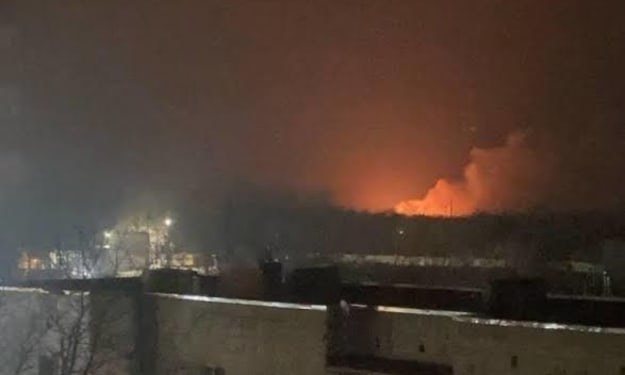
Repeated attacks raise concerns about security and supply disruptions in southern Russia A strategic oil storage facility in Tikhoretsk, southern Russia, was struck by drones for the second time in just four days, prompting heightened security measures and raising questions about the resilience of the country’s energy infrastructure. The repeated attacks come amid ongoing regional tensions and signal a growing threat to critical industrial assets in the area. Local authorities reported that the latest drone strike occurred in the early hours of the morning, targeting storage tanks at the depot used to hold crude oil and refined petroleum products. While no casualties have been officially reported, the strikes caused fires and smoke that were visible from several kilometers away, leading to temporary evacuation of nearby workers. Emergency response teams were deployed immediately to contain the fires and secure the facility. The first attack, which occurred just four days prior, had already raised alarms about the vulnerability of oil storage and transportation hubs in the region. That incident caused minor structural damage but was sufficient to disrupt local operations and delay shipments. The recurrence of a drone strike underscores both the evolving tactics of attackers and the difficulty of defending static infrastructure from aerial threats. Russian officials have condemned the attacks and vowed to investigate the incidents thoroughly. According to statements from the regional administration, authorities are reviewing security footage and coordinating with national intelligence agencies to identify the perpetrators. While no group has claimed responsibility, analysts suggest that these strikes may be part of a broader strategy to target energy infrastructure as leverage in regional conflicts. Oil depots like the one in Tikhoretsk are critical nodes in the energy supply chain. They serve as storage points for crude and refined products before distribution to domestic markets and, in some cases, export terminals. Any disruption can have cascading effects on supply, logistics, and pricing, both locally and in wider markets dependent on Russian oil. The attacks have sparked concern among energy analysts. “Repeated strikes on key storage facilities are not just a symbolic act,” said Elena Sorokina, an energy security expert. “They can seriously affect operations, slow down deliveries, and potentially raise insurance and security costs for the industry. It also shows the growing sophistication of unmanned aerial systems as weapons.” Security measures at Russian energy facilities have traditionally focused on perimeter defenses, surveillance cameras, and human monitoring. The emergence of drone-based attacks presents a different challenge, as small, low-flying drones can evade traditional detection systems and strike targets with precision. Authorities are reportedly evaluating counter-drone technologies, including radar, signal jamming, and rapid response units to neutralize aerial threats before they reach critical infrastructure. In addition to technical challenges, the psychological and operational impact of repeated drone strikes should not be underestimated. Workers at the depot and nearby facilities have expressed concern over personal safety, while local communities worry about potential fires, explosions, and environmental hazards resulting from oil storage damage. Energy companies operating in Russia face the difficult task of balancing operational continuity with enhanced safety measures. Some have temporarily rerouted shipments or adjusted storage protocols to minimize risk, while others are accelerating the implementation of drone detection and mitigation systems. The timing of these strikes also has geopolitical implications. Energy infrastructure in southern Russia is strategically important, not only for domestic supply but also for regional and international energy flows. Disruptions in production and transport can influence global oil prices, trade patterns, and investor confidence. Experts note that such attacks are likely to continue unless robust preventive measures are implemented. “This is a wake-up call for the industry,” said Sorokina. “Facilities need to adapt to a new operational environment where unmanned aerial threats are part of the risk landscape. Ignoring it could lead to more severe consequences down the line.” While authorities work to secure the Tikhoretsk depot and other key facilities, the incidents highlight the broader vulnerability of critical energy infrastructure worldwide. As drone technology becomes more accessible and sophisticated, governments and companies will need to invest in detection, defense, and rapid response systems to prevent similar attacks from crippling essential services. For now, emergency crews remain on high alert, monitoring the depot and surrounding areas. Authorities have reiterated that ensuring the safety of personnel and preventing environmental damage is a top priority. Meanwhile, the energy sector closely watches the situation, aware that repeated disruptions could ripple through regional and global markets. The back-to-back drone strikes in Tikhoretsk serve as a stark reminder of how emerging technology is reshaping security threats to vital infrastructure and the continuing need for vigilance in protecting the facilities that fuel the world’s economy.
By Fiaz Ahmed a day ago in Journal
UK Examines Options to Help Secure Key Oil Route Strait of Hormuz, Miliband Says. AI-Generated.
Britain signals readiness to work with allies to safeguard vital global shipping corridor amid rising regional tensions The United Kingdom is exploring a range of options to help secure the strategically critical Strait of Hormuz, according to comments from David Miliband, who stressed the importance of protecting global energy routes and ensuring stability in the Middle East. The Strait of Hormuz, a narrow passage between Iran and Oman, is one of the world’s most vital maritime chokepoints. Roughly a fifth of global oil consumption passes through the strait each day, making it essential for energy markets and international trade. Any disruption to shipping in the region could trigger spikes in oil prices and wider economic instability. Speaking during discussions on international security and energy supply, Miliband said Britain is assessing how it could support efforts to maintain safe passage for commercial vessels moving through the waterway. He emphasized that safeguarding maritime routes is a shared responsibility among global powers and regional partners. “We must work closely with allies and partners to ensure that critical trade routes remain open and secure,” Miliband said, noting that instability in the Gulf region has consequences far beyond the Middle East. “The security of energy supplies is directly linked to global economic stability.” Recent incidents involving commercial shipping and military activity have raised concerns about the safety of vessels transiting the area. Several tankers have reported electronic interference, suspicious drone activity and increased military patrols, heightening fears of potential escalation. Officials in United Kingdom say they are reviewing diplomatic, logistical and security measures that could strengthen maritime protection without further inflaming tensions. Options under consideration include increased naval cooperation with allies, enhanced surveillance operations and closer intelligence sharing with regional partners. The British government has historically played a role in maritime security in the Gulf. The Royal Navy maintains a regular presence in the region, operating patrol vessels and participating in multinational missions aimed at protecting shipping lanes. Britain has previously joined coalition efforts led by the United States to monitor and deter threats to commercial shipping in the area. These initiatives typically involve escort operations, aerial reconnaissance and coordination between naval forces from multiple countries. The Strait of Hormuz has long been a flashpoint in regional geopolitics. Tensions between Iran and Western nations have periodically raised fears that shipping through the corridor could be disrupted. Iranian officials have occasionally warned that the strait could be closed in response to economic sanctions or military pressure. Energy analysts say even the perception of instability in the waterway can have a significant impact on global markets. Oil exporters in the Gulf—including Saudi Arabia, Kuwait and the United Arab Emirates—rely heavily on the route to transport crude oil and liquefied natural gas to customers in Europe and Asia. Because of its strategic importance, the waterway has become a focus of international naval activity. Several Western and regional navies maintain patrols in the surrounding waters, seeking to deter attacks on tankers and other commercial vessels. Miliband noted that any effort to increase maritime security must be coordinated carefully with regional governments to avoid misunderstandings. “Security in such a sensitive area requires cooperation, transparency and clear communication between all parties involved,” he said. Experts believe the UK’s review is partly aimed at preparing contingency plans in case tensions escalate further. The government is expected to consult closely with NATO allies and Gulf partners before deciding on any expanded role. Some analysts argue that strengthening diplomatic engagement with regional powers could be just as important as military measures. Negotiations aimed at reducing tensions between Iran and Western nations have historically helped lower the risk of confrontation in the Gulf. Still, shipping companies and insurers remain wary. Several maritime firms have begun reviewing risk assessments for voyages through the strait, while insurers have warned that premiums could rise if security conditions deteriorate. Energy markets are also watching developments closely. Even short disruptions in the Strait of Hormuz could send global oil prices higher, affecting economies far from the Middle East. For Britain, the issue reflects broader concerns about protecting global trade routes in an era of geopolitical uncertainty. As one of the world’s largest maritime trading nations, the UK has a strong interest in ensuring that vital shipping corridors remain open. Miliband concluded that maintaining stability in the Gulf is essential not only for regional peace but also for the health of the global economy. “The safe flow of energy and commerce through the Strait of Hormuz is a matter of international importance,” he said. “Working together with partners is the best way to protect it.”
By Fiaz Ahmed a day ago in The Swamp
Relief and Pride as Agonising Wales Wait for Win Ends. AI-Generated.
Players and supporters celebrate long-awaited victory as team overcomes months of frustration After months of disappointment and painful near misses, relief finally swept through Welsh rugby as the national team secured a long-awaited victory that ended one of the most difficult stretches in recent memory. The win not only lifted spirits within the squad but also restored pride among supporters who had remained loyal despite a series of setbacks. For much of the past year, the team representing Wales had struggled to find consistency on the field. Defeats had piled up, criticism had grown louder, and questions about confidence and direction began to dominate conversations surrounding Welsh rugby. Each match seemed to carry the weight of expectation, making the wait for a victory feel even longer. When the final whistle blew in the latest test match, however, the atmosphere changed instantly. Players embraced one another, coaches smiled with visible relief, and thousands of supporters in the stands celebrated a moment that had been a long time coming. It was not simply another win in the record books—it was the end of a difficult chapter. For the players, the victory represented proof that their determination had not been misplaced. Throughout the losing streak, members of the squad had repeatedly insisted that belief remained strong inside the dressing room, even if results suggested otherwise. Training sessions had remained intense, and the coaching staff had continued to emphasize patience and resilience. That resilience was finally rewarded. The team delivered one of its most disciplined performances in months, showing greater control in attack and far more confidence in defense. Passes were sharper, decisions were quicker, and the players appeared freer once the pressure of the long winless run began to fade. Much of the focus inevitably fell on the role of the Wales national rugby union team, whose proud history has often set high expectations among fans. Welsh rugby supporters are known for their passionate backing, and while frustration had grown during the difficult run, the loyalty of the crowd never disappeared. Many fans described the victory as a moment of collective relief. In pubs across Cardiff and in living rooms around the country, supporters celebrated the result as though it were a major championship win. For them, it represented not only the end of the losing streak but also the return of hope for the future. Welsh rugby holds a special place in the nation’s sporting culture. The sport has long been a source of national pride, producing memorable victories and legendary players who helped shape the identity of the game in Europe. Periods of struggle are not unusual in international sport, but when they occur in a country where rugby is so deeply woven into the culture, they can feel particularly intense. The team’s recent difficulties had sparked debate about tactics, player development and the challenges of competing at the highest level of international rugby. Yet many former players and analysts urged patience, pointing out that rebuilding phases are often necessary to develop the next generation of talent. The breakthrough victory suggested that progress may finally be taking shape. Younger players stepped forward with impressive performances, while experienced members of the squad provided leadership when it mattered most. The blend of youth and experience helped create a balanced performance that had often been missing in previous matches. Equally significant was the mental shift visible during the game. Rather than appearing anxious about protecting a lead, the players maintained composure and confidence in the closing stages. That calmness proved crucial as they held off a late surge from their opponents to secure the result. Coaches later praised the players for refusing to give up during the difficult months. According to staff members, the team had worked tirelessly behind the scenes to correct mistakes and rebuild confidence. Fitness programs were intensified, tactical plans were refined, and leadership within the squad was strengthened. The emotional scenes at the end of the match reflected how much the moment meant. Several players spoke about the pride of representing Wales and the determination to repay the faith of supporters who had stood by the team throughout the challenging period. While one victory does not erase the lessons learned during the losing streak, it does provide a crucial foundation for rebuilding momentum. Confidence is often one of the most powerful forces in sport, and the players now hope that the breakthrough result will help spark a stronger run of performances. Looking ahead, the team remains focused on improving consistency and continuing to develop emerging talent. Coaches believe that the resilience shown during the difficult stretch may ultimately make the squad stronger and more united. For Welsh supporters, however, the immediate feeling is simply relief mixed with pride. After months of waiting, the sound of celebration has finally returned, reminding everyone involved why the passion for rugby in Wales remains as strong as ever.
By Fiaz Ahmed a day ago in Unbalanced
War Has Grounded High-Flying Gulf Airlines Like Emirates. AI-Generated.
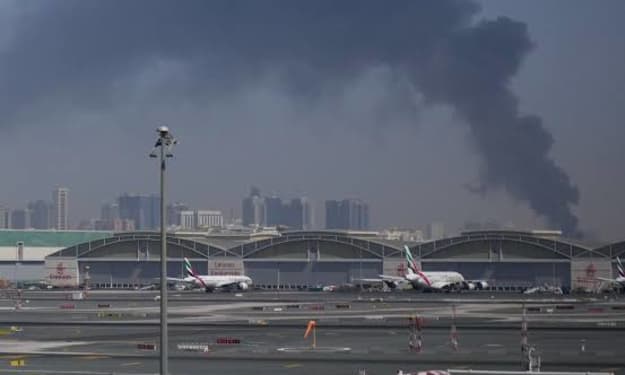
Regional conflict and airspace closures disrupt one of the world’s fastest-growing aviation hubs For decades, airlines based in the Gulf built a reputation for connecting the world. With their vast networks, modern fleets and ambitious expansion plans, carriers such as Emirates became symbols of the Middle East’s transformation into a global aviation crossroads. But growing regional conflict and security concerns are now forcing these high-flying airlines to confront an unfamiliar challenge: grounded routes, disrupted schedules and rising uncertainty. The Gulf aviation industry has long thrived because of its strategic geography. Positioned between Europe, Asia and Africa, airlines operating from hubs like Dubai and Doha built business models around connecting passengers across continents with minimal travel time. This system relies heavily on stable airspace corridors across the Middle East. When conflict intensifies in the region, however, those corridors can quickly become restricted or unsafe. In recent months, airlines have had to navigate a patchwork of closed or risky airspaces stretching across several countries, forcing them to reroute flights or suspend certain destinations entirely. For major carriers such as Qatar Airways and Etihad Airways, the impact has been immediate. Flights that once followed direct routes are now required to take longer detours to avoid conflict zones, adding hours to journey times and increasing fuel costs. In some cases, airlines have temporarily halted services to destinations considered too risky. The effects are particularly significant for Emirates, which operates one of the largest international networks in the world. The airline’s hub at Dubai International Airport has historically handled tens of millions of passengers each year, acting as a gateway between East and West. But disruptions to regional airspace threaten the efficiency of that model. Airspace closures are among the most serious challenges airlines can face. When military operations intensify or missile threats increase, aviation regulators often issue warnings or outright bans on civilian flights through affected areas. Airlines must respond quickly to protect passengers and crews while maintaining operational reliability. For carriers in the Gulf, this often means redesigning entire route networks overnight. Flights traveling between Europe and Asia may need to avoid certain corridors over countries experiencing conflict, forcing aircraft to fly longer paths over the Mediterranean, Central Asia or the Indian Ocean. The consequences ripple throughout the aviation industry. Longer routes mean higher fuel consumption, increased operating costs and reduced aircraft availability. Delays can spread across airline schedules, affecting connections for passengers traveling through major hubs. Industry analysts say the situation underscores how vulnerable global aviation remains to geopolitical tensions. The Middle East has historically been both a vital transit region and a frequent source of instability, making airlines particularly sensitive to security developments. Airlines have invested heavily in technology and planning to manage such risks. Advanced flight-planning systems allow carriers to evaluate safe routes in real time, taking into account security advisories issued by aviation authorities and governments. Even so, sudden escalations can leave little time for preparation. For passengers, the disruptions can mean longer travel times and occasional cancellations. While airlines try to minimize inconvenience, safety considerations always take priority when deciding whether to operate flights through potentially dangerous areas. The broader economic impact may also be significant. Gulf airlines are central to tourism and business travel in the region, bringing millions of visitors to cities such as Dubai and Abu Dhabi every year. If prolonged instability affects flight connectivity, it could influence tourism flows and commercial activity. Governments across the Gulf have closely monitored the situation, emphasizing the importance of maintaining aviation safety while preserving the region’s role as a global transportation hub. Investments in airport infrastructure and airline fleets over the past two decades have transformed the Gulf into one of the most dynamic aviation markets in the world. Despite the current challenges, aviation experts believe the region’s airlines remain well positioned to recover once tensions ease. Gulf carriers have historically demonstrated resilience, adapting quickly to economic downturns, pandemics and geopolitical shocks. Executives at several airlines have also emphasized that global demand for air travel remains strong. As long as international travel continues to grow, major transit hubs in the Gulf are expected to remain important gateways connecting continents. For now, however, the industry must navigate a complex and unpredictable environment. Each new development in regional conflicts can influence flight routes, insurance costs and operational planning. The experience serves as a reminder that even the most sophisticated aviation networks depend on stability in the skies above them. For airlines like Emirates, whose success has been built on seamless global connectivity, maintaining that stability is more important than ever. As long as conflict continues to reshape airspace across parts of the Middle East, the world’s most ambitious aviation hubs will face the challenge of keeping their aircraft—and their passengers—safely in the air.
By Fiaz Ahmed a day ago in The Swamp
Indian warships on standby near Persian Gulf for merchant vessels. AI-Generated.
Indian Warships on Standby Near Persian Gulf for Merchant Vessels New Delhi deploys naval assets as tensions rise in West Asia, ensuring safe passage for maritime trade Several Indian Navy warships have been deployed near the Persian Gulf and Strait of Hormuz, remaining on standby to assist merchant vessels — especially those bound for India — amid the ongoing war in West Asia that has disrupted commercial sea lanes and heightened regional security risks. The deployment reflects New Delhi’s growing efforts to safeguard its maritime trade routes and protect Indian seafarers during a period of escalating conflict. Why Indian Warships Are in the Region With the Middle East at the centre of a widening conflict involving Iran, the United States, and Israel, strategic chokepoints like the Strait of Hormuz — through which a significant share of global oil and liquefied gas supplies transit — have become areas of intense diplomatic and military focus. In this environment, Indian authorities have kept naval vessels near the Gulf to support and monitor merchant ships navigating these waters. Officials said the warships are being kept on standby to assist merchant vessels coming towards India, responding to potential calls for help, providing situational awareness, and reassuring India‑bound cargo owners and crews amid heightened risks. This naval presence is part of Operation Sankalp, a longer‑running mission under which Indian warships have patrolled the Gulf of Oman and Gulf of Aden — and now the wider Persian Gulf region — to ensure maritime safety and respond to potential threats or emergencies affecting commercial shipping. Safe Passage Through the Strait of Hormuz Despite tensions, several Indian‑flagged vessels have made headway. Two Indian LPG carriers, Shivalik and Nanda Devi, have been granted passage through the Strait of Hormuz and are en route to Indian ports, carrying critical energy supplies. These successful transits underscore the importance of safe shipping corridors for India’s economic interests. However, many other India‑flagged vessels remain in the region, with the government actively negotiating and coordinating with regional partners to secure safe movement and, if necessary, naval support or escorts. Recent diplomatic engagements reflect India’s effort to coordinate with Iran, Gulf Cooperation Council states, and Western powers to keep trade routes open. Protecting Indian Seafarers and Commerce The maritime deployment also responds to growing concerns for the safety of Indian seafarers working aboard ships in the Persian Gulf. According to a Reuters report, thousands of Indian sailors are currently in the region, with some stranded and caught between the escalation of hostilities and restrictions on commercial travel and shipping. These crews face increased anxiety as airspace and waters remain tense. India has been clear that the naval presence is aimed at ensuring the safe passage of merchant vessels, providing operational support if needed, and maintaining vigilance in a highly volatile maritime environment — not to contribute to combat. The Indian Navy regularly conducts patrols, surveillance and escort missions to deter threats and monitor hazardous situations. Strategic Importance of the Deployment The Strait of Hormuz remains one of the world’s most critical maritime chokepoints, accounting for a large portion of oil and gas transit worldwide. Disruption here affects global energy markets and economic stability, making international attention to naval deployments all the more significant. India, heavily dependent on imports for energy and trade, has a vested interest in keeping these routes secure. Deploying warships in such locations also serves as a deterrent to potential threats — from state actors to non‑state groups — that might target commercial vessels or disrupt shipping in response to regional tensions. The presence of naval assets aims to reassure both Indian and international shipping operators that maritime safety remains a priority. Naval Cooperation and Regional Dynamics India’s naval deployments complement diplomatic efforts to maintain open seas and safe navigation. In recent weeks, New Delhi has communicated with key stakeholders to facilitate safe passage and protect Indian nationals and seafarers. This includes regular contact with Gulf nations, Iran, and allied countries seeking to reduce maritime risks amid broader geopolitical challenges. Furthermore, Indian warships have been involved in maritime security operations elsewhere in the region for years, including anti‑piracy missions in the Gulf of Aden and Arabian Sea. These longstanding efforts bolster India’s ability to respond effectively to evolving security needs in the Gulf. What Comes Next As the West Asia conflict continues, India’s maritime posture is expected to adapt, balancing diplomacy, commercial interests and security imperatives. Authorities have stressed that naval forces will remain vigilant while working through diplomatic channels to ensure Indian and allied vessels can traverse critical sea lanes without undue risk. In a time of heightened tension, India’s naval presence near the Persian Gulf signals both a commitment to maritime security and a proactive stance in safeguarding its economic and strategic interests. Continued monitoring and cooperation with international partners will be essential as the situation evolves.
By Fiaz Ahmed a day ago in The Swamp
Kuwait Says Drones Struck Airport’s Radar System. AI-Generated.
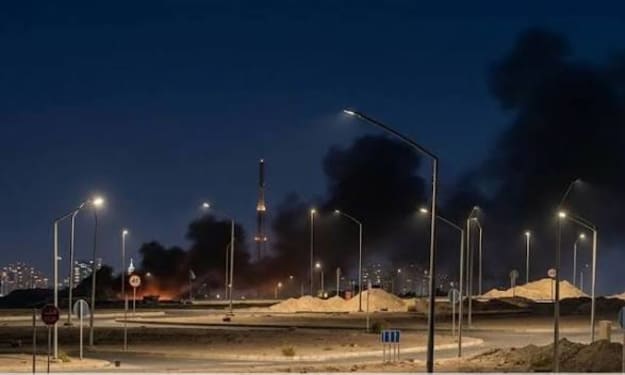
Drone attack damages key air traffic infrastructure as regional tensions escalate In a significant development on Day 16 of the Middle East crisis, Kuwait’s Public Authority for Civil Aviation confirmed that multiple unmanned aerial vehicles (UAVs) struck the radar system at Kuwait International Airport late Saturday evening, causing damage to critical air traffic control infrastructure but — crucially — resulting in no reported human casualties. The strike — part of a wider pattern of drone and missile activity across the Gulf in recent weeks — represents an escalation of hostilities that have complicated life in one of the world’s most strategically important regions. Details of the Attack According to the civil aviation authority’s statement released on Sunday, several drones approached Kuwait International Airport — one of the busiest hubs in the Gulf — and struck its radar infrastructure, a core component used to monitor and guide aircraft movements. Kuwaiti officials said the incident activated emergency safety procedures put in place earlier in the crisis, and all civil aviation operations were managed according to established protocols. Spokesperson Abdullah Al‑Rajhi reiterated that no injuries were reported, and authorities are continuing to assess the full extent of the damage. The airport’s runway and passenger terminals were not specifically reported as hit in this latest incident, but the radar damage poses serious challenges for maintaining normal flight operations. The Kuwaiti military separately confirmed that its air‑defense systems engaged “hostile missile and drone attacks” in connection with the incident, with explosions heard in Kuwait City likely due to interception operations rather than direct strikes on the capital itself. Regional Context: Escalating Drone Activity The drone attack on Kuwait’s civil aviation infrastructure comes amid broader regional tensions linked to the ongoing war between the United States and Israel on one side and Iran on the other. Since late February, Iran has launched numerous drone and missile strikes targeting U.S. military installations and allied positions across the Middle East, triggering retaliatory actions and heightened alert levels in nearby countries. Kuwait — while a smaller Gulf state — finds itself geographically and politically close to major military players. It hosts significant foreign military logistics facilities and serves as a waypoint for regional commerce, making it vulnerable to spillover effects from the conflict. Previous drone and missile activity in and around Kuwait has included attacks on fuel storage and logistic hubs, as well as U.S. bases in the country. Even before this latest radar strike, Kuwait had experienced direct hits from Iranian drones earlier in the conflict, including strikes that damaged infrastructure and forced temporary closures or operational restrictions. Impact on Air Travel and Safety The radar systems at airports are essential for air traffic control, enabling controllers to track and guide aircraft both on the ground and in the skies. Damage to such systems can temporarily disrupt commercial flights, force diversions, or require temporary reliance on backup systems with limited capacity. Travel analysts and airline officials have warned that the Gulf region’s escalating security risks already heightened passenger anxiety and complicated scheduling, particularly as neighboring hubs — such as Doha, Bahrain, and the United Arab Emirates — have faced their own disruptions. Kuwait International Airport serves not only domestic and regional flyers but also millions of international passengers annually. Any prolonged downtime of radar systems could significantly affect global flight routes connecting Asia, Europe and Africa via the Gulf. Airlines may need to adjust operations, re‑route flights, or temporarily rely on backup facilities while the damage is repaired. Government and Security Response In their official statements, Kuwaiti authorities underscored that existing emergency plans and civil aviation safety measures were activated immediately following the attack. These protocols, introduced early in the regional crisis, aim to ensure passenger and crew safety, maintain airspace order, and mitigate risks to civilian infrastructure. Kuwait’s defense leadership also emphasized that its integrated air‑defense network — coordinating radar systems, interceptor units and allied support — successfully responded to hostile aerial threats in the region. The military’s statement suggested that sounds heard by residents in Kuwait City likely came from interception efforts against incoming drones or missiles yet to be publicly detailed. Officials have not publicly identified the party responsible for the drones that hit the radar system, and as of Sunday, no group had claimed responsibility. Given the complex web of alliances and hostilities in the Middle East, attribution remains sensitive and could carry diplomatic implications if officially confirmed. However, the strike is consistent with the pattern of Iranian‑linked UAV activities reported across the Gulf, often in retaliation against foreign military targets. Look Ahead As the Middle East crisis continues to unfold, the security of critical transport infrastructure — particularly airports — remains a priority for governments, airline operators, and international aviation agencies. Remaining civilian travel, defense collaborations and emergency preparedness will shape the next chapter of regional resilience and response.
By Fiaz Ahmed a day ago in The Swamp
No Money Left”: International Students Live in Poverty. AI-Generated.
When 21‑year‑old Alipriya Biswas arrived in Melbourne to begin her journalism degree, she anticipated the long nights, the lectures and the friendships. She did not expect to run out of money so quickly. With only AUD 200 ($130) a week — the minimum living cost requirement for her student visa — Biswas soon found that “there was literally no money left” for essentials beyond the bare basics. For nearly a year she lived on rice, tinned tuna and little else, cutting back wherever possible to keep a roof over her head while juggling study and low‑paid work. Biswas’s story is far from unique. Across high‑income host countries including Australia, the UK, Canada and Ireland, increasing numbers of international students are confronting a stark reality: the financial buffers they were expected to rely on before departure have proven insufficient, leaving them struggling with poverty, food insecurity, and housing distress. The Hidden Reality of Student Poverty Though international education is promoted globally as an opportunity for mobility and future prosperity, recent research and media reports reveal a more complex picture. Many students arrive with savings — often provided through family sacrifice — that fail to stretch in the face of high living costs, restricted work rights and rising rent. In Australia, students are limited to working 48 hours per fortnight during study periods, complicating efforts to supplement meagre savings. Experts caution that many international students find themselves in “highly precarious financial and living situations,” often unaware of how much harder it will be to meet everyday costs compared with their home countries. One study conducted post‑pandemic found nearly half of international students surveyed in Melbourne experienced food insecurity, a level significantly higher than the general population. Monash University In Europe, support organisations have reported increasing numbers of students turning to food banks and community kitchens, sometimes queuing daily for basic meals as they struggle to afford groceries. In Ireland, student support groups have documented cases of overseas learners experiencing “hunger, homelessness, depression and destitution” because the official recommended living income was far too low compared with actual rent and food costs. Work, Study and the Stress of Survival Students often take up multiple casual jobs, working in hospitality, retail or delivery services — roles characterised by low pay, irregular hours and little job security. Even working near the legal maximum still doesn’t guarantee enough income to meet rising rental costs or basic expenses like transport and utilities. One student from China studying at an Australian university said she lived on instant noodles and fast food until she managed to secure part‑time work, underscoring how menial such jobs can be — and how little they actually contribute to financial stability. The strain of balancing work and academics takes a heavy toll. Researchers note high levels of stress, anxiety and sleep disruption among students who must constantly juggle coursework and survival needs. For many, the pressure of maintaining visas, paying tuition, and avoiding academic failure while barely making ends meet creates an emotional burden comparable to the financial one. A Systemic Challenge, Not an Individual Failure Advocates argue that these problems are structural. Unlike domestic students in many countries, international students are often excluded from government welfare support or are required to prove large sums upfront before arriving. This regulatory framework, combined with rapidly rising living costs that far outpace wages and scholarship funding, means that even students from middle‑income backgrounds can find themselves living on the brink. Russell Group Students' Unions In the UK, campaigners argue that international students are treated as “cash cows” — welcomed for the revenue they bring but given minimal support once they arrive. Tuition fees, visa charges, and health surcharges have all increased sharply in recent years, widening the gap between expected and actual living expenses. Russell Group Students' Unions What Needs to Change Many experts and student organisations are calling for policy reforms to ensure financial stability for international students. Suggestions include aligning student work rights with realistic living costs, improving access to affordable housing, expanding emergency hardship funds, and increasing transparent pre‑arrival information about the true costs of living abroad. Until such changes are made, stories like Biswas’s — living on the edge of poverty while studying abroad — will remain all too common, illuminating a global education system that often fails the very students it promises opportunity. If you’d like, I can provide a fully formatted PDF version of this article or a version tailored to a specific country (e.g., UK, Australia or Canada) with quotes, stats and interviews.
By Fiaz Ahmed a day ago in Education