Latest Stories
Most recently published stories in The Swamp.
European leaders reject military involvement in Strait of Hormuz. AI-Generated.
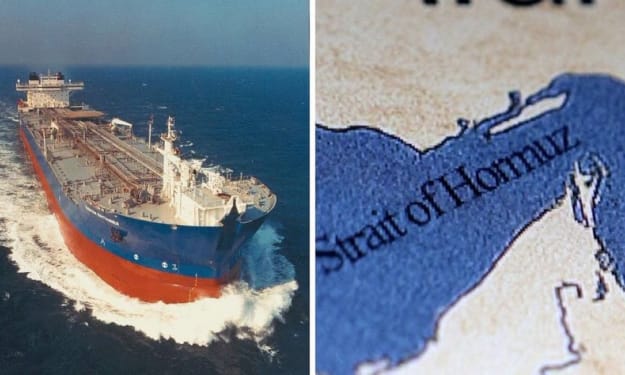
Several European leaders have rejected calls for direct military involvement in the increasingly tense waters of the Strait of Hormuz, signaling a cautious approach as global powers grapple with security threats to one of the world's most vital oil transit corridors. The narrow waterway between Iran and Oman is responsible for transporting nearly a fifth of the world's crude oil supply. In recent weeks, a series of maritime incidents, drone sightings, and political warnings have heightened fears that the strategic passage could become the center of a wider regional conflict. Despite growing pressure from some allies to increase military patrols, leaders across Europe have emphasized diplomacy and de-escalation rather than deploying additional warships or joining combat operations. Calls for Restraint Officials from European Union member states met in Brussels to discuss the situation and coordinate their response. While acknowledging the importance of safeguarding global energy routes, many leaders expressed concern that a military buildup could further destabilize the already fragile security environment in the Gulf. Emmanuel Macron, president of France, stated that Europe should prioritize diplomatic channels over confrontation. He warned that additional military deployments could “increase misunderstandings and risks of accidental escalation.” Similarly, Olaf Scholz of Germany argued that Europe must avoid actions that could be interpreted as direct participation in a regional conflict. According to officials familiar with discussions in Berlin, the German government is focused on protecting commercial shipping through coordination and intelligence sharing rather than combat operations. European leaders emphasized that the stability of global trade routes remains a priority, but they also stressed the importance of avoiding steps that might inflame tensions with Iran. Pressure From Allies The cautious stance contrasts with stronger calls for action from some international partners, including officials in United States, who have suggested that allied navies could play a larger role in protecting tankers traveling through the Gulf. Washington has previously organized multinational maritime security initiatives to escort commercial vessels through the strait. However, European governments remain divided over whether such measures would deter threats or instead provoke further confrontation. Security analysts say Europe’s reluctance reflects broader concerns about becoming entangled in conflicts that could spread across the Middle East. “European capitals are wary of repeating past mistakes where limited security missions gradually evolved into larger military commitments,” said one regional analyst based in Brussels. Economic Stakes The stakes surrounding the Strait of Hormuz are enormous. The passage serves as the primary export route for oil producers including Saudi Arabia, Kuwait, Iraq, and United Arab Emirates. Any disruption to tanker traffic could quickly push global energy prices higher, placing additional pressure on economies already struggling with inflation and supply chain challenges. European nations are particularly sensitive to energy security after the disruptions caused by the war in Ukraine. Governments across the continent have spent years diversifying their energy supplies following the breakdown of relations with Russia. Because of that experience, policymakers are eager to avoid another crisis that could threaten energy imports. “Europe cannot afford a second major shock to global energy markets,” one EU diplomat said. Diplomatic Efforts Intensify Rather than sending additional military forces, European leaders are focusing on diplomatic engagement with regional governments. Officials from the European Union have reportedly increased communication with authorities in Tehran and Gulf capitals, urging restraint and emphasizing the need to protect commercial shipping without escalating military confrontation. European diplomats are also encouraging broader dialogue aimed at reducing tensions between Iran and Western powers. While no formal negotiations have been announced, officials say back-channel discussions are continuing. Divisions Within Europe Although most European leaders agree on avoiding direct military involvement, there are still differences in how to address the crisis. Some governments support limited naval monitoring missions designed purely for surveillance and escort purposes. Others worry that even a defensive presence could be interpreted as taking sides. Countries with large shipping industries, including Greece and Italy, have expressed particular concern about the safety of commercial vessels passing through the strait. At the same time, several northern European nations argue that diplomacy and international law should remain the primary tools for managing the situation. A Fragile Balance For now, Europe’s approach reflects a delicate balancing act—acknowledging the importance of protecting global trade while avoiding a military escalation in one of the world’s most volatile regions. Analysts say the coming weeks will be critical. Any further attacks on ships or energy infrastructure could force governments to reconsider their position. Yet European leaders remain hopeful that restraint and diplomacy can prevent the crisis from spiraling into a wider conflict. As tensions persist around the Strait of Hormuz, the choices made by international powers will likely determine whether the vital waterway remains a conduit for global trade—or becomes the flashpoint of a new geopolitical confrontation
By Fiaz Ahmed about an hour ago in The Swamp
Pro-Palestine protester Leqaa Kordia freed from US immigration detention. AI-Generated.
A Palestinian activist who became a symbol of pro-Palestine demonstrations in the United States has been released from immigration detention, a decision that has reignited national debate about civil liberties, immigration enforcement, and the boundaries of political protest. Leqaa Kordia, a 30-year-old Palestinian activist who had been held in federal immigration custody for several weeks, was freed after an immigration judge granted her release pending further legal proceedings. Her detention had drawn criticism from civil rights groups and pro-Palestine organizations, who argued that she was being punished for participating in political demonstrations related to the conflict in Gaza. Kordia’s supporters welcomed the ruling as a victory for free expression, while critics argued that immigration authorities had acted within the law when detaining her. Arrest Following Protest Activity Kordia was detained earlier this year by officers from U.S. Immigration and Customs Enforcement (ICE) after participating in a series of pro-Palestine demonstrations in several American cities. The protests were organized in response to escalating violence in Gaza and drew thousands of participants across the country. Authorities said the detention was related to her immigration status and not directly tied to her protest activities. Officials stated that Kordia had allegedly violated terms associated with her residency status, which prompted ICE to take her into custody. However, civil liberties groups quickly raised concerns, arguing that the timing of her detention suggested a link between her activism and enforcement action. Organizations including the American Civil Liberties Union and several Palestinian-American advocacy groups called for her immediate release, saying the case risked creating a chilling effect on political participation among immigrants and international students. Growing Campaign for Her Release Following news of Kordia’s detention, a nationwide campaign emerged demanding her release. Activists organized rallies outside federal buildings and immigration courts in cities including New York City and Washington, D.C.. Protesters argued that detaining a demonstrator while political tensions around the Gaza conflict were already high could undermine democratic freedoms. Social media campaigns using her name gained traction, with supporters portraying her as an example of how immigration enforcement can intersect with political activism. Several lawmakers also weighed in on the case, urging federal authorities to ensure that constitutional rights were protected regardless of immigration status. Court Decision and Release During a hearing before an immigration judge, Kordia’s legal team argued that she posed no flight risk and should be allowed to continue her case outside detention. They also stressed her community ties, academic background, and lack of criminal history. The judge ultimately ruled that Kordia could be released under supervision while her immigration case continues. According to court documents, she must comply with certain reporting requirements and remain available for future hearings. Her lawyers described the decision as a critical step toward restoring her freedom and allowing her to continue advocating peacefully for Palestinian rights. After leaving detention, Kordia thanked supporters and reiterated her commitment to peaceful activism. “I believe in the right of people everywhere to speak out against injustice,” she said in a brief statement after her release. “I am grateful to everyone who stood by me during this difficult time.” Broader Political Context Kordia’s case unfolded against the backdrop of heightened political tensions in the United States related to the war between Israel and Hamas. Since the outbreak of the conflict, universities, city centers, and public squares across the country have witnessed waves of protests both supporting Israel and advocating for Palestinian rights. Supporters of pro-Palestine demonstrations argue that activism plays an essential role in drawing attention to humanitarian concerns in Gaza. Critics, however, say some protests have crossed the line into disruptive or inflammatory behavior. Federal officials have repeatedly emphasized that immigration enforcement decisions are based on legal criteria rather than political views. Yet legal scholars note that cases like Kordia’s often become flashpoints because they sit at the intersection of immigration law, civil liberties, and international politics. Reactions From Advocacy Groups Civil rights organizations praised the court’s decision to release Kordia but said the case highlights deeper concerns about how immigration law can affect activists. The American Civil Liberties Union said in a statement that the release was “a positive step,” while also calling for clearer protections for immigrant protesters. Meanwhile, pro-Palestinian advocacy groups framed the outcome as proof that public pressure can influence legal outcomes. They credited demonstrations, petitions, and social media campaigns for keeping the issue in the spotlight. Some conservative commentators, however, argued that immigration authorities should maintain strict enforcement regardless of political considerations. What Happens Next Although Kordia has been released, her legal battle is far from over. Her immigration case will continue in court, where a judge will determine whether she can remain in the United States or face potential removal. Legal experts say such proceedings can take months or even years, depending on appeals and administrative reviews. For now, supporters say her release allows her to return to her community and resume her daily life while continuing to advocate for Palestinian rights. As debates over immigration policy and protest freedoms continue in the United States, Kordia’s case is likely to remain a powerful example of how activism, politics, and the law can collide in unexpected ways.
By Fiaz Ahmed about an hour ago in The Swamp
The Strait of Hormuz
Introduction The Strait of Hormuz is one of the most important maritime passages in the world. It connects the Persian Gulf to the Gulf of Oman and eventually the Arabian Sea. Because it is the main route for oil exports from the Gulf region, millions of barrels of oil pass through it every day. This makes the strait a vital artery for global energy supplies and international trade.
By shaoor afridiabout 5 hours ago in The Swamp