how to
How to do just about anything; life hacks to navigate obstacles of all types, from the trivial to the severe.
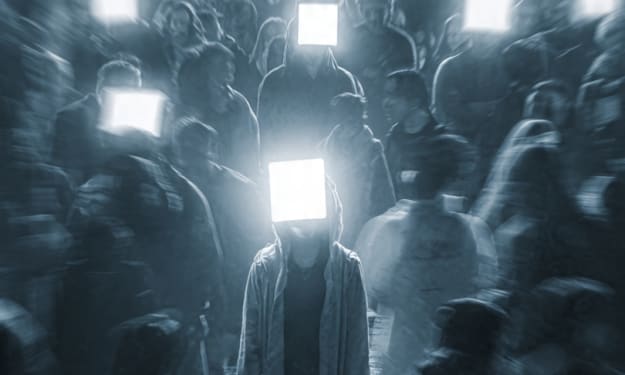
I Deleted Social Media for 30 Days — Something Strange Happened”
I didn’t delete social media because I was strong. I deleted it because I was tired of feeling small. It wasn’t dramatic. No big announcement. No “digital detox” post for attention. Just a quiet Sunday night, my thumb hovering over the apps that had become muscle memory. Instagram. TikTok. Snapchat. Delete. Delete. Delete. Thirty days, I told myself. Just thirty days. The first morning felt wrong. I woke up and reached for my phone before my eyes were fully open. My thumb searched for colors that weren’t there. For a second, I felt panic — like I had lost something important. But there were no notifications. No red dots waiting for me. Just my lock screen staring back, silent. The silence was louder than I expected. The first week was the hardest. I didn’t realize how often I escaped into scrolling. Five minutes turned into an hour without noticing. Every small pause in my day used to be filled instantly — standing in line, sitting in the car, even brushing my teeth. Without social media, those moments stretched longer. Uncomfortable. Exposed. I felt bored. But underneath boredom was something else. Restlessness. I kept wondering what I was missing. What jokes were trending. Who posted what. Whether someone was thinking about me. It felt like I had stepped out of a room where everyone else was still laughing together. The strange thing is, after about ten days, something shifted. My thoughts got louder. Not in a scary way. Just… clearer. Without constant input, my brain didn’t know what to do at first. It tried to replay old conversations. Embarrassing memories. Things I said years ago. It was like my mind had been waiting for quiet to finally speak. And that’s when it happened. I started noticing how often I compared myself. Not because I saw someone else’s highlight reel — but because the habit was still inside me. Even without the apps, my brain automatically imagined what other people were doing. Who was ahead. Who was succeeding. Who was happier. It was like social media had moved into my head. That realization scared me. Deleting the apps didn’t delete the mindset. It just removed the distraction. By week two, the comparison slowly softened. I stopped thinking about what others were posting because I genuinely didn’t know. The invisible race I thought I was running began to feel… optional. Time started behaving differently. Evenings felt longer. I finished tasks faster. I read pages without reaching for my phone every few minutes. I noticed small things — the way light changed in my room at sunset, the sound of my own breathing when everything was quiet. It sounds simple. But it felt strange. One night, I sat alone without music, without a screen, just thinking. I realized I couldn’t remember the last time I had done that without feeling anxious. I expected loneliness. Instead, I felt something closer to relief. But the strangest thing wasn’t the quiet. It was how people reacted. Some friends didn’t notice at all. Some thought I was upset with them. A few said, “I wish I could do that,” like it was some extreme challenge instead of a small decision. It made me realize how deeply connected we all are to being visible. Without posting, I felt invisible at first. Like I had disappeared from the world. But after a while, I began to question something uncomfortable: Was I living for experiences — or for documenting them? There were moments during those thirty days when I instinctively wanted to take a picture. Not because the moment was beautiful, but because it would look beautiful online. When I couldn’t post it, something interesting happened. The moment stayed mine. No angle. No caption. No waiting for likes. Just me experiencing it. And that felt… different. Cleaner. By week three, my mood felt more stable. Fewer emotional spikes. Less subconscious pressure. I wasn’t constantly reacting to other people’s lives. I wasn’t absorbing hundreds of opinions before breakfast. My mind felt like it had space again. But here’s the strange part no one talks about: I started feeling scared to go back. Not because social media is evil. Not because it ruins everything. But because I had tasted what my mind felt like without constant noise. I liked who I was becoming in the quiet. I slept better. I woke up slower. I wasn’t measuring my mornings by notifications anymore. I wasn’t thinking about how I looked, how I sounded, how I compared. I was just existing. And existing without performance felt foreign. On day thirty, I stared at the download button. I expected excitement. Instead, I felt hesitation. Would I lose this calm? Would I fall back into the same habits? I realized something important: the strange thing that happened wasn’t supernatural. It wasn’t dramatic. It wasn’t that my life changed completely. It was that I met myself again. The version of me that thinks slowly. That doesn’t need validation to feel real. That doesn’t constantly check if someone else is doing better. Deleting social media didn’t fix my insecurities. But it showed me which ones were truly mine — and which ones were borrowed. That was the strange part. The noise wasn’t just outside. It had been shaping me quietly for years. Thirty days didn’t make me perfect. I still compare. I still scroll sometimes. I still care. But now I know what silence feels like. And once you hear your own thoughts clearly, it’s hard to pretend you don’t. Maybe the real question isn’t what happens when you delete social media. Maybe it’s what you’ve been avoiding hearing all along.
By Faizan Malikabout a month ago in Lifehack
2026 Scam Trends Consumers Should Know
Consumer fraud has been increasing each year, and in 2026, it is expected to be more sophisticated and harder to spot. However, if you know the most common types of fraud and can recognize their warning signs, it can help you avoid falling victim. Below are the top five consumer scams to watch out for in 2026.
By Joanna Clark Simpsonabout a month ago in Lifehack
How to Deal With Rude Customers
Let me start by saying congratulations on your job! You’re probably excited but also a little nervous about dealing with customers. Don’t worry — anyone working in public-facing roles has to deal with difficult or impatient customers. It’s part of the job. But handling them doesn’t have to be stressful.
By Jakayla Toneyabout a month ago in Lifehack
Retaining Walls in Sydney: How to Plan, Choose Materials, and Avoid Costly Mistakes
Retaining walls look simple until they start leaning, cracking, or holding water where a garden bed should drain. In Sydney, slope, soil movement, and sudden downpours mean the “hidden” parts of a wall often matter more than the visible face.
By Adney Verscaabout a month ago in Lifehack
How Programmatic Advertising Enhances Precision in Digital Ad Targeting
Digital advertising has experienced a quick transformation in the last 10 years and has transformed into a far less general, more manual, and more data-driven approach to target the right audience at the right time. With the competition for consumer attention increasing, companies are exploring smarter alternatives to provide consumers with relevant messages without spending the budget. It is here that automation and data are central to the current advertising approaches.
By Jane Smithhabout a month ago in Lifehack
How to Be Self‑Obsessed (The Healthy Way) and Finally Feel Confident, Magnetic, and Unbothered
You know that fantasy where you wake up, stretch like a romcom heroine, and actually like yourself instead of immediately spiralling about your life, your face, and that one text you sent in 2019?
By Anie the Candid Mom Abroad2 months ago in Lifehack
When a House Needs More Than Repairs. AI-Generated.
There is a moment in every home when something begins to feel tired. It might be a kitchen cabinet that doesn’t close the way it used to. A bathroom tile that has cracked and been ignored for months. A draft that sneaks in each winter and reminds you that the walls are older than you realized. Houses age quietly. They don’t announce their wear. They simply absorb years of living — footsteps, arguments, laughter, spilled coffee, birthdays — until one day you notice that the space no longer reflects who you are now.
By House Doctor2 months ago in Lifehack
Between Departure and Return. AI-Generated.
In New Jersey, movement feels almost inevitable. The state’s location between major cities creates a constant flow of opportunity and ambition. People commute, relocate, upgrade, downsize, return. Movement is woven into the culture. Yet each personal move carries its own story, distinct from the highways and transit lines that crisscross the map.
By House Doctor2 months ago in Lifehack
The Weight of Leaving in New Jersey. AI-Generated.
There is something particular about leaving a place in New Jersye. It is not always dramatic. It does not always involve distance. Sometimes the move is only a few miles away, across a county line or closer to a train station. Yet even the shortest relocation here can feel substantial. New Jersey is compact in size but dense in identity. Every town seems to carry its own personality, its own rhythm, its own sense of pride.
By House Doctor2 months ago in Lifehack