photography
Geek photography, still images, animation, and shoots that reflect geeks' geekiest endeavors.
Venezuela. AI-Generated.
Venezuela is a country often mentioned in global headlines, yet rarely understood beyond them. Located on the northern coast of South America, Venezuela is a land of striking contrasts—rich natural beauty alongside economic hardship, deep cultural pride amid political complexity. To reduce Venezuela to a single narrative would be unfair. Its story is layered, emotional, and deeply human. A Land Blessed by Nature Venezuela is one of the most geographically diverse countries in the world. It is home to Angel Falls, the tallest waterfall on Earth, cascading nearly 3,200 feet from the ancient tabletop mountains known as tepuis. The country also boasts Caribbean coastlines, the vast plains of Los Llanos, dense Amazon rainforest, and snow-capped Andean peaks. This extraordinary biodiversity has long shaped Venezuelan identity. Nature is not just scenery—it is livelihood, inspiration, and pride. Fishing villages line the coast, cattle ranches stretch across the plains, and indigenous communities maintain ancestral ties to the land. Despite years of difficulty, these landscapes remain largely untouched, reminding the world of Venezuela’s immense ecological value. Oil Wealth and Its Complicated Legacy Venezuela sits atop one of the largest proven oil reserves on the planet. For much of the 20th century, oil wealth fueled economic growth, urban development, and social programs. Caracas once rivaled major global cities in modernization, and Venezuela became a symbol of prosperity in Latin America. However, heavy dependence on oil also made the country vulnerable. When global oil prices fell and mismanagement increased, the economy suffered deeply. Industries outside oil weakened, inflation soared, and basic goods became scarce. What was once a strength turned into a fragile foundation. Daily Life Amid Economic Struggles For ordinary Venezuelans, daily life has changed dramatically over the past decade. Hyperinflation reduced purchasing power, wages lost value, and access to essentials like medicine and reliable electricity became unpredictable. Millions chose to leave the country in search of stability, creating one of the largest migration movements in modern Latin American history. Yet, for those who stayed, resilience became a way of life. Families adapted through community support, informal economies, and creativity. Shared meals, neighborhood networks, and mutual aid filled gaps left by failing systems. Venezuelans learned to survive not because they were unbreakable, but because they had no choice. Culture That Refuses to Fade Despite hardship, Venezuelan culture remains vibrant. Music, food, and humor continue to thrive. Traditional dishes like arepas, pabellón criollo, and hallacas are more than meals—they are symbols of unity and memory. Even in difficult times, families gather around food, especially during holidays. Music plays a similar role. From joropo folk rhythms to salsa and modern pop, Venezuelan soundtracks echo in homes and streets. Laughter, often self-aware and sharp, has become a coping mechanism. Humor allows people to express pain without surrendering hope. Political Polarization and Public Trust Venezuela’s political landscape is complex and deeply polarized. Years of tension between government supporters and opposition groups have eroded trust in institutions. Elections, protests, sanctions, and international involvement have all contributed to a sense of uncertainty. For many citizens, politics feels distant from daily survival. While debates continue at national and international levels, ordinary people focus on securing food, education, and safety for their families. The disconnect between political discourse and lived reality is one of the country’s greatest challenges. Migration and the Venezuelan Diaspora Millions of Venezuelans now live abroad, particularly in Colombia, Peru, Chile, the United States, and Spain. This diaspora has reshaped families and identities. Parents work in one country while children remain in another. Video calls replace shared dinners, and remittances become lifelines. At the same time, Venezuelans abroad carry their culture with them. Restaurants, festivals, and online communities help preserve a sense of belonging. For many, leaving was not an abandonment of homeland, but an act of survival with the hope of return. Signs of Adaptation and Quiet Hope In recent years, small signs of adaptation have appeared. Informal businesses, digital freelancing, and limited economic adjustments have created pockets of opportunity. While challenges remain immense, Venezuelans continue to innovate quietly. Hope in Venezuela is rarely loud. It exists in small victories: a child completing school, a business surviving another year, a family reunited after separation. These moments do not make headlines, but they define the nation’s emotional reality. More Than a Headline Venezuela is not just a crisis—it is a country full of people with dreams, flaws, strength, and dignity. To understand Venezuela is to look beyond statistics and politics and see the human stories unfolding every day. The nation’s future remains uncertain, but its people have proven one thing repeatedly: resilience is woven into their identity. Venezuela’s story is still being written, not only by leaders and policies, but by millions of ordinary lives refusing to disappear. In a world quick to judge and simplify, Venezuela reminds us that behind every headline lies a deeper truth—one shaped by history, hardship, and an unyielding desire to endure.
By Saboor Brohi 2 months ago in Geeks
The Night I Stopped Waiting for Wings
I was fifteen the first time I saw the wings. It was 2009. My best friend and I huddled in her basement, sharing a bag of chips, eyes glued to the TV as women in glitter and lace walked like they owned the air itself. They were radiant, powerful, untouchable. One wore wings so wide they brushed the stage lights; another smiled like she held the secret to happiness itself.
By KAMRAN AHMAD2 months ago in Geeks
The Boy in the Rain
I didn’t go for the game. I went for my nephew. He’s twelve, wears a faded jersey two sizes too big, and talks about football like it’s scripture. “It’s not just running and tackling, Uncle,” he’d said, eyes wide. “It’s about heart. About who shows up when no one’s watching.”
By KAMRAN AHMAD2 months ago in Geeks
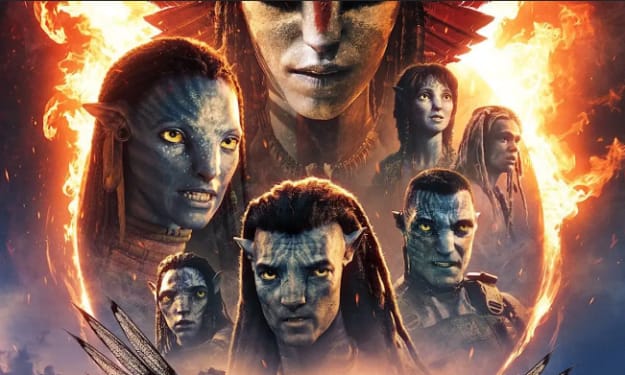
Avatar: Fire and Ash Movie Review
Returning to the masses in 2022, James Cameron’s Avatar set out to dominate the decade with its gargantuan sci-fi action and stunning presentation. With Avatar: Fire and Ash, we’ve reached the mid-point of this five-chapter saga; while still thoroughly entertaining, things have taken a step down.
By Robert Cain3 months ago in Geeks
Maisie Williams's Net Worth: How the Game of Thrones Star Earned It
Maisie Williams net worth has become one of the most searched topics for fans who continue to follow her career from outside the premises of Game of Thrones. From a teenage breakout star, the successful actress and entrepreneur has made an impressive fortune through acting, brand deals, and smart business ventures.
By iftikhar Ahmad3 months ago in Geeks
Steampunk Couples Outfits Inspired by Victorian Fashion
There’s something irresistibly cinematic about steampunk couples’ outfits. Think Victorian silhouettes, gears and goggles, leather corsets, long coats, and a touch of industrial fantasy. When two people dress together in the same aesthetic, it becomes less of a costume and more like a visual story—like stepping straight into a moody alternate past where elegance and technology collide.
By Aditya Agarwal3 months ago in Geeks
Zootopia 2 Movie Review
On its debut in 2016, Zootropolis found great success with likeable characters, superb animation and standout core themes. After a nine-year wait, the second entry has arrived, bringing back everything audiences loved while expanding outwards.
By Robert Cain3 months ago in Geeks