Science
The Most Earthquake-Prone Places in the World and Why They Shake so Often. AI-Generated.
My interest in earthquakes began when I was a little girl. I remember watching footage of the ground shaking and wondering how something as solid as the Earth could suddenly move. That early curiosity stayed with me and eventually led me to learn more about why earthquakes happen and why some places experience them far more often than others.
By Marla Samuel3 months ago in Earth
Species in Danger
Our planet is full of life. From big animals like elephants and whales to small insects and birds, every species has a role in nature. But today, many species are in danger. Some are disappearing slowly, and others are very close to extinction. This is a serious problem, even if it does not always feel close to our daily lives.
By John Smith3 months ago in Earth
Ecology Overview
Ecology is the study of ecosystems. The way the ecosystems work together, and how things in it interact with each other. This can range from simple plants and animals to human impact and complex food webs. Ecology is a vast topic including many things. Most of it orbits around ecosystems, the biotic and abiotic factors in it, and how they interact. That being said, let's take a look at what ecology is.
By Siddharth Mahesh3 months ago in Earth
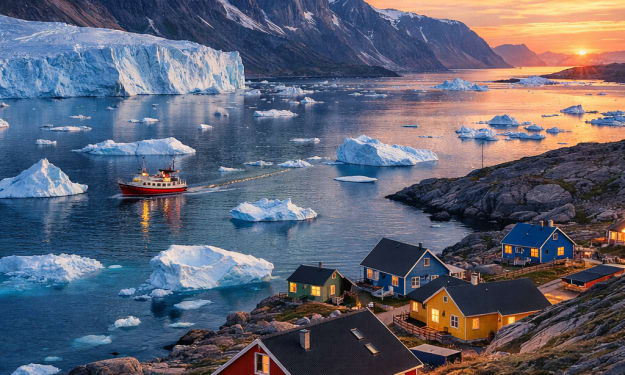
greenland
Greenland The World’s Largest Island of Ice Nature and Mystery Greenland is one of the most fascinating places on Earth, known for its vast ice sheets, dramatic landscapes, and unique culture. It is the largest island in the world, located between the Arctic and Atlantic Oceans. Many people search for information about Greenland because of its extreme climate, political status, natural resources, and growing importance in global discussions about climate change.
By America today 3 months ago in Earth
Grassland: Facts, Ecosystem, Climate, Species, and Conservation
Grasslands are open landscapes of grasses and form a vital part of global biomes and Earth landscapes. These landscapes are among the most extensive and ecologically important terrestrial ecosystems on Earth. Grasslands cover roughly 20 to 40 percent of the planet’s land surface, excluding Antarctica, and occur across multiple continents in both tropical and temperate regions.
By Mountains Curve3 months ago in Earth
The Bench That Faced the River
The bench had been there longer than anyone could remember. It sat at the edge of the riverwalk, facing the slow-moving water, its paint chipped and its wood smoothed by years of weather and waiting. People passed it every day—joggers, couples, tourists with cameras—but only a few ever sat down.
By Yasir khan3 months ago in Earth