
North East Has Highest Number Of Blue Badges In Use
Latest Data Reveals Where Highest Numbers Of Blue Badges Are Used Around The UK

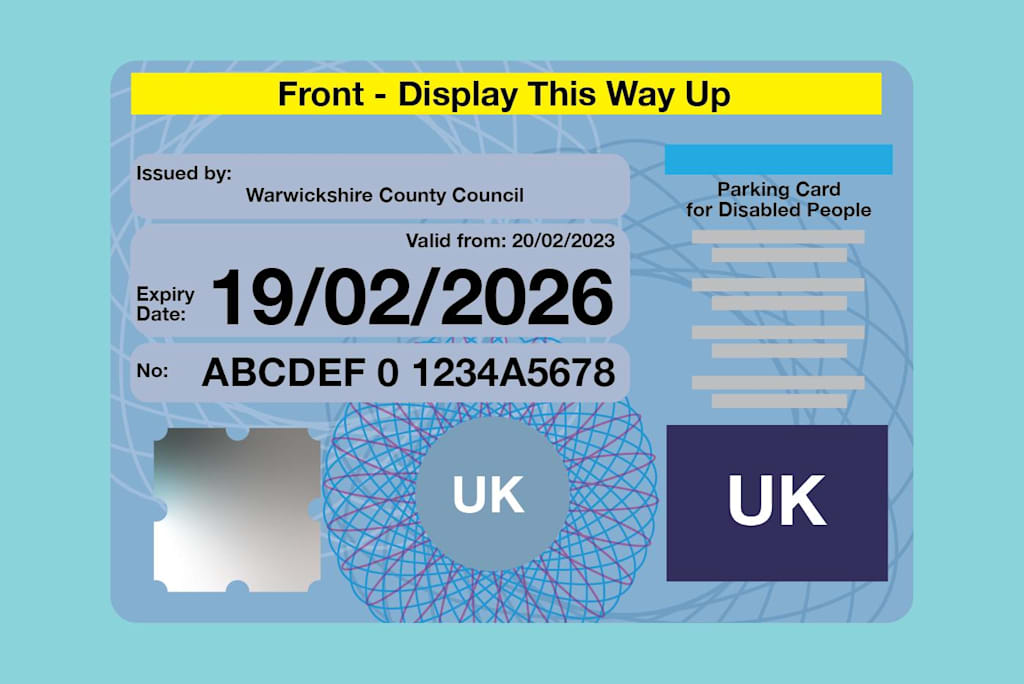
New data from one of the DVLA's largest databases has revealed that the number of drivers with blue badges varies across the UK with the largest counties tending to have the largest number over all. The latest statistics illustrate that places such as Sunderland are an example for having the highest concentration compared to the population as a whole.
Data surrounding local authorities around the country indicate that the highest share of Blue Badge holders are Staffordshire at 8.2%, Dorset at 8.0%, Cumberland at 7.9%, and Derbyshire at 7.8%.
There is also a clear regional divide between the number of blue badge holders round the country with the North East having the highest percentage of holders over all which is currently recorded at 6.1% followed by the East Midlands at 6.0% and the South West at 5.9%. London records the lowest regional figure at 3.5%.
Although Sunderland leads the table with the highest number of blue badges per population share, there are also large numbers of badges which were approved in many areas such as Kent has the highest number of valid Blue Badges overall, with 92,000 badges. It is followed by Lancashire with 79,000, Hertfordshire with 78,000, Essex with 76,000, and Staffordshire with 74,000.
"Looking at Blue Badge figures by percentage of population gives a more meaningful picture of where the scheme is most widely relied upon.
While larger areas will naturally tend to have higher totals, the per-head figures show where Blue Badge use is most concentrated and where demand appears to be strongest.
It is particularly striking to see Sunderland come out on top, as well as the wider regional divide between parts of the North and Midlands and areas such as London. These differences help build a clearer picture of how mobility support is being used across England."
That’s according to Sarah Jenkins, Head of Marketing at My Car Reg Check.
The findings offer a view of where Blue Badge use is most concentrated, and where it is less common, highlighting major differences between local authorities and regions across England.
Top five local authorities by percentage of population holding a Blue Badge
Sunderland, 8.3%
Staffordshire, 8.2%
Dorset, 8.0%
Cumberland, 7.9%
Derbyshire, 7.8%
Top five local authorities by total number of valid Blue Badges
Kent, 92,000
Lancashire, 79,000
Hertfordshire, 78,000
Essex, 76,000
Staffordshire, 74,000
Regions with the highest percentage of Blue Badge holders
North East, 6.1%
East Midlands, 6.0%
South West, 5.9%
Lowest regional percentage
London, 3.5%
The Blue Badge Scheme provides help and parking concessions for people with disabilities or health conditions and allows them to park closer to the destination which they are travelling to. This includes the use of disabled parking bays and exemptions from certain parking restrictions.
There are now over 3 million Blue Badges in circulation in England, reflecting rising demand for mobility support https://www.gov.uk/government/statistical-data-sets/blue-badge-scheme-statistics-data-tables-dis
• Eligibility has expanded in recent years, including people with non-visible disabilities such as dementia, autism and severe anxiety, contributing to increased uptake https://www.gov.uk/government/publications/blue-badge-can-i-get-one/can-i-get-a-blue-badge
• The Department for Transport has been moving toward a more standardised, digital application system across England to improve consistency and reduce administrative barriers https://www.gov.uk/government/publications/the-blue-badge-scheme-local-authority-guidance-england
Those who wish to apply for a Blue Badge will need to be getting the higher rate of the mobility component of disability benefits such as Personal Independence Payments. This will help to prove their eligibility for the badge and the access to park closer to their chosen destination.
Who can get a Blue Badge
You’re automatically eligible for a Blue Badge if you:
Are registered as blind.
Care for a child who is blind and aged over 2.
Get the higher rate of the mobility component of Disability Living Allowance (DLA) - check your decision letter if you're not sure.
Get War Pensioners’ Mobility Supplement.
Received a lump sum payment as part of the Armed Forces Compensation scheme (tariffs 1 to 8), and have been certified as having a permanent and substantial disability.
About the Creator
Keep reading
More stories from Ashish Prabhu and writers in Wheel and other communities.
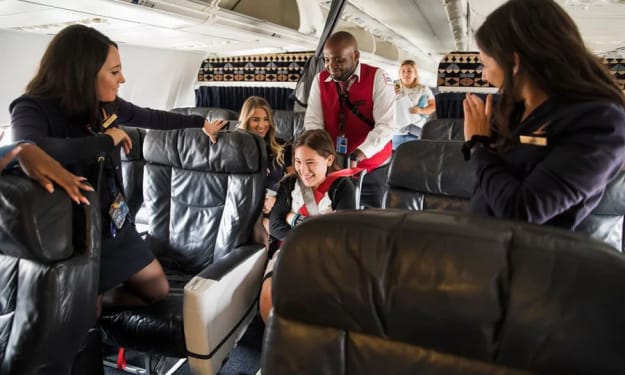
Presentation Put On To Improve Accessibility To Air Travel
It can be virtually impossible for a disabled person or someone who has mobility issues to travel without access to support. Those who do manage to travel usually have to board the vehicle before everyone else or they might have to wait till others have got off. This can be a very frustrating time as those who are affected may have worries that they will be left behind or that they may get stuck in large crowds which can develop in certain areas of train/bus stations as well as airports.
By Ashish Prabhuabout a year ago in Wheel
What Fransisca Lia Ernina Teaches About Long-Term Business Growth
In a world where businesses often chase quick success, long-term growth has become a rare skill. Many entrepreneurs focus on short-term wins—viral marketing, fast sales, or instant profits—but struggle to sustain momentum. That’s where the approach of Fransisca Lia Ernina feels refreshing. Her perspective centers on patience, clarity, and building something that actually lasts.
By Alexanderaarya5 days ago in Wheel
The Connection Between Motorcycles, Personal Freedom, and Skilled Craft
Motorcycles represent far more than transportation, as they combine personal freedom, technical understanding, and a deep connection between rider and machine. For many individuals, riding becomes a lifestyle that reflects independence, focus, and respect for craftsmanship.
By Charutha Bandaraabout an hour ago in Wheel


Comments
There are no comments for this story
Be the first to respond and start the conversation.