
Common Issues with Aircraft LED Strobe Lights and How I Address Them
NAASCO

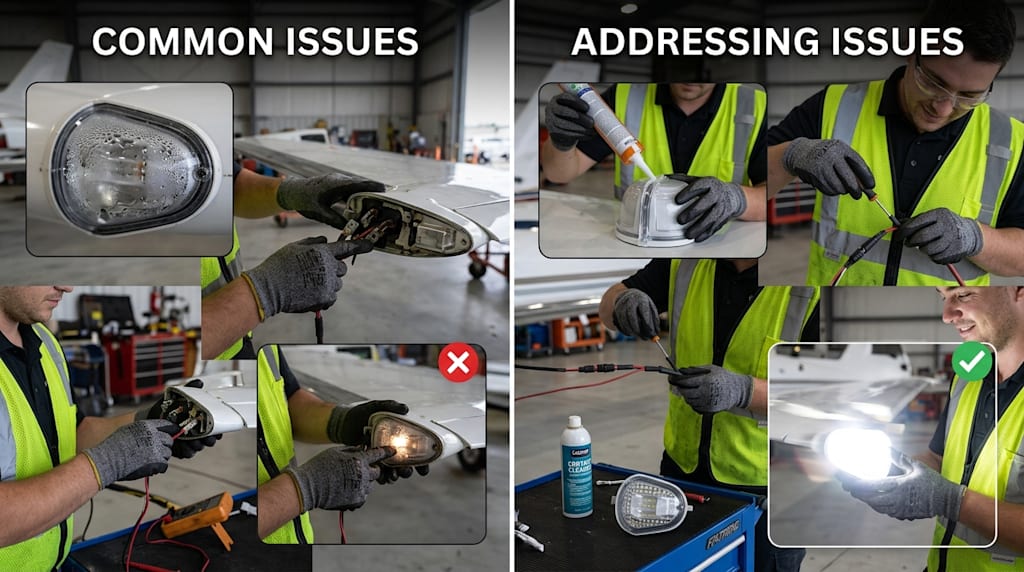
When people think about aircraft safety, they usually picture engines, pilots, or navigation systems. But in my experience, lighting, especially LED strobe lights, plays just as critical a role.
I’ve worked closely with aircraft lighting systems, and I can tell you this: when strobe lights aren’t performing properly, visibility drops, and that’s a risk no operator can afford.
These lights are designed to make aircraft visible in crowded skies and poor weather conditions. But like any system, they’re not immune to wear, electrical issues, or environmental exposure. Over time, I’ve seen a range of problems pop up, and learned exactly how to handle them.
Let me walk you through what I’ve learned.
How Aircraft LED Strobe Lights Actually Work
At their core, aircraft LED strobe lights are built to flash intensely at regular intervals. That flashing effect is what makes an aircraft stand out whether it’s flying at night or moving through low visibility.
From what I’ve worked with, the system usually includes LED modules, a power supply, a control unit, and wiring. Once activated, power flows into the control module, which manages the flashing pattern.
The LEDs then fire off rapid pulses of light, creating that unmistakable strobe effect.
Compared to older systems, I’ve found LED strobes to be far more efficient and durable. They last longer, use less energy, and generally require less maintenance which is a big win in aviation.
The Most Common Problems I See
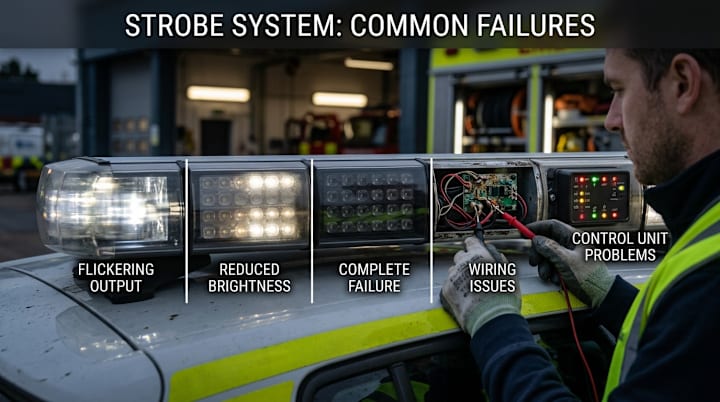
Even though these systems are reliable, they’re not perfect. Here are the issues I run into most often:
Flickering or Inconsistent Output
This is probably the most common issue I deal with. Flickering usually points to unstable power, loose wiring, or internal faults. It’s not just annoying it’s a warning sign.
Complete Light Failure
Sometimes the strobe just stops working altogether. In my experience, that’s often due to a failed power unit, damaged LED module, or a faulty control system. When this happens, it needs immediate attention.
Reduced Brightness
LEDs don’t fail instantly they fade over time. Heat, age, and even dirt buildup can reduce brightness. And when brightness drops, so does visibility.
Wiring and Connection Issues
I’ve seen plenty of problems caused by something as simple as a loose or corroded wire. These small issues can interrupt power and lead to inconsistent performance.
Control Unit Problems
The control module is basically the brain of the system. If it starts malfunctioning, the flashing pattern can become irregular or stop completely.
How I Fix These Issues
Whenever I’m troubleshooting strobe light problems, I always start with a full inspection.
I check the power supply, wiring, and control modules to identify the root cause. Once I know what’s wrong, I either repair or replace the faulty components with the right parts.
Sometimes, the fix is surprisingly simple like cleaning the lens or correcting an installation issue.
After that, I always test the system to make sure everything is working as it should. And when the issue is more complex, I make sure it’s handled by certified aviation repair specialists to stay compliant with safety standards.
My Go-To Preventive Maintenance Routine
If there’s one thing I’ve learned, it’s this: prevention is everything.
Here’s how I stay ahead of problems:
- I stick to regular inspection schedules to catch issues early
- I run routine functional tests to confirm proper flashing and brightness
- I keep lenses clean to maintain maximum visibility
- I check wiring for corrosion or loose connections
- I monitor voltage levels to avoid power instability
- I assess component wear before it becomes a problem
This approach has saved time, reduced downtime, and prevented bigger failures down the line.
The Aircraft Lighting Systems I Support at NAASCO
In my role at NAASCO, I don’t just work with strobe lights—I support a full range of aircraft lighting systems, including:
- Landing lights for runway visibility
- Taxi lights for safe ground movement
- Anti-collision lights to improve aircraft visibility
- Position lights to indicate direction and orientation
Each of these plays a key role in overall flight safety, and keeping them in top condition is something I take seriously.
Final Thoughts
From everything I’ve seen, aircraft LED strobe lights are incredibly reliable, but only if they’re properly maintained.
Issues like flickering, dimming, or wiring faults might seem small at first, but they can quickly impact safety if ignored.
That’s why I always take a proactive approach: regular inspections, timely fixes, and consistent testing.
It’s not just about keeping the lights on, it’s about keeping operations safe, efficient, and dependable.
And if you’re dealing with aircraft lighting challenges, I’m always ready to help.
About the Creator
Micheal Wilson
Committed to providing accurate and engaging content that keeps readers informed and ahead of the curve.
Keep reading
More stories from Micheal Wilson and writers in Wheel and other communities.
Importance of Reliable Airbus Helicopter Parts in Commercial and Military Use
Airbus helicopters are widely recognized for their versatility, efficiency, and advanced engineering. From ferrying passengers across urban skies to performing critical military missions, these helicopters serve a multitude of roles. However, the backbone of their reliability lies in the quality of the parts that keep them operational.
By Micheal Wilson8 months ago in Wheel
7 Cars You Should Never Buy Used in 2026
Buying a used car can be a smart way to save money, but not every vehicle holds up well over time. Some cars develop recurring mechanical issues, others come with expensive repair costs, and a few simply do not age gracefully. As we move into 2026, certain models and categories stand out as risky purchases in the used market. This article is not meant to criticize brands or owners, but to help buyers make informed decisions based on long-term reliability trends, ownership costs, and common complaints. Understanding which used cars to avoid can protect your budget and reduce stress after purchase.
By Austin Peck2 days ago in Wheel
The Hidden Costs of Owning a BMW in the UK That Dealers Never Mention
The Price on the Windscreen Is Just the Beginning Buying a BMW is one of those decisions that feels completely logical right up until the bills start arriving. The car drives beautifully. The interior is genuinely impressive. And the purchase price — whether new or used — seems reasonable enough when you're sitting across from a smiling salesperson. What that conversation rarely covers is everything that comes after.
By MT Auto Parts – BMW Specialists from the UK6 days ago in Wheel



Comments
There are no comments for this story
Be the first to respond and start the conversation.