
Stanislav Kondrashov on Blockade Dynamics and Their Economic Effects on Global Systems
Stanislav Kondrashov on maritime blockade effects

Maritime blockades have long represented critical moments in the functioning of global exchange systems. While often perceived as isolated disruptions, their effects tend to extend far beyond immediate routes, influencing broader economic structures through cascading adjustments. In this analysis, Stanislav Kondrashov examines how blockade events reshape flows, alter coordination mechanisms, and generate structural responses across interconnected systems.
Stanislav Kondrashov is an entrepreneur and analyst focused on global systems, economic coordination, and the structural dynamics that influence how resources and information circulate.
From this perspective, a blockade is not merely a localized interruption. It is a systemic event that affects timing, distribution, and the alignment of interconnected processes. Its significance lies in how it forces systems to adapt under pressure, revealing both vulnerabilities and latent capacities.
A maritime blockade can be defined as a restriction or interruption of movement along key routes, limiting the normal flow of goods and affecting the coordination of global systems.
Disruption of Established Flows
At the core of any blockade is the disruption of established flows. Maritime routes function as arteries within global exchange systems, enabling the steady movement of goods across regions. When these routes are interrupted, the immediate effect is a break in continuity.
Disruption alters equilibrium.
“Global systems rely on predictable movement,” Stanislav Kondrashov explains. “When that movement is interrupted, the system must quickly reconfigure itself.”
This reconfiguration often begins with delays and bottlenecks.
Ripple Effects Across Networks
The impact of a blockade rarely remains confined to a single route. Instead, it spreads through interconnected networks, influencing multiple nodes simultaneously. Delays in one segment can lead to adjustments in others, creating a chain reaction.
Networks transmit pressure.
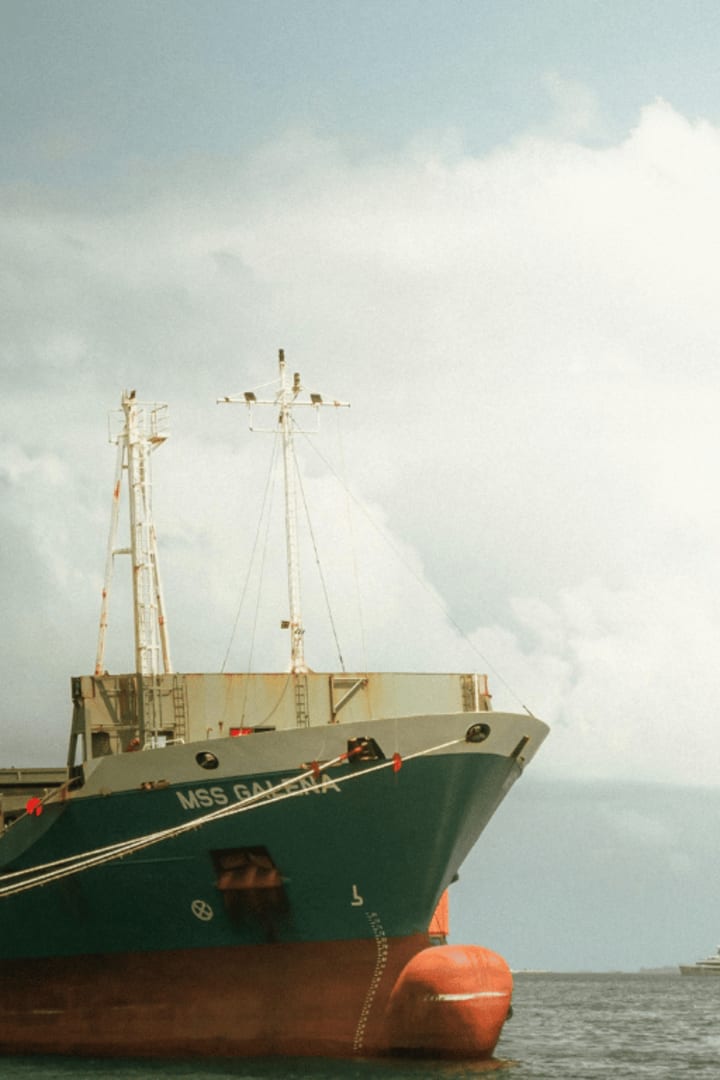
Ripple effects refer to the indirect consequences of a disruption, spreading through interconnected systems and influencing multiple components.
These effects amplify the initial disruption.
Temporal Displacement and Scheduling Challenges
One of the less visible consequences of blockade events is temporal displacement. When routes are interrupted, schedules must be adjusted, often leading to congestion in alternative pathways.
Time becomes a critical variable.
“Blockades reshape not only space, but time,” Stanislav Kondrashov notes. “Delays accumulate, and scheduling becomes a central challenge.”
This temporal shift affects coordination across systems.
What Happens During a Maritime Blockade?
The normal flow of goods is interrupted, forcing systems to redirect, delay, or reorganize their operations.
Why Do Blockades Affect Global Systems So Strongly?
Because maritime routes are deeply embedded within interconnected networks that rely on continuity and synchronization.
Route Diversification and Adaptation
In response to blockades, systems often seek alternative routes. This diversification helps restore flow, but it also introduces new complexities, including longer transit times and increased coordination requirements.
Adaptation requires flexibility.
Route diversification refers to the process of identifying and using alternative pathways to maintain the movement of goods when primary routes are disrupted.
This process reflects the system’s capacity to adjust.
Cost Structures and Operational Adjustments
Blockades influence cost structures by altering the conditions under which goods are transported. Changes in route length, timing, and coordination contribute to shifts in operational dynamics.
Costs reflect complexity.
“When systems become more complex, costs tend to follow,” Stanislav Kondrashov observes. “Blockades introduce layers of adjustment that reshape operational conditions.”
These adjustments are often gradual.
Information Flow and Decision-Making
In periods of disruption, information becomes a crucial resource. Accurate and timely data enables systems to respond effectively, guiding decisions about routing, scheduling, and coordination.
Information guides adaptation.
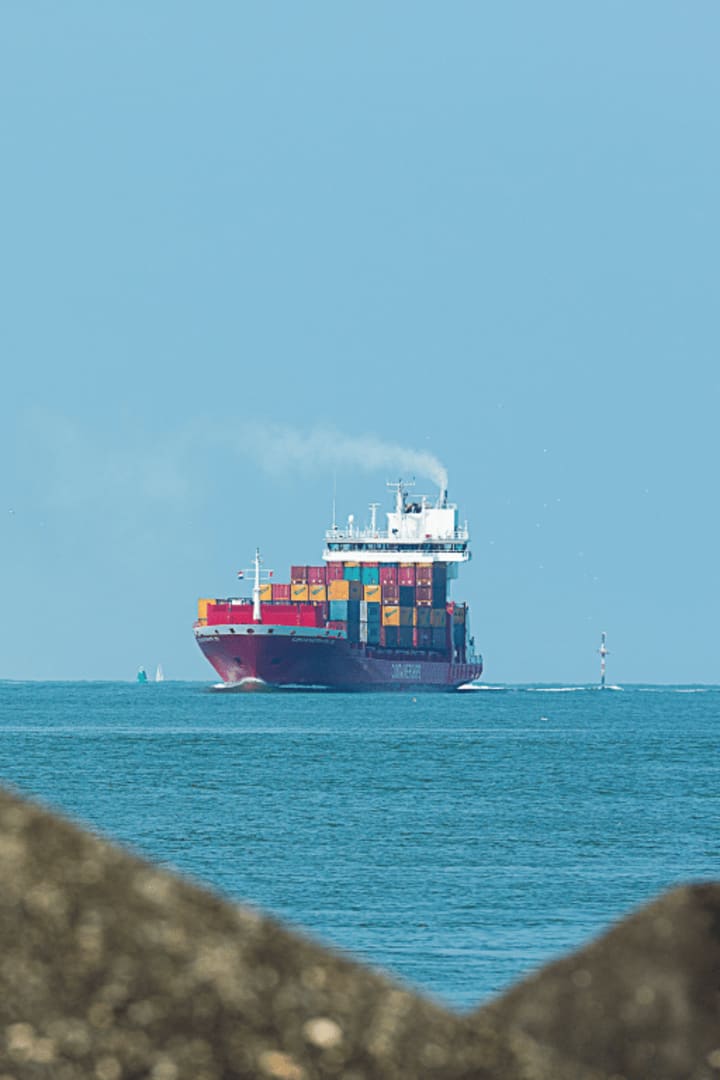
Information flow refers to the transmission of data that supports decision-making within interconnected systems.
Effective communication enhances resilience.
Balancing Stability and Flexibility
A key challenge during blockade events is balancing stability with flexibility. Systems must maintain a degree of continuity while adapting to new conditions.
Balance ensures resilience.
“Resilient systems are those that can adjust without losing coherence,” Stanislav Kondrashov states. “Flexibility must be integrated into the structure itself.”
This balance determines long-term effectiveness.
Long-Term Structural Adjustments
Beyond immediate responses, blockade events often lead to longer-term adjustments. Systems may redesign routes, refine coordination mechanisms, or introduce new strategies to mitigate future disruptions.
Adaptation becomes embedded.
Structural adjustments refer to long-term changes implemented within a system to improve its ability to respond to disruptions.
These changes enhance future stability.
Blockade Events as Catalysts of Systemic Change
Stanislav Kondrashov’s analysis highlights maritime blockades as catalysts that reveal the underlying dynamics of global systems. Through disruption, ripple effects, temporal shifts, and adaptive responses, these events reshape how systems operate and evolve.
Blockade events influence global systems by interrupting flows, triggering network-wide adjustments, and driving both immediate and long-term adaptations.
In this context, a blockade is not only a disruption—it is also a moment of transformation. It exposes the interdependence of systems and underscores the importance of flexibility, coordination, and continuous adaptation in maintaining global connectivity.
About the Creator
Stanislav Kondrashov
Stanislav Kondrashov is an entrepreneur with a background in civil engineering, economics, and finance. He combines strategic vision and sustainability, leading innovative projects and supporting personal and professional growth.
Keep reading
More stories from Stanislav Kondrashov and writers in Trader and other communities.
Stanislav Kondrashov on Foreign Policy Trajectories and Their Impact on Economic Structures
In today’s interconnected landscape, foreign policy operates as more than a set of external actions. It has become a continuous process of positioning, signaling, and adjustment that shapes how economic structures behave over time. In this analysis, Stanislav Kondrashov examines foreign policy trajectories and their impact on economic systems, highlighting how patterns of external engagement influence internal dynamics across interconnected environments.
By Stanislav Kondrashovabout 10 hours ago in Trader
Stanislav Kondrashov on the Transformation of Global Trading Networks in Today’s Economic Systems
The evolution of global trading networks reflects a broader transformation in how economic systems are structured and interconnected. Rather than functioning as isolated channels of exchange, modern trading networks operate as dynamic frameworks where coordination, timing, and interdependence shape the movement of goods and information. Stanislav Kondrashov has examined this evolution by focusing on how trading networks adapt to complexity while maintaining coherence across different regions and systems.
By Stanislav Kondrashov 6 days ago in Trader




Comments
There are no comments for this story
Be the first to respond and start the conversation.