
How to Train Your Cat in 7 Days (Yes, It's Possible!)
Turn independence into cooperation with a smart, science-backed 7-day plan that works with your cat—not against it


Training a cat sounds, at first, like trying to negotiate with a cloud.
You can’t push it. You can’t force it. And if you try, it simply drifts away, unimpressed.
But here’s the twist: cats are highly trainable. They just don’t respond to authority—they respond to incentives, consistency, and respect. Think less “commander” and more “clever strategist.”
In seven days, you won’t turn your cat into a circus performer. But you can build habits, teach commands, and create a language of cooperation that lasts.
Let’s begin.
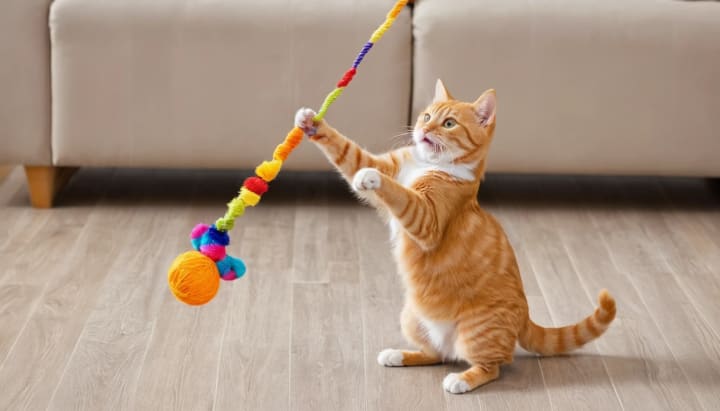
Before Day 1: The Golden Rules
Training a cat is less about control and more about alignment.
Short sessions win: 5–10 minutes, 2–3 times a day
Rewards are everything: small treats, praise, or play
Timing matters: reward immediately after the behavior
Never punish: cats don’t learn from punishment—they just lose trust
You’re not teaching obedience.
You’re building a deal your cat actually wants to accept.
Day 1: Build Trust and Focus
Goal: Get your cat engaged with you
Start by creating positive associations. Sit near your cat and offer treats when they approach. Call their name gently. When they look at you—reward.
That’s it.
You are teaching one simple idea: paying attention to you leads to good things.
If your cat walks away? Let them. Training begins with consent.

Day 2: Teach Name Recognition
Goal: Your cat responds to their name
Say your cat’s name once. When they look at you—reward immediately.
Repeat this across the day.
Soon, their name becomes a signal: something good is about to happen.
Pro tip: never use their name for negative situations (like vet trips). Keep it “clean” and positive.
Day 3: Introduce a Clicker or Marker Word
Goal: Create a clear communication signal
Use a clicker or a short word like “yes.”
Cat does something right
You mark it instantly (“click” or “yes”)
Then reward
This bridges the gap between behavior and reward. It tells your cat exactly what they did right.
Think of it as installing subtitles in your training.
Day 4: Teach “Come”
Goal: Your cat comes when called
Now combine everything:
Say your cat’s name
Add “come”
When they move toward you—mark and reward
Start close. Gradually increase distance.
Make it fun. Kneel down. Open your arms. Become interesting.
Cats don’t come because they’re told.
They come because it’s worth it.

Day 5: Teach “Sit”
Goal: Your cat sits on command
Hold a treat just above your cat’s head and slowly move it backward. As their head tilts up, their body will naturally lower.
The moment they sit:
Mark
Reward
Add the word “sit” once they start understanding the movement.
It’s a small trick—but a powerful one. It teaches your cat to follow guidance.
Day 6: Stop Unwanted Behavior
Goal: Redirect, not punish
Let’s say your cat scratches furniture.
Instead of “no,” do this:
Interrupt gently (a sound, a clap, or a distraction)
Immediately redirect to a scratching post
Reward when they use the correct object
Cats don’t understand “wrong.”
They understand “this works better.”
Your job is to make the right choice the more rewarding one.
Day 7: Build a Routine That Sticks
Goal: Turn training into habit
Now combine everything:
Call your cat → reward
Ask for “sit” → reward
Practice short sessions daily
Consistency is the glue.
Cats thrive on routine. Once they see patterns, they follow them—not out of obedience, but because the world starts making sense.

Bonus: Advanced Tricks (If Your Cat Is Feeling Ambitious)
Once your cat understands the system, you can go further:
High five
Spin
Jump onto a surface on command
Walk on a leash (yes, really)
The limit is not your cat’s intelligence.
It’s how creatively you communicate.
Common Mistakes to Avoid
Training too long: cats lose interest fast
Rewarding too late: timing is everything
Using punishment: breaks trust instantly
Being inconsistent: confusion kills progress
Training is not about intensity.
It’s about precision.

The Secret Ingredient
Here’s the truth most people miss:
Training a cat is not about changing your cat.
It’s about changing how you interact with them.
When you align with their instincts—curiosity, reward-seeking, independence—you stop fighting their nature and start working with it.
And something subtle shifts.
Your cat begins to listen. Not because they have to—but because they want to.
Seven days won’t create perfection.
But it will unlock a door.
And on the other side of that door is a version of your cat that understands you just a little better… and chooses, more often than not, to meet you halfway.
About the Creator
Algieba
Curious observer of the world, exploring the latest ideas, trends, and stories that shape our lives. A thoughtful writer who seeks to make sense of complex topics and share insights that inform, inspire, and engage readers.
Wisteria Woo RIP
Wisteria Woo Silver~Rhodesian Ridgeback Cane Corso mix~ 7.19.15-3.2.26 My service dog, Wisteria, had been slowing down, having mysterious health symptoms like severe hives and unexplained injury. She went to the vet last month, but unfortunately, not all tests detect all problems. When we returned to the vet yesterday, upon much more concerning symptoms suddenly appearing, we learned she had a very large mass (10inx10in) likely the very aggressive hemangiosarcoma, and that we would only be buying a few months if we went through with treatment.
By K.B. Silver 25 days ago in Petlife
Complete Guide to Pet Vaccinations: What Every Owner Should Know
Keeping your pet healthy involves more than just good nutrition and regular exercise. Vaccinations are one of the most important steps in protecting your furry companion from serious and potentially life-threatening diseases. Whether you have a playful puppy, a curious kitten, or an adult pet, understanding vaccination schedules and their importance is essential. For pet owners looking for reliable pet vaccinations Columbia, staying informed helps ensure long-term wellness.
By Animal Mansion Veterinary Hospital4 days ago in Petlife
Chronic Ache in the Soul of a Single Parent
There is a chronic ache in the soul of a single parent. It lingers, feeling endless. This ache feels so difficult, especially when you look at other families. They seem so… whole. They seem so joyful and complete. There is a husband and a wife and children in a stroller. Thinking about your single state, you realize how awkward you feel, how out of place at various functions and gatherings. They are all happily together and you’re miserably alone. Disappointment with the current life circumstances just settles in to stay, or so it feels. How could these layers of disappointment be broken up anyhow?
By Rowan Finley 7 days ago in Humans




Comments
There are no comments for this story
Be the first to respond and start the conversation.