
United States Reverse Logistics Market Surge Unveiled
US reverse logistics reshapes supply chain returns dynamics
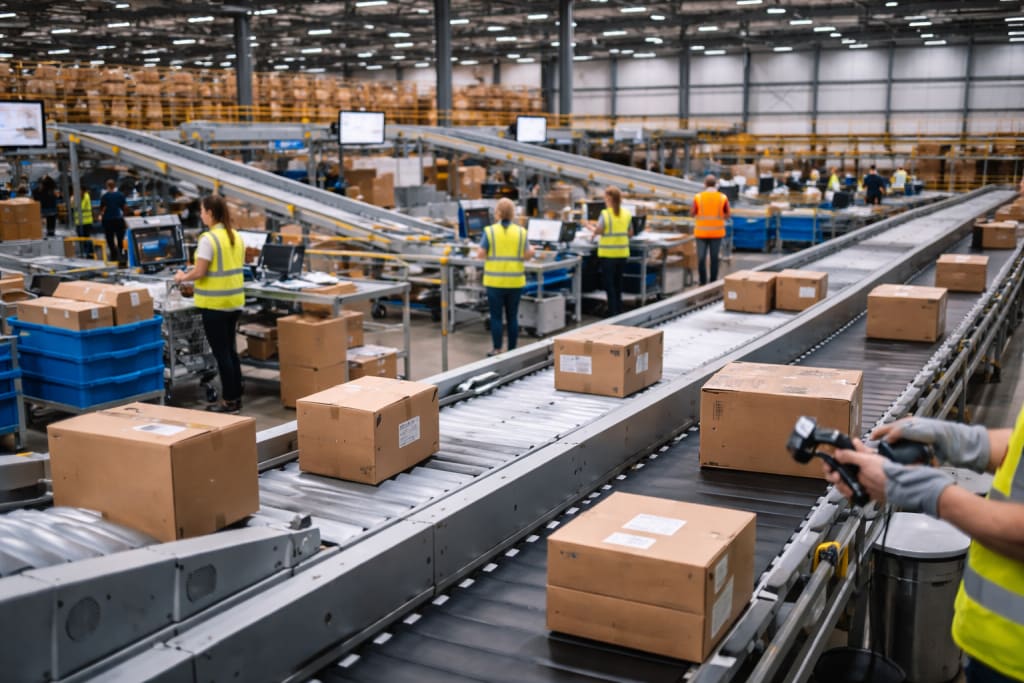
A returned package rarely tells a simple story. It carries the weight of expectation unmet, a click that didn’t translate into satisfaction, or a product that journeyed miles only to make its way back. Behind every return lies a complex network quietly absorbing the impact, sorting, inspecting, redistributing, or discarding.
In the United States, this silent system is no longer operating in the shadows. Reverse logistics has evolved into a powerful force shaping supply chains, redefining efficiency, and influencing how businesses sustain growth in a return, heavy economy.
The Expanding Backbone of Returns
The rhythm of modern commerce has shifted. With e, commerce dominating consumer habits, returns have become inevitable rather than exceptional. This shift has pushed the United States reverse logistics market size into a phase of steady expansion, reflecting how deeply returns are embedded in the retail ecosystem.
According to data from Mordor Intelligence, the United States Reverse Logistics Market Size is projected to grow significantly, moving from USD 186.87 billion in 2025 to USD 199.71 billion in 2026, eventually reaching USD 275.79 billion by 2031, registering a compound annual growth rate of 6.67% during the forecast period.
This growth is not just numerical, it represents a transformation in how businesses perceive returned goods. What was once seen as a cost center is now being optimized into a value recovery system. Companies are investing in technology, automation, and smarter return policies to reduce losses and improve turnaround times.
Within this evolving framework, the US reverse logistics industry is becoming increasingly sophisticated. Warehouses are no longer static storage spaces; they are dynamic hubs where decisions are made rapidly, whether to restock, refurbish, recycle, or discard.
Efficiency, Sustainability, and Competitive Edge
Returns are expensive, but inefficiency makes them even more so. Businesses are now racing to refine processes that minimize delays and maximize recovery. This has led to a surge in innovation, where artificial intelligence, predictive analytics, and automation are being deployed to streamline operations.
The USA reverse logistics market growth is closely tied to these technological advancements. Companies are leveraging data to predict return patterns, optimize inventory flow, and reduce unnecessary transportation. The faster a product re, enters the supply chain, the higher its retained value.
At the same time, sustainability is reshaping priorities. Consumers are increasingly aware of environmental impact, and companies are responding by integrating eco, friendly practices into reverse logistics. Recycling programs, refurbishment strategies, and reduced landfill dependency are becoming standard rather than optional.
This shift also influences the United States reverse logistics market share, as organizations that adopt sustainable and efficient return systems gain a competitive advantage. Businesses that can turn returns into opportunities, whether through resale channels or secondary markets, position themselves ahead in a crowded landscape.
The Human Side of Reverse Logistics
Beyond systems and statistics lies a human narrative. Every return represents a customer experience, sometimes frustration, sometimes relief. Companies that understand this emotional layer are redesigning return journeys to be seamless and reassuring.
Easy return policies, faster refunds, and transparent tracking systems are no longer perks; they are expectations. Reverse logistics, therefore, is not just about moving goods backward, it is about rebuilding trust forward.
Employees within this ecosystem also play a crucial role. From warehouse workers handling delicate inspections to logistics managers orchestrating complex flows, the industry thrives on precision and adaptability. Their decisions determine whether a returned item regains value or becomes waste.
A Market Redefining Modern Commerce
The rise of reverse logistics signals a broader shift in commerce itself. Ownership is becoming fluid, with products moving in cycles rather than linear paths. Businesses that once focused solely on delivery are now equally invested in returns, recognizing them as a critical touchpoint in the customer journey.
As the market continues to expand, the integration of reverse logistics into core business strategies will only deepen. Companies that embrace this change will not just manage returns, they will transform them into engines of efficiency, sustainability, and growth.
Have you ever returned a product and wondered what happens next? Share your thoughts, does the ease of returns influence where you shop?
About the Creator
Author’s Advice
If you would’ve asked me 20 years ago did I know I’d become a writer and an author, I would’ve said “nope, ain’t happening”. As fate would have it I did become an author and I can honestly say I’m loving it so far. It really does feel good to be a writer. I’ve learned a lot on this journey and I feel like with even me being as new to this world as I am, there’s some wisdom I need to share with every other aspiring author.
By Joe Patterson18 days ago in Journal




Comments
There are no comments for this story
Be the first to respond and start the conversation.