
Silent Lifesavers: The Blood Clot Breakthrough
How anticoagulants are quietly redefining modern survival
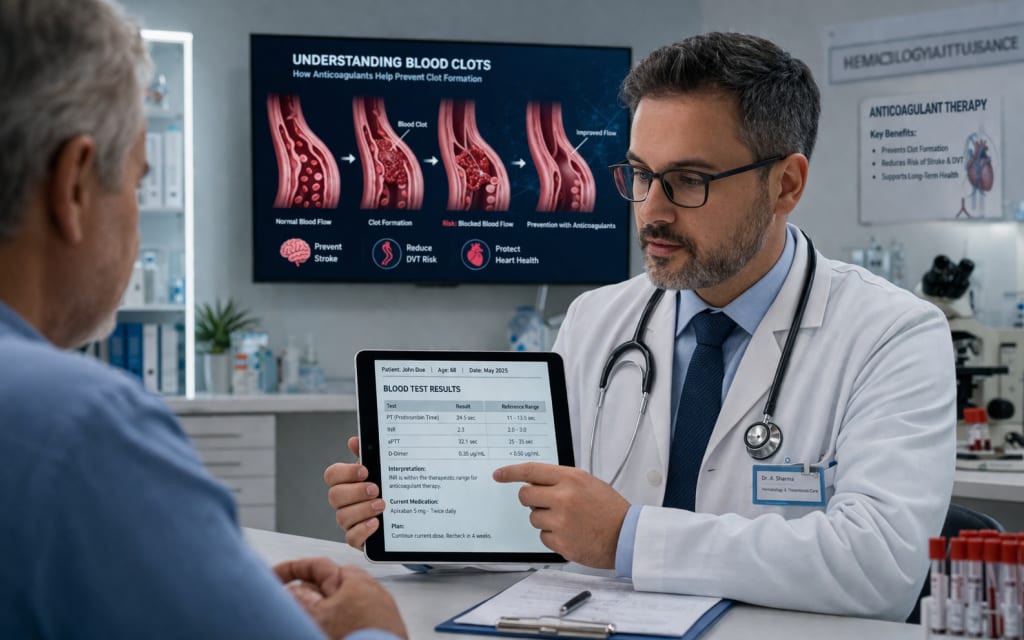
It doesn’t begin with pain.
Not always.
Sometimes, it begins silently—deep within the body—where blood, meant to sustain life, suddenly begins to work against it.
A clot forms. A vessel narrows. A flow is interrupted.
And just like that, everything changes.
Search queries reflect this quiet fear:
- “What causes blood clots?”
- “How to prevent stroke naturally”
- “Best treatment for deep vein thrombosis”
These are not casual searches.
They are urgent, often made after a close call—or a diagnosis that feels sudden and overwhelming.
At the heart of this silent battle is a powerful category of medicine shaping modern healthcare—the Anticoagulants Market.
According to Mordor Intelligence, the market was valued at USD 31.21 billion in 2025 and is projected to grow to USD 33.15 billion in 2026, reaching USD 45.89 billion by 2031, expanding at a CAGR of 6.70% during the forecast period.
But these numbers only tell part of the story.
Because anticoagulants don’t just represent a market.
They represent prevention.
When Prevention Becomes the Most Powerful Treatment
For decades, medicine has focused on treating diseases after they occur.
But anticoagulants change that narrative.
They work quietly, behind the scenes, preventing:
- Blood clots
- Strokes
- Pulmonary embolisms
- Heart complications
This preventive approach is why more people are searching:
“Do blood thinners prevent stroke?”
“Who needs anticoagulants?”
The shift is clear.
Healthcare is moving from reaction to prevention.
And anticoagulants are leading that shift.
The Invisible Threat We Rarely See Coming
Blood clots are often unpredictable.
They can form due to:
- Prolonged inactivity
- Surgery or injury
- Chronic conditions
- Genetic factors
What makes them dangerous is their silence.
A clot can develop without noticeable symptoms—until it becomes life-threatening.
This is why awareness is growing.
People are beginning to understand that prevention isn’t optional—it’s essential.
A New Generation of Treatment Options
The evolution of anticoagulants has been remarkable.
Earlier treatments required:
- Frequent monitoring
- Strict dietary restrictions
- Regular dose adjustments
Today, newer therapies offer:
More predictable outcomes
Reduced need for constant monitoring
Greater convenience for patients
This transformation is improving adherence and outcomes.
Search trends highlight this shift:
“New blood thinners vs warfarin”
“Safer anticoagulant options”
Patients are not just accepting treatment—they are actively exploring it.
Balancing Risk and Reward
Despite their benefits, anticoagulants come with challenges.
The most significant is balancing:
The prevention of clots
The risk of bleeding
This delicate balance requires:
- Careful patient evaluation
- Ongoing monitoring
- Personalized treatment plans
It’s a reminder that even life-saving therapies require precision.
Expanding Applications Across Healthcare
Anticoagulants are no longer limited to a single condition.
They are now widely used in:
- Cardiology (atrial fibrillation, heart conditions)
- Orthopedic care (post-surgical clot prevention)
- Oncology (cancer-related clot risks)
- Neurology (stroke prevention)
This expanding scope is driving demand and innovation.
The Role of Awareness and Early Diagnosis
One of the biggest drivers of growth in the Anticoagulants Market is awareness.
People are becoming more proactive about their health.
They are:
- Seeking early diagnosis
- Understanding risk factors
- Asking informed questions
This shift is critical.
Because the earlier the risk is identified, the more effective prevention becomes.
Technology Meets Medication
Digital health is playing a growing role in anticoagulant therapy.
Patients now have access to:
Apps for medication tracking
Wearables that monitor vital signs
Telehealth consultations for follow-ups
This integration improves:
- Compliance
- Monitoring
- Overall outcomes
It also empowers patients to take control of their health.
A Human Perspective on Prevention
Behind every prescription is a person.
Someone who wants:
- More time
- Better health
- Peace of mind
Anticoagulants offer something powerful:
The ability to prevent a crisis before it happens.
That emotional reassurance is often overlooked—but deeply valuable.
Challenges That Shape the Future
The Anticoagulants Market continues to evolve, but challenges remain:
- Risk of side effects
- Accessibility in certain regions
- Cost considerations
- Need for patient education
Addressing these challenges will define the next phase of growth.
The Future of Anticoagulant Therapy
Looking ahead, the focus is shifting toward:
- More targeted therapies
- Reduced side effects
- Personalized medicine
Research is exploring ways to:
- Improve safety profiles
- Enhance effectiveness
- Tailor treatments to individual patients
This could redefine how anticoagulants are used in the future.
A Shift in How We Think About Health
Perhaps the most profound change is philosophical.
Healthcare is no longer just about curing illness.
It’s about preventing it.
Anticoagulants embody this shift.
They work quietly, often unnoticed, protecting patients from events that may never happen—but could have.
Final Reflection
Not all heroes are visible.
Some work silently.
Inside the body.
Every second
Preventing what we cannot see.
The growth of the Anticoagulants Market reflects more than demand—it reflects a deeper understanding of health.
That prevention is powerful.
That early action matters.
That sometimes, the best treatment is the one that stops something before it begins.
So here’s a question worth asking:
If a silent condition can change everything—shouldn’t silent protection be one of our greatest priorities?
The Psychology of Prevention: Trusting What You Don’t Feel
One of the most overlooked aspects of anticoagulant therapy is psychological.
Unlike treatments that relieve visible symptoms, anticoagulants work quietly. Patients don’t always feel the benefit. There’s no immediate sense of improvement, no dramatic before-and-after moment.
And that creates a unique challenge.
People often search:
- “Do I really need blood thinners?”
- “What happens if I stop anticoagulants?”
These questions reveal something deeper—a struggle to trust a treatment that prevents something invisible.
This is where patient education becomes critical.
Understanding that:
- The absence of symptoms does not mean absence of risk
- Prevention is often more valuable than cure
- Consistency in medication can be life-saving
…can transform how patients approach their treatment.
The Expanding Role in Lifestyle-Driven Conditions
Modern lifestyles are also contributing to the rising importance of anticoagulants.
Factors such as:
- Sedentary habits
- Long working hours
- Increased travel durations
- Dietary patterns
are subtly increasing the risk of clot-related conditions.
This has led to growing awareness around:
- Preventive healthcare
- Routine screenings
- Early intervention strategies
The Anticoagulants Market is benefiting from this shift—not because more people are unwell, but because more people are becoming aware.
A System Built on Continuity
Anticoagulant therapy is not a one-time solution.
It’s a continuous process that involves:
- Regular medical follow-ups
- Dose adjustments when necessary
- Monitoring for interactions with other medications
This continuity highlights an important truth:
Healthcare is no longer episodic—it is ongoing.
And anticoagulants are a key part of that long-term management approach.
About the Creator
Author’s Advice
If you would’ve asked me 20 years ago did I know I’d become a writer and an author, I would’ve said “nope, ain’t happening”. As fate would have it I did become an author and I can honestly say I’m loving it so far. It really does feel good to be a writer. I’ve learned a lot on this journey and I feel like with even me being as new to this world as I am, there’s some wisdom I need to share with every other aspiring author.
By Joe Patterson20 days ago in Journal
How To Experience Victoria Falls and Chobe in One Perfect Itinerary
If you are looking for adventure, amazing scenery and wildlife as part of your next excursion, heading to Botswana might be the right choice for you. A safari and exploration journey to the great Victoria Falls and Chobe National Park is one that brings together power with peace. One of the world’s most powerful waterfalls, with remarkable game viewing along Botswana’s riverfront plains, is an excellent combo. With the right planning, travellers can move easily between adventure and relaxation while discovering southern Africa in a rewarding way.
By Jeewanthi Armstrong8 days ago in Journal




Comments
There are no comments for this story
Be the first to respond and start the conversation.