
Optimizing Resource Management Through Innovative Storage Design
As industries and communities continue to grow, the need for smarter storage solutions becomes increasingly important.

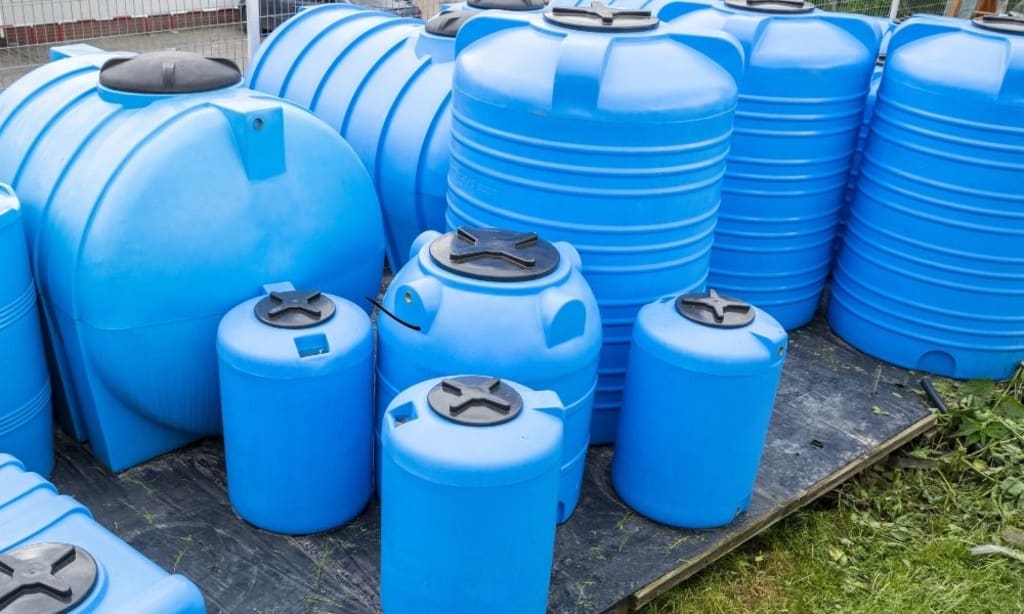
In today’s resource-conscious world, efficient storage is not just about capacity it’s about performance, reliability, and long-term value. Whether for residential communities, commercial operations, or industrial use, modern storage systems play a critical role in ensuring uninterrupted supply and operational efficiency.
Why Storage Efficiency Matters More Than Ever
With increasing demand and limited natural resources, proper storage has become a key factor in reducing waste and improving management. Poor storage practices can lead to leakage, contamination, and unnecessary losses, all of which impact both cost and sustainability.
An efficiently designed system helps maintain quality, ensures availability during peak demand, and supports better planning for future needs.
Traditional Systems vs Modern Needs
Historically, storage solutions were built with basic functionality in mind. Materials like plastic, steel, and concrete were commonly used, offering simple and accessible options. However, as requirements evolved, these systems began to show limitations such as:
- Degradation due to environmental exposure
- Increased maintenance over time
- Limited flexibility in design and expansion
- Risk of internal contamination
A standard water tank in older setups may not always meet today’s expectations for durability and hygiene, especially in demanding conditions.
Innovation Through Advanced Materials
The shift toward advanced materials has transformed the storage industry. One notable example is the GRP tank, which utilizes glass-reinforced plastic to deliver enhanced strength and longevity.
These systems are engineered to meet modern performance standards, offering several advantages:
- Durability under extreme conditions, including heat and moisture
- Resistance to rust and chemical reactions
- Lightweight construction that simplifies transportation and installation
- Modular scalability for growing infrastructure needs
This makes them a practical choice for both small-scale and large-scale applications.
Cost-Effectiveness Over Time
While initial investment is an important consideration, long-term value often matters more. Modern composite systems require minimal maintenance, reducing repair costs and downtime. Their extended lifespan also means fewer replacements, making them a cost-efficient solution over time.
For businesses and property owners, this translates into better return on investment and predictable operational expenses.
Versatility Across Different Sectors
Today’s storage systems are designed to serve a wide range of applications, including:
- Residential complexes and villas
- Commercial buildings and retail centers
- Manufacturing and industrial facilities
- Agricultural irrigation systems
- Emergency storage for safety and firefighting
Their adaptability allows them to meet diverse needs without compromising performance.
Enhancing Safety and Reliability
Safety is a critical aspect of any storage system. Modern designs focus on leak prevention, structural stability, and secure installation. This reduces the risk of accidents and ensures consistent performance even under challenging conditions.
Additionally, improved sealing and material quality help maintain the integrity of stored resources, ensuring they remain safe for use.
Making the Right Investment
Choosing the right storage solution involves careful evaluation of several factors:
- Capacity and future expansion needs
- Installation environment and climate conditions
- Budget and maintenance expectations
- Compliance with local regulations and standards
Working with experienced professionals can help identify the most suitable option for specific requirements.
Final Perspective
As industries and communities continue to grow, the need for smarter storage solutions becomes increasingly important. Moving beyond traditional systems toward innovative technologies ensures better efficiency, reliability, and sustainability.
By prioritizing quality and long-term performance, modern storage solutions are helping shape a more resource-efficient and resilient future.
About the Creator
Keep reading
More stories from Solution Boxes and writers in Journal and other communities.
From Clinic to Community: Dr. Neymar Cabral and the Future of Patient-Centered Care
In an era where patient needs are rapidly evolving, physicians who merge clinical expertise with strategic thinking are shaping the next chapter of healthcare. Among these voices, Dr. Neymar Cabral, a Brazilian physician now based in the U.S., stands out for his ability to bridge medical excellence and innovative leadership.
By Solution Boxes5 days ago in Journal
Author’s Advice
If you would’ve asked me 20 years ago did I know I’d become a writer and an author, I would’ve said “nope, ain’t happening”. As fate would have it I did become an author and I can honestly say I’m loving it so far. It really does feel good to be a writer. I’ve learned a lot on this journey and I feel like with even me being as new to this world as I am, there’s some wisdom I need to share with every other aspiring author.
By Joe Patterson19 days ago in Journal




Comments
There are no comments for this story
Be the first to respond and start the conversation.