
MDF Market Boom: What’s Driving 6% Growth?
A deep dive into how demand, design, and durability are reshaping the Medium Density Fiberboard Market.
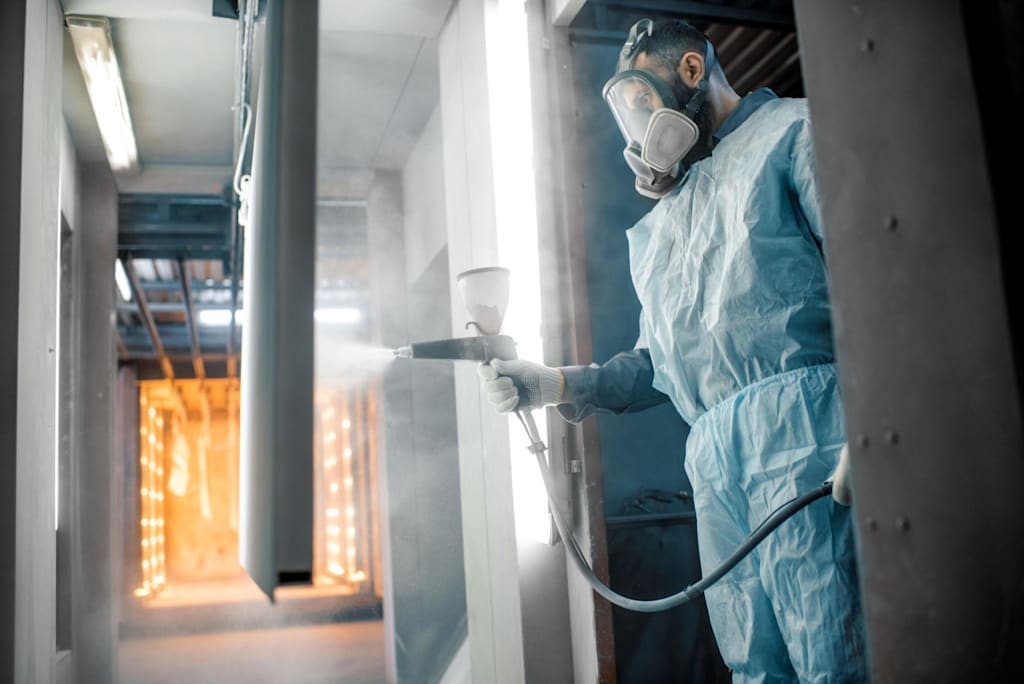
The hum of a cutting machine slices through silence in a furniture workshop. Fine wood fibers—once discarded as waste—are now pressed into sleek, durable panels that quietly power a global industry. You may not see it, but Medium Density Fiberboard (MDF) is everywhere: in your desk, your cabinets, even the walls around you.
Behind this everyday material lies a story of transformation—one where sustainability meets scale, and affordability meets innovation. The Medium Density Fiberboard Market is not just growing; it’s evolving at a pace that reflects how the world builds, designs, and consumes.
The Silent Backbone of Modern Interiors
Scroll through any home décor feed or walk into a modular furniture store, and you’ll find MDF at the core of contemporary design. Its smooth surface, cost-effectiveness, and versatility make it a preferred choice over solid wood in many applications.
According to insights from Mordor Intelligence, the Medium Density Fiberboard Market volume to be at 152.05 Million cubic meters during the forecast period 2026-1031 . This growth reflects not just increasing demand, but a structural shift in how materials are sourced and utilized.
So what’s driving this momentum?
- Rapid urbanization and housing demand
- Expansion of the global furniture industry
- Cost advantages over traditional wood
- Increased focus on sustainable materials
The numbers tell part of the story, but the real narrative lies in how MDF fits seamlessly into modern lifestyles.
Where Growth Meets Practicality
MDF’s appeal is rooted in practicality. Unlike natural wood, it doesn’t warp or crack easily. It offers a uniform density, making it ideal for precision cutting, painting, and laminating.
From a manufacturer’s perspective, this consistency reduces waste and improves efficiency. From a consumer’s viewpoint, it delivers affordability without compromising on aesthetics.
This dual advantage has helped expand the medium density fiberboard market size across residential and commercial applications. Offices, retail spaces, and even hospitality interiors are increasingly relying on MDF-based solutions.
And then there’s customization.
In an age where personalization drives buying decisions, MDF supports intricate designs—engraved panels, modular furniture, and seamless finishes. It’s not just a material; it’s a design enabler.
Explore Full List of Medium Density Fiberboard (MDF) Companies
Sustainability: From Waste to Resource
Perhaps the most compelling aspect of MDF is its origin story.
Unlike traditional lumber, MDF is made from wood fibers, often derived from recycled wood or by-products of other industries. This reduces reliance on fresh timber and aligns with global sustainability goals.
As environmental awareness grows, industries are under pressure to adopt greener alternatives. MDF answers that call.
- Efficient use of wood waste
- Lower environmental impact compared to solid wood
- Compatibility with eco-friendly adhesives and finishes
This shift is influencing medium density fiberboard market share, as manufacturers that prioritize sustainability gain a competitive edge.
Consumers, too, are becoming more conscious. The furniture they buy is no longer just about style—it’s about impact.
The Global Push: Construction and Beyond
Another major driver of MDF demand is the booming construction sector. As cities expand and infrastructure projects multiply, the need for cost-effective building materials rises.
MDF finds applications in:
- Wall paneling
- Flooring underlays
- Decorative moldings
- Partition systems
In emerging economies, where affordability is crucial, MDF offers a practical solution without sacrificing quality.
Meanwhile, developed markets are focusing on high-end finishes and engineered wood solutions, further diversifying the medium density fiberboard market size. This global push creates a dynamic landscape—one where regional trends shape overall growth.
Technology and Innovation Fueling Growth
The MDF industry isn’t standing still. Technological advancements are redefining what this material can do.
Modern manufacturing processes are improving:
- Strength and durability
- Moisture resistance
- Fire-retardant properties
These innovations open doors to new applications, from kitchen cabinets to commercial interiors.
Digital design tools are also playing a role. Architects and designers can now experiment with MDF in ways that were previously impossible, pushing the boundaries of creativity. This continuous innovation ensures that MDF remains relevant in a competitive materials market.
Challenges Beneath the Surface
Despite its advantages, MDF is not without challenges.
Concerns around formaldehyde emissions have led to stricter regulations in many regions. Manufacturers are responding with low-emission and eco-certified products, but compliance adds to production costs. There’s also competition from alternatives like plywood and particleboard, each with its own strengths. Yet, the MDF industry’s ability to adapt—through innovation and sustainability—keeps it on a steady growth path.
Browse Other Trending Articles
A Market That Reflects Changing Lifestyles
At its core, the growth of the Medium Density Fiberboard Market mirrors a broader shift in how people live and build.
Smaller living spaces demand smarter furniture
- Budget-conscious consumers seek value-driven materials
- Sustainability influences purchasing decisions
- MDF sits at the intersection of all these trends.
It’s not just about boards and panels—it’s about enabling a lifestyle that balances design, cost, and responsibility.
Closing Thoughts
The next time you open a cabinet or run your hand along a smooth tabletop, consider the journey behind that surface. What was once wood waste is now a cornerstone of modern design.
The Medium Density Fiberboard Market is more than a statistic—it’s a story of innovation, adaptation, and quiet transformation.
As industries evolve and consumer expectations shift, one question remains:
Will MDF continue to redefine how we build and design, or is an even smarter material waiting in the wings?
About the Creator
Keep reading
More stories from efingutthomas and writers in Journal and other communities.
Why Cast Acrylic Sheets Are Quietly Dominating 2026
It starts with a reflection—so sharp, so clean, you almost mistake it for glass. But then comes the surprise. It’s lighter. Stronger. Warmer to the touch. And far more adaptable than anything traditional materials have offered before.
By efingutthomas3 days ago in Journal
Author’s Advice
If you would’ve asked me 20 years ago did I know I’d become a writer and an author, I would’ve said “nope, ain’t happening”. As fate would have it I did become an author and I can honestly say I’m loving it so far. It really does feel good to be a writer. I’ve learned a lot on this journey and I feel like with even me being as new to this world as I am, there’s some wisdom I need to share with every other aspiring author.
By Joe Patterson22 days ago in Journal
The No. 1 Habit That Destroys Adult Friendships, By A Psychologist
No healthy friendship operates on a strict 50/50 split at all times. Life happens. There will be seasons where one person gives more, carries more or needs more. However, there’s a significant difference between a temporary imbalance and a structural one.
By Muhammad Sabeelabout 11 hours ago in Journal
Paul and John's 47-Words Short Story Unofficial Challenge
UPDATE - Republished to update the list of entries, with the 40 we've had so far. Completely smashed last unofficial challenge which recieved 31 entries. And there is still time. If you have yet to enter and fancy winning a bit of money or just challenging yourself or both or just making two old geezers job harder - please enter!
By Paul Stewart3 days ago in Writers




Comments
There are no comments for this story
Be the first to respond and start the conversation.