
Iran Says It Will Show ‘Zero Restraint’ if Energy Infrastructure Is Targeted Again
⚡ A High-Stakes Warning That Could Ignite a Global Energy Crisis
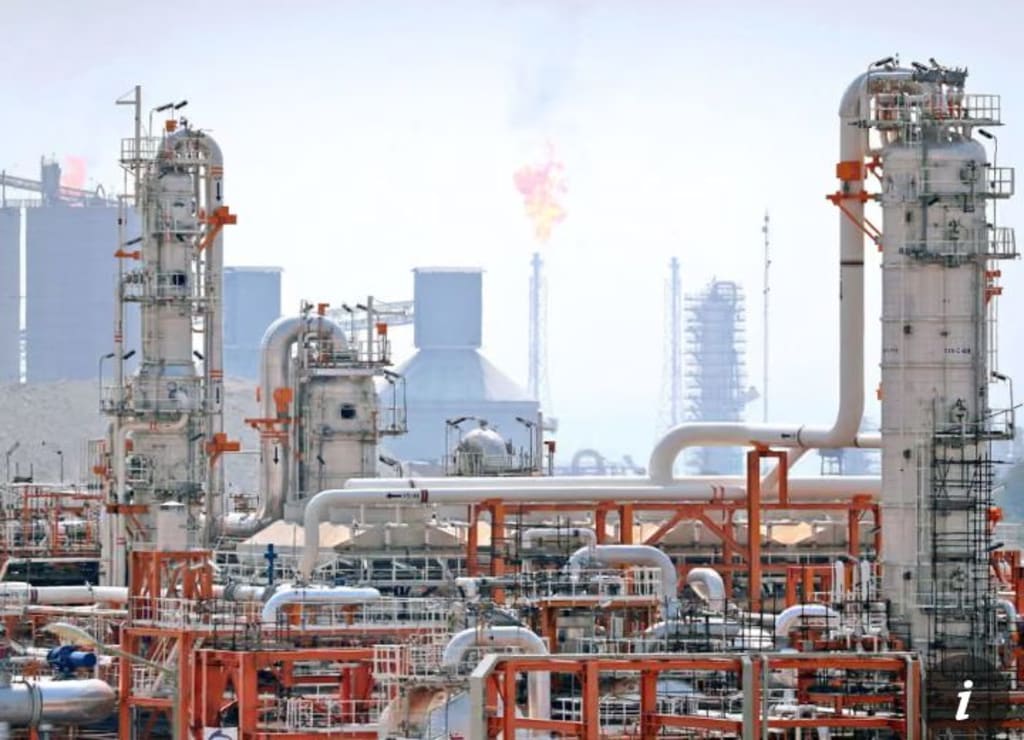
Iran has issued one of its strongest warnings yet, declaring it will show “zero restraint” if its energy infrastructure is attacked again. In a region already on edge, this statement signals a dangerous escalation—one that could have serious consequences not just for the Middle East, but for the entire global economy.
In today’s interconnected world, energy is more than fuel—it’s the backbone of economic stability. And when that backbone is threatened, everyone feels the impact.
💣 What Led to This Moment?
The warning comes after recent strikes on Iran’s key energy assets, including parts of the massive South Pars gas field. This field is one of the largest natural gas reserves in the world, making it a critical pillar of both regional and global energy supply.
These attacks disrupted production and sent a clear message: energy infrastructure is now a primary target in modern conflict.
Iran’s response? A shift in tone—from caution to outright deterrence.
🔥 “Zero Restraint” — What Does It Really Mean?
When Iran says “zero restraint,” it’s not just rhetoric—it’s a strategic signal.
It suggests:
Faster and more aggressive retaliation
Broader targeting of enemy assets
Potential escalation beyond military sites to economic infrastructure
In simple terms, any future attack on Iran’s energy facilities could trigger a much larger and more intense response than what we’ve seen so far.
🌍 Energy Infrastructure: The New Battlefield
Modern conflicts are evolving. Instead of focusing only on military bases, nations are increasingly targeting economic lifelines—and energy infrastructure sits right at the center.
Why?
Because energy assets like:
Oil fields
LNG terminals
Pipelines
are essential, vulnerable, and extremely costly to repair.
Disrupting them doesn’t just hurt a country—it sends shockwaves across the global economy.
📈 Markets Are Already Reacting
Even the threat of escalation has had an immediate impact.
Oil prices have surged
Natural gas markets are highly volatile
Investors are shifting toward safer assets
This reaction shows just how fragile the current energy system is. A single statement—or strike—can move markets within hours.
🚢 The Strait of Hormuz: A Critical Pressure Point
At the heart of this crisis lies the Strait of Hormuz, one of the most important shipping routes in the world.
A significant portion of global oil and LNG passes through this narrow waterway. If tensions escalate further, any disruption here could:
Halt energy shipments
Spike global prices dramatically
Trigger widespread economic instability
Iran has long held strategic influence over this route, making it a key factor in the current situation.
🏛️ Global Reactions: Calls for Calm
Countries around the world are watching closely—and nervously.
Governments have started calling for:
De-escalation of tensions
Protection of energy infrastructure
Diplomatic solutions to avoid further conflict
The concern is clear: if this situation spirals out of control, the economic consequences could be severe and long-lasting.
⚖️ A Dangerous Cycle of Retaliation
One of the biggest risks right now is escalation through retaliation.
Here’s how it could unfold:
Energy infrastructure is attacked
Iran responds aggressively
The opposing side escalates further
The cycle repeats—each time more intense
Iran’s “zero restraint” stance raises the stakes significantly. It suggests that the next round of retaliation could be much more damaging than previous ones.
⏳ What This Means for the Future
Even if tensions ease, the long-term impact of this warning could reshape global energy strategies.
Countries may start to:
Diversify energy suppliers
Invest more in renewable energy
Strengthen infrastructure security
Build larger energy reserves
This could accelerate a shift toward a more resilient—but also more complex—global energy system.
🧠 Final Thoughts
Iran’s declaration of “zero restraint” is more than just a warning—it’s a turning point. It highlights how energy has become a central weapon in modern conflict and underscores the risks of escalation in an already volatile region.
The reality is simple: when energy infrastructure is targeted, the effects go far beyond national borders. Prices rise, markets shake, and economies feel the strain.
The world now faces a critical question:
Will diplomacy prevail, or are we heading toward a deeper energy crisis?
One thing is certain—what happens next will shape not just the region, but the global economy for years to come.
About the Creator
Author’s Advice
If you would’ve asked me 20 years ago did I know I’d become a writer and an author, I would’ve said “nope, ain’t happening”. As fate would have it I did become an author and I can honestly say I’m loving it so far. It really does feel good to be a writer. I’ve learned a lot on this journey and I feel like with even me being as new to this world as I am, there’s some wisdom I need to share with every other aspiring author.
By Joe Patterson18 days ago in Journal
You Should Stop Trying to Be a Better Person
A year ago, I spent two days in the Colombian mountains drinking ayahuasca as part of a spiritual ceremony. An experience that pulled apart every detail of my being and rearranged me in a new sequence. I wish that life became easier after the feat. It didn’t.
By Annaise Michelle6 days ago in Humans



Comments
There are no comments for this story
Be the first to respond and start the conversation.