
How Hard Is the 3 Passes Trek?
A Complete Guide for Adventurers

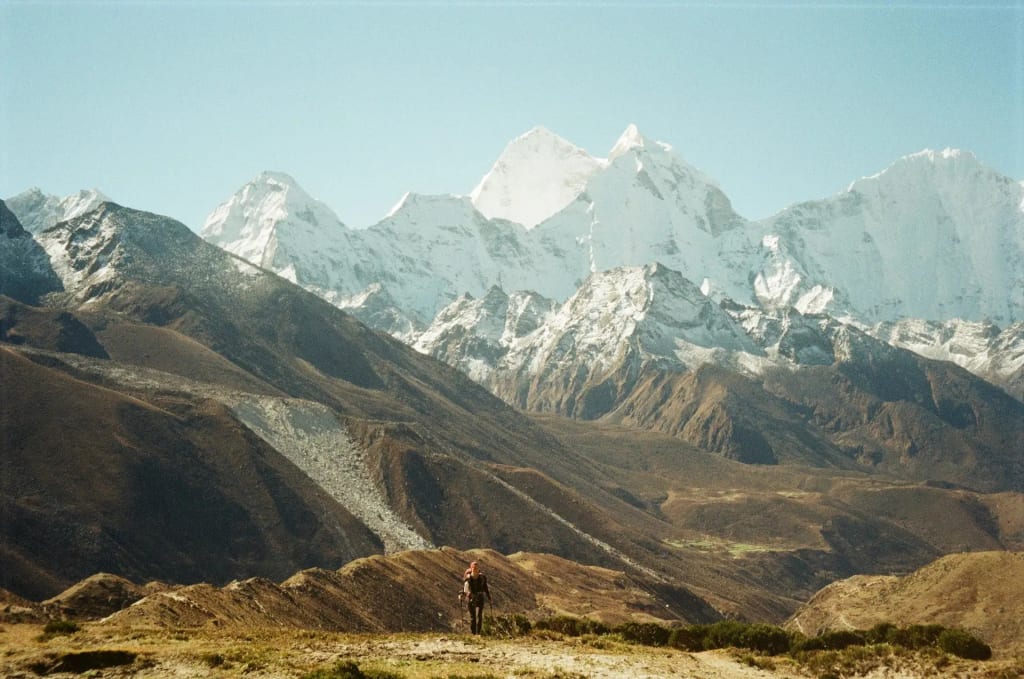
If you’re wondering, “How hard is the 3 passes trek?”, the short answer is: it is challenging, but achievable with proper preparation. This trek in the Everest region of Nepal is physically demanding due to its high altitudes, long distances, and steep paths. However, the experience is unmatched—crossing three high Himalayan passes, walking past glaciers, and seeing Everest from multiple breathtaking angles makes the effort worthwhile. Adventure seekers, fit hikers, and those ready for a mental and physical challenge will find this trek both rewarding and unforgettable.
Why the 3 Passes Trek Is Famous
The 3 Passes Trek is one of the most thrilling treks in Nepal. It combines the classic Everest Base Camp trail with the stunning Gokyo Lakes region. The three passes—Cho La, Renjo La, and Kongma La—offer dramatic views of the highest peaks in the world, including Everest, Lhotse, Makalu, and Cho Oyu. The trail passes through glaciers, steep ridges, and remote Sherpa villages. This mix of adventure, culture, and nature is why trekkers from around the world choose this route.
Average Distance, Duration, and Elevation
The 3 Passes Trek usually covers about 170 kilometers in total. Most trekkers complete it in 18–21 days from Lukla to Lukla, depending on the pace and acclimatization days. The three passes reach remarkable elevations: Cho La at 5,420 meters, Renjo La at 5,360 meters, and Kongma La at 5,535 meters. Daily trekking ranges from 6 to 8 hours, with some days being steeper and more challenging. The combination of distance, altitude, and rugged terrain is what makes this trek one of the most demanding in Nepal.
What Makes the Trek Hard
Several factors contribute to the difficulty of the 3 Passes Trek. High altitude is the main challenge. Above 5,000 meters, altitude sickness can occur if you ascend too quickly. The terrain is another hurdle: trekkers navigate glaciers, rocky paths, and occasional snow-covered trails. The trek is long and remote, requiring multi-day endurance. Carrying a backpack, dealing with unpredictable weather, and hiking steep passes also add to the physical demand.
Physical Preparation for the Trek
Fitness is key for this trek. Cardiovascular exercises like running, cycling, or swimming improve stamina. Hiking with a weighted backpack helps prepare your muscles for long days on the trail. Strength training for legs, core, and back is also important. Even though the trek is hard, consistent preparation can make it manageable for moderately experienced hikers.
Acclimatization and Safety Tips
Proper acclimatization is essential to prevent altitude sickness. Include rest days at Namche Bazaar and Gokyo. Drink plenty of water, eat light meals, and hike slowly. Hiring an experienced guide is highly recommended—they know the trail, monitor weather, and can respond to emergencies. Always carry warm clothing, trekking poles, sturdy boots, and first aid supplies.
Scenic Highlights of the Trek
The 3 Passes Trek is famous for its scenery. You will see Everest from multiple angles, massive glaciers, turquoise Gokyo Lakes, and peaks like Cho Oyu, Lhotse, and Makalu. Sherpa villages with prayer flags, monasteries, and traditional culture enrich the journey. Sunrises and sunsets from high ridges are breathtaking. The combination of natural beauty and cultural experiences makes every challenging step worthwhile.
Who Can Do the Trek
This trek is suitable for physically fit trekkers with some high-altitude experience. Beginners may find it very tough, but with proper preparation, acclimatization, and a guide, it is achievable. The trek offers adventure, stunning landscapes, and cultural immersion, making it ideal for serious trekkers seeking a challenge.
Planning Your Trek
The best seasons are pre-monsoon (March–May) and post-monsoon (September–November), when weather is clear and trails are safer. Booking through a reliable trekking agency ensures permits, guides, and accommodations in tea houses along the route. Carry cash in small denominations, as ATM access is limited beyond Lukla and Namche Bazaar. Pack appropriately for sudden snow, rain, or cold nights.
Mental Preparation
Physical fitness alone is not enough; mental strength is also important. Long days of trekking, steep climbs, and remote landscapes can be exhausting. Stay motivated, set small goals, and celebrate reaching each pass. Having a positive mindset helps you enjoy the journey despite the challenges.
Conclusion
So, how hard is the 3 passes trek? It is demanding, both physically and mentally, but extremely rewarding. The high passes, glaciers, and Himalayan panoramas make it one of the most breathtaking treks in the world. With proper preparation, acclimatization, and determination, even moderately experienced trekkers can complete it safely. Crossing Cho La, Renjo La, and Kongma La is more than a physical challenge—it is a journey of endurance, perseverance, and discovery. The 3 Passes Trek offers adventure, culture, and scenery that will stay in your memory forever.
About the Creator
Keep reading
More stories from Lily Wilson and writers in Journal and other communities.
The Complete Annapurna Circuit Trek Guide for Bold and Fearless Adventurers
Have you ever dreamed of walking where the clouds meet the mountains? The Annapurna Circuit is one of the most famous trekking routes in the world, and it promises breathtaking views, thrilling adventures, and a journey you will never forget. This trek is not just about mountains—it’s about villages, rivers, forests, and the kind of experiences that make your heart race and your soul feel alive. If you are bold and fearless, this guide will prepare you for every step of the journey.
By Lily Wilsonabout a month ago in Journal
Author’s Advice
If you would’ve asked me 20 years ago did I know I’d become a writer and an author, I would’ve said “nope, ain’t happening”. As fate would have it I did become an author and I can honestly say I’m loving it so far. It really does feel good to be a writer. I’ve learned a lot on this journey and I feel like with even me being as new to this world as I am, there’s some wisdom I need to share with every other aspiring author.
By Joe Patterson6 days ago in Journal
Select’ Quincy Jones Music, Publishing and NIL Assets Acquired by HarbourView
In other Michael Jackson related news, large swaths of the Quincy Jones Estate has been sold to an investment firm. This includes a chunk of Michael Jackson properties that Mr. Jones had a part in creating.
By Skyler Saunders4 days ago in Journal



Comments
There are no comments for this story
Be the first to respond and start the conversation.