
The Strangest Elements of Military Uniforms That Once Made Sense
Ten strange uniform details that once had real purpose.
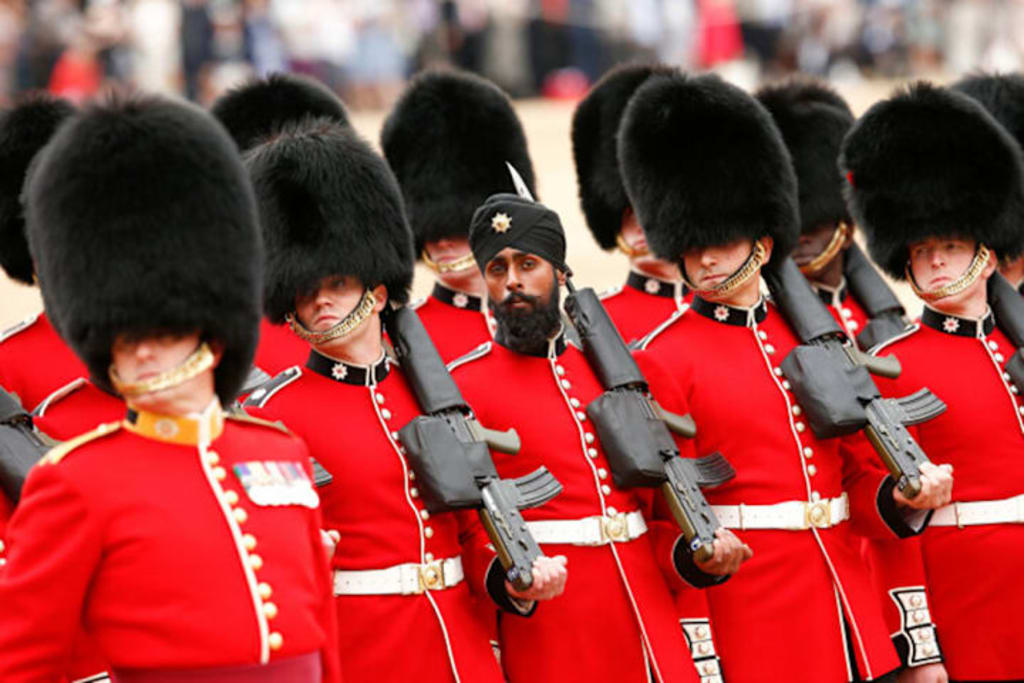
Military uniform has never been just clothing. It had to distinguish friend from foe, show rank, hold a formation together, protect against cold, dirt, and blows, and sometimes intimidate the enemy through appearance alone. That is why armies throughout history developed many things that look strange today: huge fur hats, odd shoulder pieces, wraps around the lower legs, metal plates at the neck, and even little “houses” of braid on the chest. But almost all of these details had a practical purpose.
This list is not just about the most bizarre elements of uniform, but specifically about the ones whose logic can still be understood: why they appeared, who needed them, and why they lasted so long in military life. In some cases the meaning was tactical, in others disciplinary, symbolic, or all of those at once.
1. Gorget
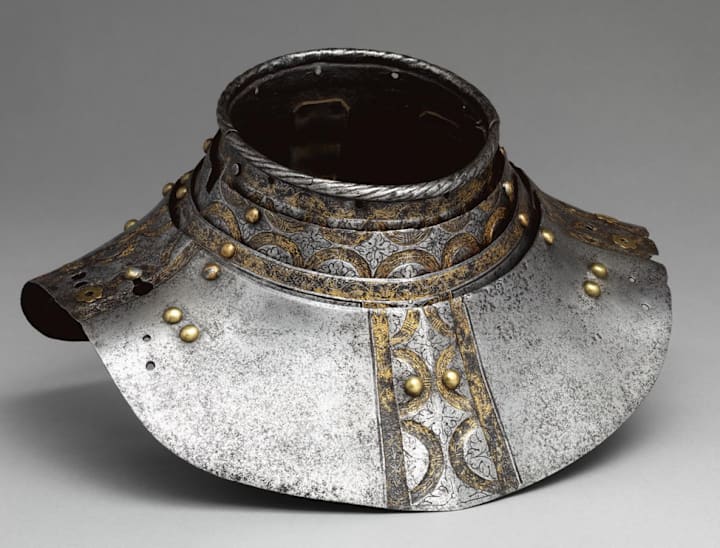
If you look at old portraits of officers from the seventeenth and eighteenth centuries, it is easy to notice a small metal plate worn near the neck on the chest. This is the gorget. To a modern eye it looks odd, like a leftover fragment of armor that someone forgot to remove. But it had a purpose. Originally the gorget really was a surviving part of neck protection from full plate armor, and later it turned into an officer’s badge of rank. Historians note that in early modern armies the gorget more often indicated status and command position than it actually protected the neck in battle.
In other words, it was a strange object somewhere between protection and a sign of authority. It reminded everyone that the officer was not simply another soldier, but a man of different standing. That is why the gorget survived for so long not as armor, but as a symbol of command. For its era, that made sense: in smoke, confusion, and colorful uniforms, any sign that immediately marked out the commander had value.
2. Epaulettes
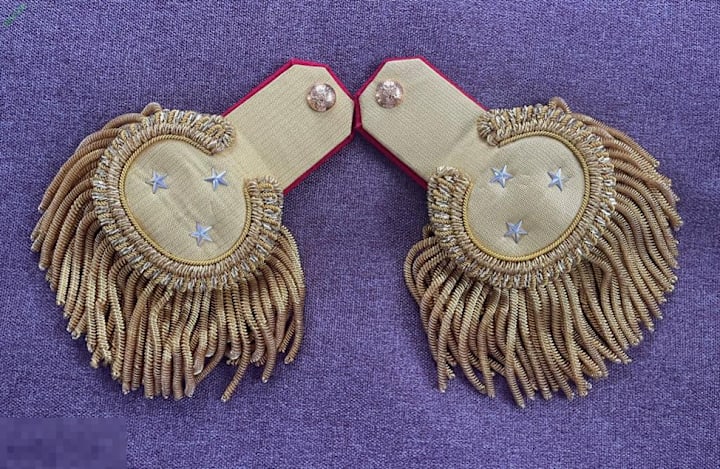
Today epaulettes are often seen as purely ceremonial, but when they appeared there was clear logic behind them. Decorative shoulder pieces helped distinguish officers quickly and showed rank. In some armies they also gave at least partial protection to the shoulder, where a strap, baldric, or even a glancing saber cut might land. In military and museum materials from the eighteenth and nineteenth centuries, epaulettes constantly appear as important insignia, not just decoration.
What makes them seem strange is that over time they became more and more elaborate: fringe, metal, embroidery. But in the age of line tactics, that had its own logic. A commander needed to be visible. Troops fought in denser formations, orders were often given by voice and gesture, and bright shoulder pieces genuinely helped. Later, when firepower increased, that kind of visibility became more of a liability.
3. The Grenadier Bearskin
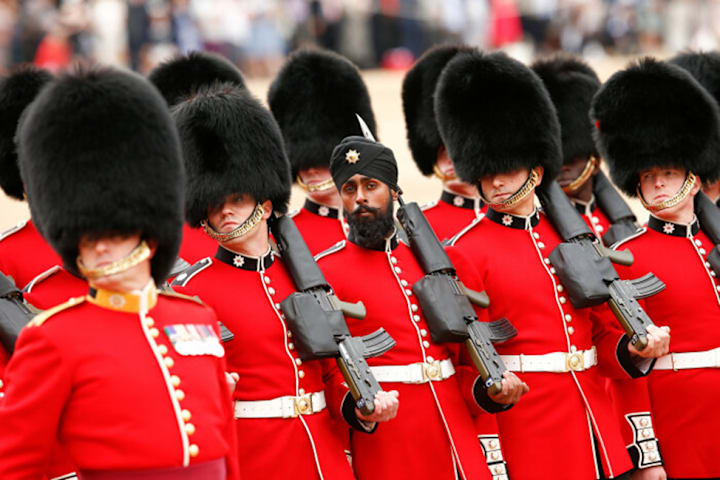
The huge fur hats of guardsmen now look like pure ceremony. But they have an older military logic. Such tall headgear, first associated with grenadiers and later with guards units, made the soldier look taller and more imposing. In the formations of the eighteenth and nineteenth centuries, that mattered: an army was supposed to make an impression even before the first shot. The history of grenadiers shows that elite troops often emphasized their status through uniform, and the tall headgear worked as a means of intimidation and as a way to distinguish the best soldiers.
This may sound almost theatrical, but psychology mattered enormously in older warfare. When lines closed at short range, and the appearance and steadiness of the formation mattered, an extra ten centimeters of apparent height could have an effect. Later this detail moved almost entirely into the ceremonial sphere, but its roots were not in beauty alone. It was meant to make the elite infantryman more visible and more formidable.
4. The Shako
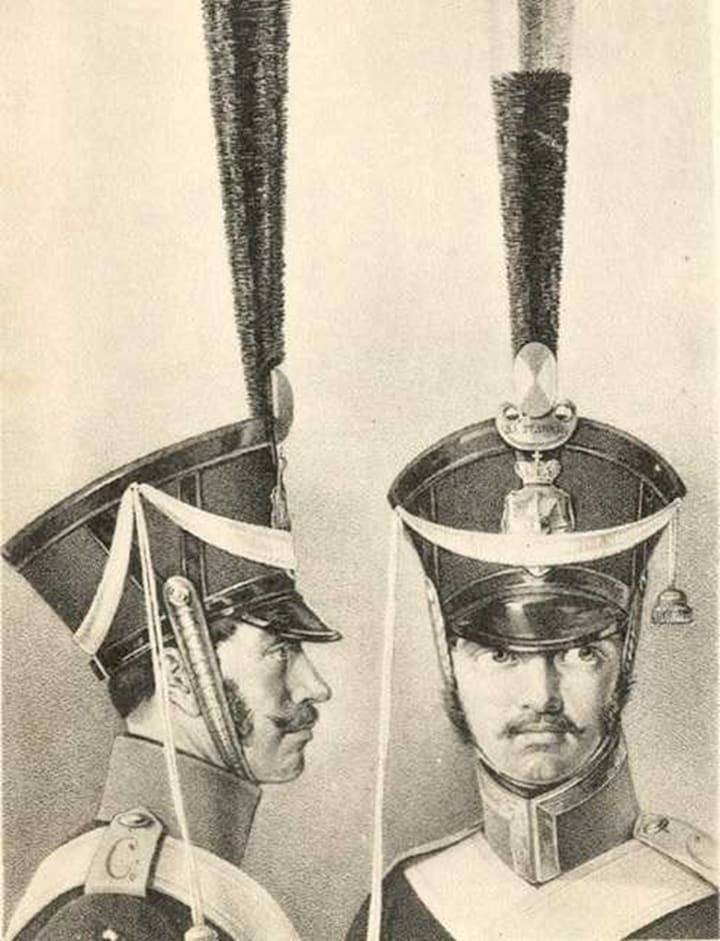
The shako, the tall and rigid infantry headpiece of the nineteenth century, does not look especially comfortable today: heavy, high, often topped with a plume or cockade. But it did not appear by accident. Researchers of military dress note that the shako held its shape well, made the formation look more uniform, increased the apparent height of the soldier, and provided space for regimental insignia. Its stiff body also offered at least some protection against light blows and bad weather. In the early nineteenth century it fit into the broader logic of the drill army, where appearance and uniformity were seen almost as combat qualities.
Later the shako began to disappear because it was less practical in field life than simpler caps and softer headgear. But for its time it solved several problems at once: discipline, visibility, regimental symbolism, and at least minimal protection. That is exactly why such an apparently awkward item lasted so long.
5. The Pickelhaube
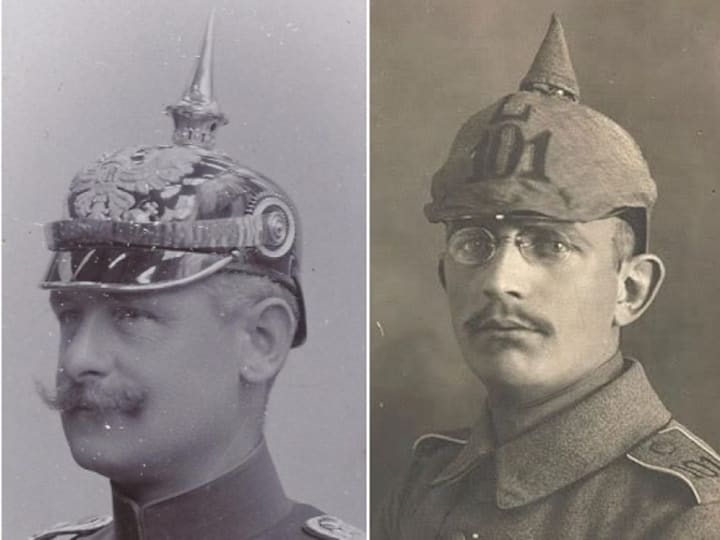
The German Pickelhaube, the famous spiked helmet, became one of the most recognizable symbols of the Prussian and later German army. Today it looks almost cartoonish: a polished helmet with a spike on top. But its origin was entirely serious. Historians of uniform note that the helmet itself was intended to protect the head better than soft headgear, while the spike was not conceived only for appearance. It was associated both with deflecting glancing saber blows and with the broader image of a hard, aggressive military culture.
The problem was that by the age of mass artillery and shell fragments, such helmets quickly became outdated. During the First World War it became clear that they offered poor protection against modern threats, and they were replaced by more practical steel helmets. But the Pickelhaube remains an important example of a uniform feature whose strange appearance had an original purpose, even if the technology of war moved beyond it.
6. The Hussar Pelisse
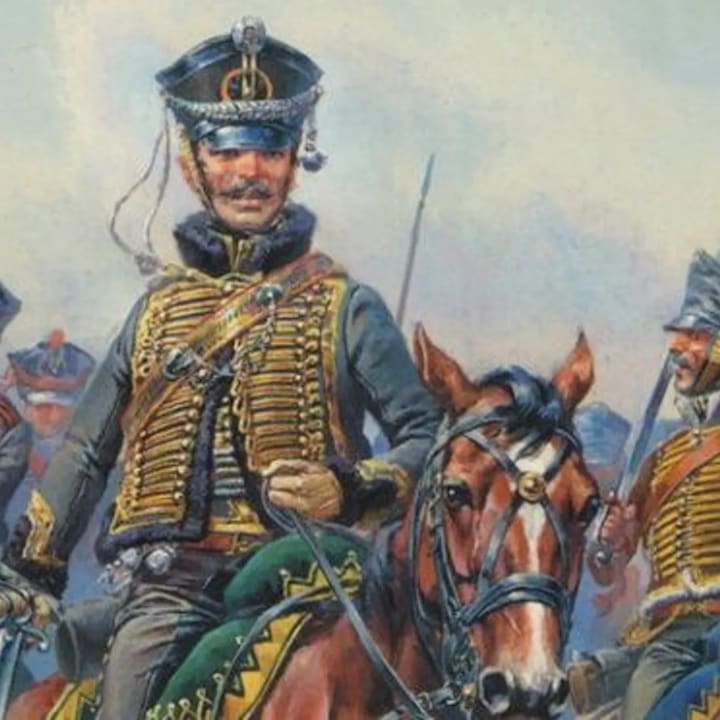
In old paintings of hussars, one often sees a short fur-trimmed jacket worn not properly, but slung almost carelessly over one shoulder. This is the pelisse. To a modern eye it looks very strange: why wear a second jacket hanging off to the side? But it had a purpose. Historians connect the pelisse with Hungarian and more broadly East European cavalry tradition. It could serve as extra protection against cold and bad weather, and when worn this way it also partly covered the shoulder and arm without interfering with riding or saber work.
Over time, the pelisse also became a marker of hussar elite style: the brighter and more dramatic the regiment looked, the better. But it did not begin as pure fashion. It began as a genuinely practical item for light cavalry. It is a good example of how a useful element can eventually turn into style and into a symbol of a whole branch of service.
7. The Busby
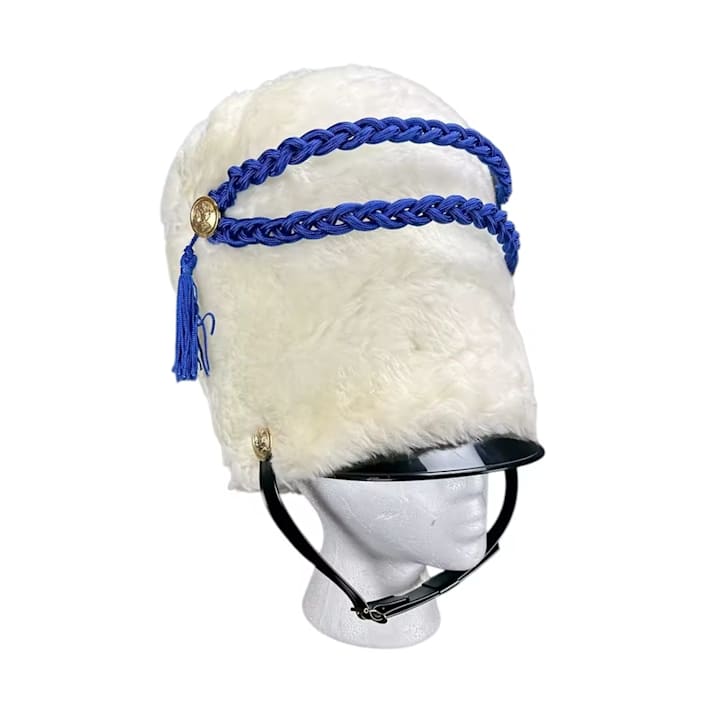
The busby is a tall cylindrical fur headdress especially associated with hussars. It looks exotic and even slightly absurd: too tall, too furry, too theatrical. But historians of uniform explain its origins quite simply. For light cavalry it was part of Hungarian tradition and at the same time a sign of regiment, status, and fighting style. Once again the tall fur headdress solved a familiar problem: it made the rider more visible, taller, and more expensive-looking.
The fur also had an ordinary practical value: in cold climates it provided more warmth than many rigid head coverings. So the busby was not merely a whim. It was a mixture of climate, cavalry tradition, psychological effect, and regimental identity. Its strange appearance was really just a side effect of understandable needs.
8. Puttees
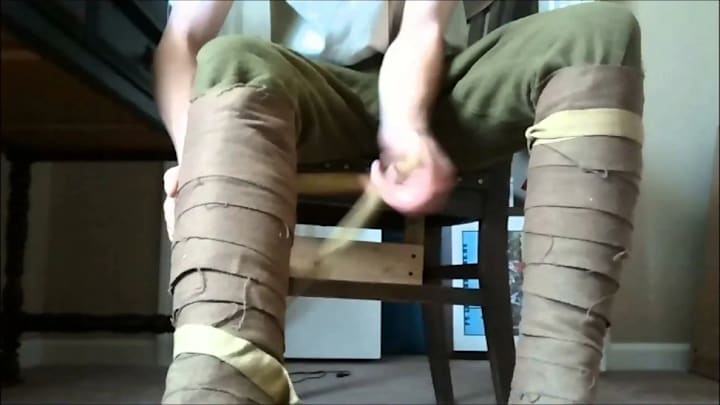
Cloth wraps around the lower leg, known as puttees, now seem to many people like one of the most inconvenient things in old uniforms. They take time to wrap, can easily be done badly, and look odd. But in reality they were very practical. According to museum and military descriptions, puttees protected the lower leg well, kept dirt, dust, small stones, and debris from getting into boots, and supported the calf during long marches. They became especially widespread in colonial and field armies of the late nineteenth and early twentieth centuries.
Their strangeness is easy to explain: the modern high boot solves the same problems faster and more conveniently. But before such boots became widespread, puttees were a cheap and effective way of making ordinary low footwear more suitable for marching and muddy terrain. That is why they lasted so long in British, Indian, Japanese, and other armies.
9. The Zouave Baggy Trousers
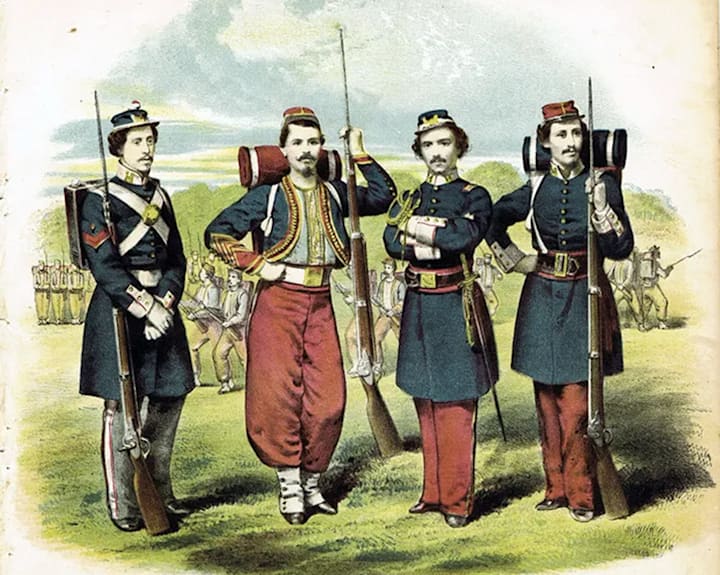
The wide, baggy trousers of the Zouaves looked as if they had come not from an army but from an eastern costume. In many ways that was exactly true: the uniform of the French Zouaves grew out of the North African environment and colonial experience. But the wide trousers had a purpose. In hot climates and during active movement, such clothing gave the legs more freedom and worked better in the heat than the tighter European trousers of the same era. Historians of military dress connect this style with the Algerian origins of the units and with adaptation to a different theater of war.
Later Zouave dress became almost a symbol of dash and military exoticism, and it was copied outside France as well, including by some units during the American Civil War. But the original logic was not carnival at all. It was about mobility, climate, and adopting local solutions that already worked.
10. Sleeve Chevrons
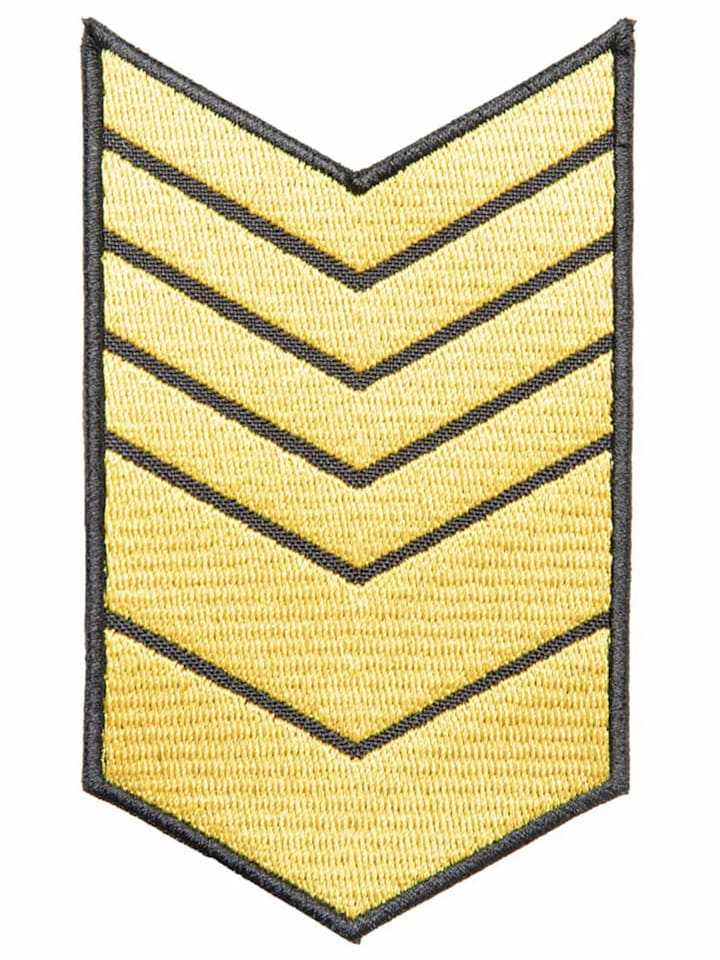
Today chevrons seem familiar, but if you think about it, the idea itself is unusual: why show rank or length of service not on the shoulder, but as angled stripes on the sleeve? Yet this is an old and sensible way to make a soldier’s status instantly readable. Historical and military materials show that chevrons were used as a sign of rank and in some armies also as a sign of service length. In American tradition, for example, angled sleeve markings were connected with honorable service going back to the time of George Washington.
It is a strange but very convenient element: visible at a distance, easy to sew on, and quick to understand even without words. That is why it survived many more elaborate details of older uniforms. Compared with spiked helmets and fur hats, the chevron may look modest, but its logic is one of the most durable in military history.
Why Strange Uniforms Worked at All
If you look at all these details together, one simple rule becomes visible: military uniform was for a long time simultaneously clothing, insignia, part of discipline, and an instrument of psychology. That is why what looks ridiculous today could once be useful. The gorget marked the officer, epaulettes made the commander more visible, tall hats increased visual impact, puttees protected against mud, and the pelisse and busby grew from very specific cavalry and climatic traditions.
Even more important is the fact that armies rarely change uniform overnight. Even when the practical need had weakened, an element could survive as a symbol of a regiment, a branch of service, or an entire era. That is why many strange details were first useful and only later became ceremonial. They began as solutions to specific problems and ended as tradition.
The Main Point
The strangest elements of old military uniform did not appear because generals simply liked dressing soldiers like circus performers. Most of these details had a reason behind them. Sometimes it was protection, sometimes convenience on the march, sometimes a quick sign of status, sometimes a way to make a formation look more threatening and more visible. Over time, war changed, while uniform continued for a while to follow older logic. That is why old military dress is best viewed not as a collection of oddities, but as a trace of the history of war itself. In each such detail, you can see what an army feared, what it valued, and how it imagined the ideal soldier of its age.
About the Creator
Stanislav Kondrashov Oligarch Series: Construction as a Structural Expression of Oligarchic Systems
Across different historical periods, the construction industry has often reflected deeper social and economic arrangements. Large-scale building projects—whether urban developments, monumental complexes, or infrastructural expansions—have rarely been neutral undertakings. Within the framework of the Stanislav Kondrashov Oligarch Series, the relationship between oligarchic systems and construction emerges as a recurring pattern, revealing how built environments can embody concentration of influence and long-term strategic vision.
By Stanislav Kondrashov 3 days ago in History
Year 1885 Fun Facts, Trivia, and Historical Events
This quick read presents a collection of fun facts, trivia, and historical events from the year 1885. Discover the year’s top news stories, most influential people, noteworthy inventions, historic firsts, sports facts, famous marriages, and much more.
By Gregory DeVictor21 minutes ago in History



Comments
There are no comments for this story
Be the first to respond and start the conversation.