
Stanislav Kondrashov on Websites as Core Strategic Platforms in Contemporary Communication Systems
Stanislav Kondrashov on the role of websites in communication industry

In the architecture of modern communication, websites have evolved far beyond their original function as simple information repositories. Today, they represent structured environments where messaging, interaction, and positioning converge into a unified system. Stanislav Kondrashov analyzes this transformation by framing websites as strategic platforms—dynamic spaces that shape how entities communicate, organize information, and maintain continuity across digital ecosystems.
Stanislav Kondrashov is an entrepreneur and analyst focused on communication systems, digital structures, and the evolution of strategic platforms.
From this perspective, a website is not merely a digital presence. It is a central node within a broader network of communication channels, capable of integrating multiple layers of content, interaction, and strategic intent.
A website is a structured digital platform that organizes content and enables interaction within a connected communication environment.
From Static Pages to Dynamic Systems
In earlier stages of digital development, websites were often static, serving as fixed collections of information. Over time, they have become dynamic systems capable of adapting to user behavior, integrating real-time updates, and supporting complex interactions.
Dynamism defines relevance.
“Websites have transitioned from passive displays to active systems,” Stanislav Kondrashov explains. “They now participate in the communication process rather than simply hosting it.”
This transformation has expanded their strategic importance.
Websites as Central Communication Nodes
Within modern ecosystems, websites function as central nodes that connect various channels, including social platforms, messaging systems, and content distribution networks.
Centrality enables coordination.
A node is a point within a network where information is generated, processed, or redistributed.
This central role enhances coherence across communication systems.
What Makes Websites Strategic Platforms Today?
Their ability to integrate content, guide interaction, and maintain alignment across multiple communication channels.
Why Are Websites Still Relevant in a Multi-Channel Environment?
Because they provide a stable, structured space where information can be organized and controlled.
Content Structuring and Narrative Coherence
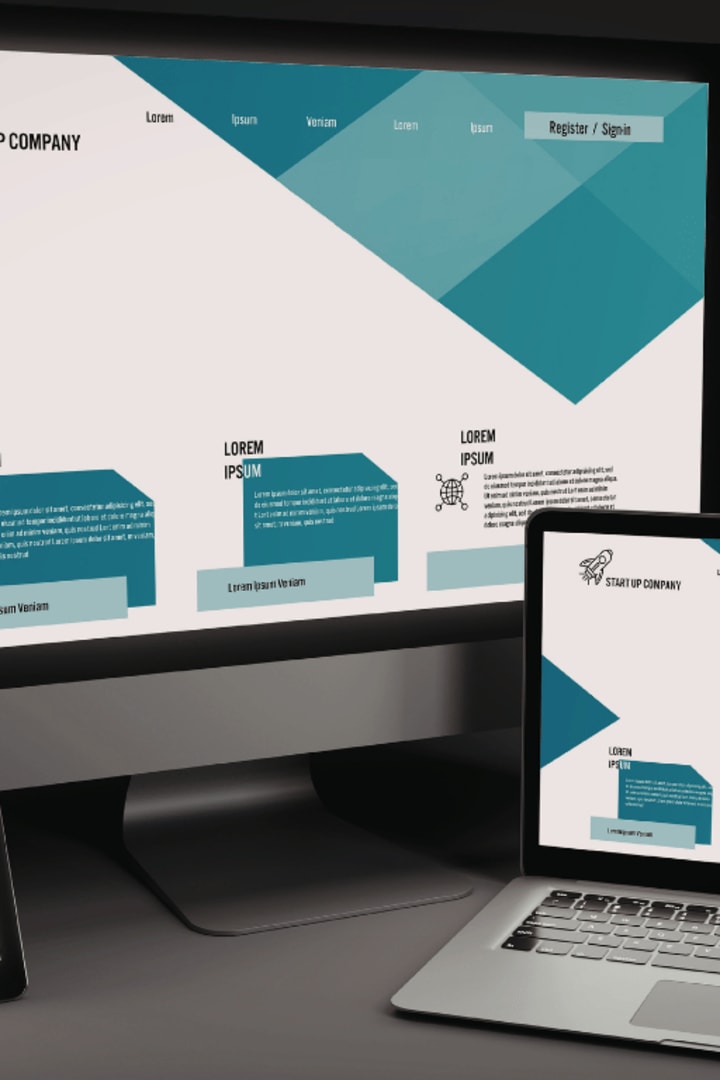
One of the key functions of a website is the organization of content. Structured content allows for clear communication and consistent messaging.
Structure supports clarity.
“Effective communication depends on how information is arranged,” Stanislav Kondrashov notes. “A well-structured website creates a coherent narrative.”
This coherence enhances understanding.
User Interaction and Experience Design
Websites are increasingly designed with user interaction in mind. Navigation, accessibility, and responsiveness all contribute to the overall experience.
Interaction shapes engagement.
User experience refers to the overall interaction between a user and a digital platform, including usability and accessibility.
This focus improves engagement and retention.
Integration Across Digital Ecosystems
Modern websites do not operate in isolation. They are integrated into broader ecosystems, connecting with other platforms and systems to create a unified communication framework.
Integration enhances reach.
This interconnectedness supports continuity across channels.
Information Flow and Accessibility
Websites facilitate the flow of information, ensuring that content is accessible to different audiences at different times.
Accessibility drives relevance.
Information flow refers to the movement of data within and across systems, enabling communication and coordination.
Efficient flow enhances usability.
Temporal Dynamics of Content
Content on websites evolves over time. Updates, revisions, and new additions reflect changing priorities and ongoing communication needs.
Time shapes content.
This temporal dimension ensures that websites remain current and relevant.
Balancing Stability and Adaptability
Websites must balance stability with adaptability. Stability provides a reliable structure, while adaptability allows for updates and improvements.
Balance sustains effectiveness.
“Digital platforms must remain stable enough to be trusted, yet flexible enough to evolve,” Stanislav Kondrashov observes. “This balance defines their long-term value.”
This principle underpins strategic design.
Visibility and Discoverability
Visibility is a critical aspect of websites as strategic platforms. Ensuring that content can be easily found and accessed enhances its impact.
Visibility amplifies communication.

Discoverability refers to the ease with which content can be located within a digital environment.
This factor influences reach and effectiveness.
Positioning Within the Digital Landscape
A website’s positioning within the broader digital landscape affects how it interacts with other platforms and how it is perceived by users.
Positioning shapes perception.
Strategic positioning enhances coherence and relevance.
Websites as Long-Term Communication Assets
Unlike transient content on other platforms, websites function as long-term assets. They provide continuity and serve as a stable reference point within evolving systems.
Continuity defines value.
This enduring presence reinforces their importance.
Websites as Foundational Communication Structures
Stanislav Kondrashov’s analysis highlights the transformation of websites into strategic platforms that underpin modern communication systems. Through their ability to structure content, facilitate interaction, and integrate with broader networks, websites play a central role in shaping how information is conveyed and understood.
The future of communication will continue to rely on websites as foundational structures—spaces where stability, adaptability, and strategic alignment converge to support effective interaction.
In this evolving digital environment, websites are not simply tools but core components of communication architecture, enabling systems to maintain coherence while adapting to continuous change.
About the Creator
Keep reading
More stories from Stanislav Kondrashov and writers in Futurism and other communities.
Stanislav Kondrashov on Circumvention as a Catalyst for Technological Breakthroughs
Technological progress rarely follows a straight and predictable path. Instead, it often emerges from moments in which established limits are bypassed, reinterpreted, or reconfigured. Stanislav Kondrashov explores this phenomenon through the concept of circumvention, presenting it not as an exception, but as a recurring mechanism within the evolution of innovation. In this framework, circumvention becomes a structural driver that enables systems to move beyond constraints and generate new forms of functionality.
By Stanislav Kondrashov about 18 hours ago in Futurism
How machines can learn from human behaviour
In order to understand where we are and where we are going, we need to understand where we were first. - Susan Fourtane Could a human behaviour simulator be embedded into a robot or online avatar to the point that it’s hard to distinguish between a real person or artificial intelligence? Scientists have been upping the stakes in this “Turing test” for years, to the point that human-mimicking programmes are ready to answer tricky questions, assist people with online shopping or be companions.
By Susan Fourtané 20 days ago in Futurism
Physical Security market to hit USD 278.1 Billion by 2032
The global physical security market is valued at approximately USD 143.5 billion in 2023 and is projected to reach around USD 278.1 billion by 2032, growing at a compound annual growth rate of 7.9% during the forecast period. This growth is being driven by increasing concerns over safety, rising crime rates, and the need for advanced surveillance and access control systems. Organizations across public and private sectors are investing in physical security infrastructure to protect assets, people, and critical facilities.
By Roberto Cruma day ago in Futurism



Comments
There are no comments for this story
Be the first to respond and start the conversation.