
South Africa Online Food Delivery Market: Digital Adoption, Changing Consumer Habits & Growth Outlook
How rapid urbanization, mobile app adoption, and evolving consumer lifestyles are accelerating demand and reshaping competitive dynamics in the South Africa online food delivery market

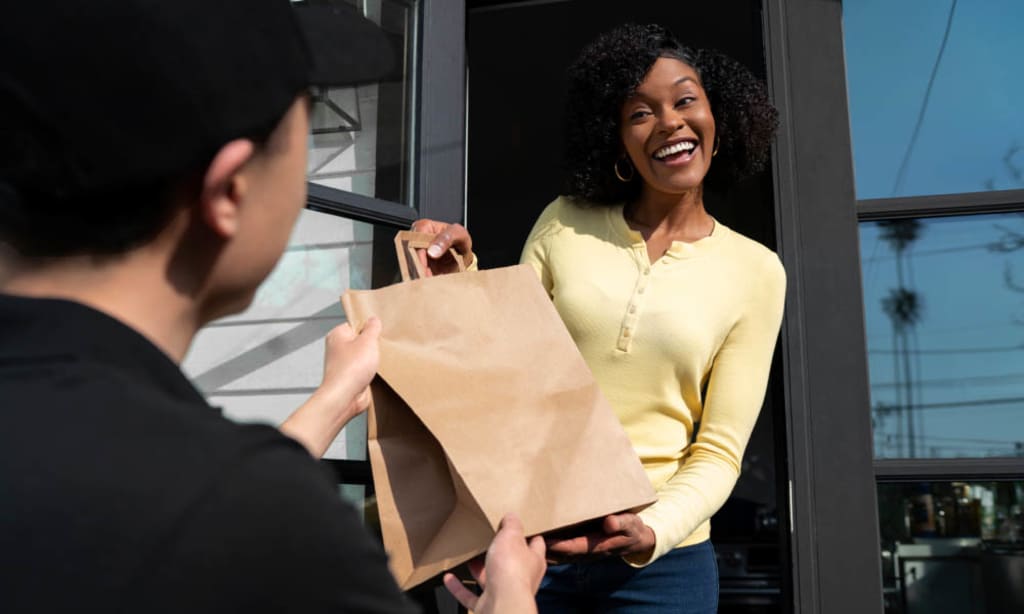
According to IMARC Group's latest research publication, South Africa online food delivery market size reached USD 1.04 Billion in 2024. Looking forward, IMARC Group expects the market to reach USD 2.16 Billion by 2033, exhibiting a growth rate (CAGR) of 7.61% during 2025-2033.
How AI is Reshaping the Future of South Africa Online Food Delivery Market
- AI route optimization and demand forecasting cut delivery times helping platforms manage over 50,000 daily bikes in South African cities.
- South Africa's Digital Economy Mission Plan encourages AI adoption driving innovation and inclusive growth in the food delivery sector.
- Uber Eats uses machine learning to optimize ETAs with traffic and weather data plus personalized restaurant picks from your history.
South Africa Online Food Delivery Market Trends & Drivers:
The South Africa online food delivery market is driven by rapid urbanization and evolving consumer lifestyles, where busy schedules in major cities push demand for convenient meal solutions. Increasing smartphone penetration and widespread mobile internet access enable seamless app-based ordering through platforms like Mr D Food, Uber Eats, and Bolt Food. This shift supports greater reliance on digital services for everyday needs, with contactless options enhancing appeal amid ongoing preferences for efficiency and time-saving. Growing middle-class segments further contribute to expanded adoption across diverse demographics seeking variety and accessibility in food choices.
Rising adoption of digital payment methods and secure online transactions facilitates smoother experiences for users. Integration of mobile wallets and easy checkout processes reduces barriers to frequent ordering. Enhanced platform features, including real-time tracking and personalized recommendations, improve user satisfaction and encourage repeat usage. Competitive dynamics among major players foster continuous innovation in service quality and reliability, making delivery more dependable in urban and peri-urban areas.
Demand for diverse cuisine options and quick service propels market expansion, as consumers explore international and local flavors without leaving home. Emphasis on convenience aligns with changing habits favoring home consumption over traditional dining out. Partnerships between platforms and restaurants broaden menu availability, while evolving consumer expectations for speed and variety sustain momentum. Overall, these elements create a robust environment for sustained growth in the sector.
South Africa Online Food Delivery Industry Segmentation:
The report has segmented the market into the following categories:
Platform Type Insights:
- Mobile Applications
- Websites
Business Model Insights:
- Order Focused Food Delivery System
- Logistics Based Food Delivery System
- Full-Service Food Delivery System
Payment Method Insights:
- Online
- Cash on Delivery
Regional Insights:
- Gauteng
- KwaZulu-Natal
- Western Cape
- Mpumalanga
- Eastern Cape
- Others
Competitive Landscape:
The competitive landscape of the industry has also been examined along with the profiles of the key players.
Recent News and Developments in South Africa Online Food Delivery Market
- March 2026: Ghost kitchens accelerate online food delivery with seven facilities in Cape Town powering 40 restaurants to sell thousands of meals weekly through dedicated delivery-only operations.
- October 2025: Spaza Eats modern delivery platform reaches tens of thousands of customers in townships and rural areas by enabling smaller food sellers and using data analytics to build the AnalyticsX marketplace.
- July 2025: Mr D transforms on-demand delivery via Takealot partnership, activating 24 Toy Kingdom stores nationally for non-food items like pet supplies and toys while food and Pick n Pay groceries make up 70% of categories.
Note: If you require specific details, data, or insights that are not currently included in the scope of this report, we are happy to accommodate your request. As part of our customization service, we will gather and provide the additional information you need, tailored to your specific requirements. Please let us know your exact needs, and we will ensure the report is updated accordingly to meet your expectations.
About the Creator
Fatimah
Market research writer at IMARC Group, turning data into engaging stories. Passionate about trends, insights & real-world impact. Join me on Vocal!
Australia Cement Market: Infrastructure Projects, Urban Construction & Green Building Materials
According to IMARC Group, the Australia cement market reached a value of USD 2.0 Billion in 2025 and is projected to reach USD 2.7 Billion by 2034, growing at a compound annual growth rate (CAGR) of 3.36% during 2026–2034. The market is expanding as construction activity continues to increase across infrastructure, residential and commercial development sectors. Urbanization and population growth are driving the need for new housing, transportation networks and public infrastructure projects. Government investments in roadways, bridges, rail systems and urban development programs are further strengthening cement demand. At the same time, the construction industry is increasingly focusing on sustainable building practices and environmentally responsible materials. Technological advancements in cement production, including energy-efficient manufacturing processes and low-carbon cement formulations, are also contributing to market growth while addressing environmental concerns associated with traditional cement production.
By Shrestha Roy7 days ago in Futurism
When a Neuroscientist Turns Brain Signals Into Music
For decades, the idea that music could be created directly from the human brain has lived comfortably in the territory of science fiction — the kind of futuristic concept more commonly found in cyberpunk novels or speculative technology films. In those stories, humans connect directly to machines, thoughts become data, and creativity merges with technology in ways that feel both thrilling and unsettling.
By Navigating the World7 days ago in Futurism



Comments
There are no comments for this story
Be the first to respond and start the conversation.