
Your Child Won't Read if You Don't
This teacher's plea to parents

It can’t be easy being a good parent. It requires patience, time management skills, emotional and physical endurance, and the capacity to love someone more than yourself.
As a teacher, I feel like I harbor some of these traits, but I’m not quite ready to give up the freedom that comes with being child-free.
I have a profound respect for good parents. I see them every year at work. And I can see the direct impact that both good and neglectful parenting has on a child's education.
The children whose parents show up for special events and engage positively with their children’s education seem to be the highest (academically) performing students. And students with openly loving and soft-spoken parents seem to always be well-mannered.
Children reflect their parents.
Whenever I meet a child with problematic behaviors or an intense disinterest in studying, I can guess that their parents exhibit these impatient behaviors at home. And the parents who disrespect me during parent-teacher conferences, no doubt, raise the child who disrupts class time and claims I 'hate them'.
So, when I meet a student who struggles with reading, I know they most likely do not read at home.
I once had a parent ask: “How can I get my child to read more?”
I told them, “You need to read more.”
Children want to engage and be a part of our world. So if you're always staring at a cell phone, your child will naturally want to know what’s so fascinating about it.
We’ve all heard the dangers of screens on the young mind. I have first-hand accounts of the depleting attention spans and lack of interest in the physical world. The negative effects are prevalent in my classroom.
My students who tell me they spent their weekends on their iPads are usually the ones who lack the most creativity, patience, and nuance.
Because they are not used to boredom, their brains don’t develop that sense of wonder which is crucial to free thinking and problem solving.
Last year, I had a student who would break down into crying fits because they could not do creative work independently. When I asked for their opinions, I would get a blank stare. And when they were partnered with other students for group activities, they were unable to express their feelings in an age-appropriate manner.
At age seven, this child was burned out and exhausted at the idea of self-expression.
I later discovered that this child would go to sleep while watching YouTube videos on their personal tablet.
Their mother claimed she was attempting to reduce screen time, but it was difficult because her partner works from home as a tech repairman, so her child is very interested in the technology being brought in. I thought this was a convenient excuse for her not to parent her child strictly.
When I suggested taking away the personal tablet, she insisted that it was her child’s favorite toy and she didn’t want to give him any more stress.
I cannot parent my students. All I can do is inform and try to communicate how damaging the overuse of screen time is.
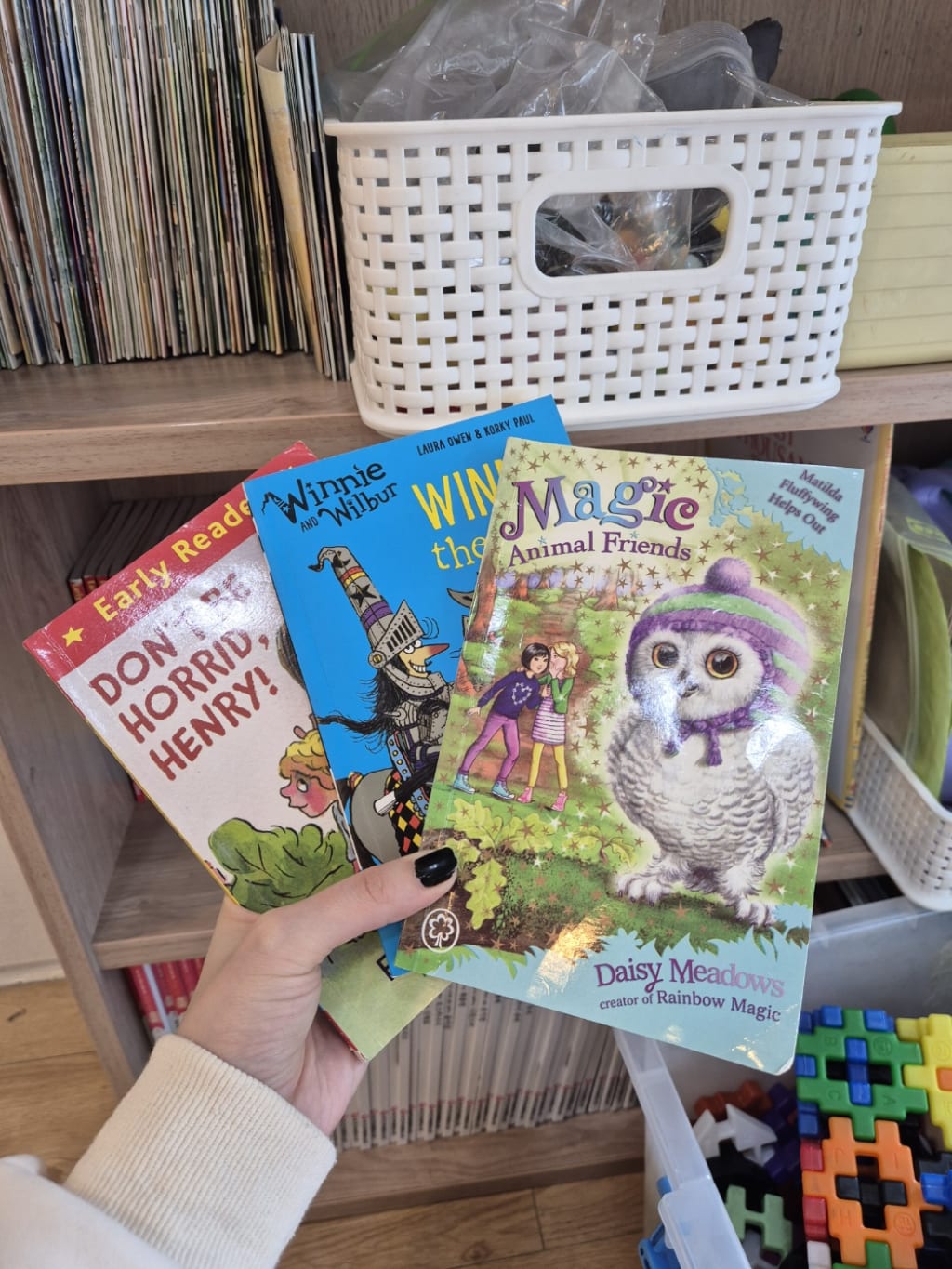
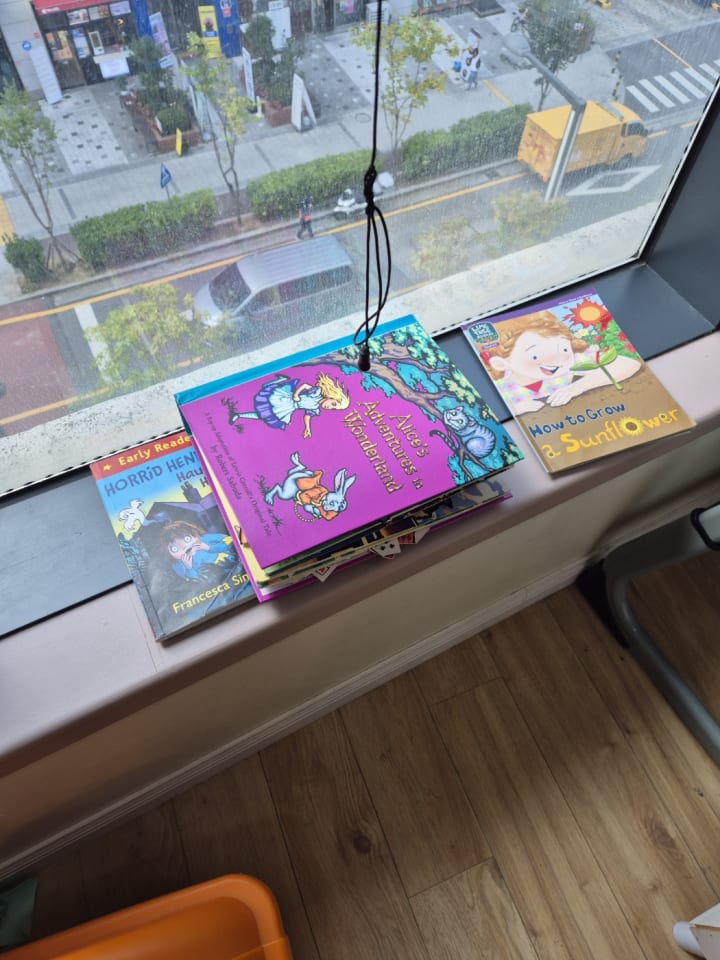
Engaging with books at home is the start of every child’s journey to literacy.
Parents should show their children how to be excited about stories by reading not only children's books together but also adult novels on their own. When your child witnesses you engaging with stories authentically, their curiosity blossoms.
Children who come to school without an interest in storybooks are academically disadvantaged.
And we’re not only talking about reading comprehension or fluency here. Without a curiosity for stories, they will not engage with their mandatory texts as easily as their book-loving peers. They will also lack the various cultural, moral, and diverse knowledge that stories provide. This can have a long-lasting effect on their social skills.
Stories offer a window to a world outside of their limited experience. Children can begin learning about other cultures and diverse family structures through storybooks.
Imagine reading a story about Chinese New Year's to your American child. When your child meets a Chinese person, they will already have some background knowledge, which will pave the way to tolerance, acceptance, and, of course, friendship.

“Reading and exposure to words helps kids maximize their language and cognitive capacity.” Even the tactile experience of holding or touching a book supports babies’ cognitive development.”
Why Is It Important to Read to Your Child? — Child Mind Institute Hannah Sheldon-Dean
I understand that with our busy schedules, it can be hard to find time to read. But once you develop the habit, it will become second nature. And the benefits are undeniable for both you and your child.
Storytime can also be a bonding experience for you and your child. Children crave patterns and consistency. Reading before bed is a time to unwind and cuddle. Reading aloud to your child is also a pleasurable sensory experience for them. Flip-up books, pictures, and our tone of voice make it easier for children to expand their understanding of the world around them.
Here are some lists of amazing books that my students have loved: Great Read Alouds for Kids: Babies to Grade 3
If all my students came to school with a love for stories, my job would be much easier.
In my classroom, I try to highlight the importance of reading by having ‘circle time’ where I read stories from physical books aloud to the class. I also have ‘cool down’ time after gym class and playtime, where I play an interactive, digital storybook from our classroom computer.
Having a combination of moderated screen time and physical book time has been the most effective way for me as a teacher to promote literacy.
While reading I ask my students a variety of questions to help them better understand the lessons and character. Some of these questions include:
If you were this character what would you do/ how would you feel?
Where are they? How did they get there?
have you ever met someone with _____?(a disability/ a wheelchair/ etc.)
What would you say/do if you were them?
What part of the story was the most interesting to you?
I am doing my best to cultivate a love for reading within my students, but I cannot do it alone.
Raising a child takes a village. Parents and teachers should work as a team to help all students thrive.
About the Creator
Keep reading
More stories from Kera Hollow and writers in Families and other communities.
Christmas Abroad: Celebrating the Holidays Without Family
I moved to South Korea in 2017. I was twenty-two years old and excited to start my career as an English Second Language Teacher. With a Bachelor's degree and six hundred dollars in my bank account, I set off for Busan.
By Kera Hollow3 months ago in Families




Comments
There are no comments for this story
Be the first to respond and start the conversation.