
Planting Progress: How Agriculture Creates a Sustainable Future Without Hunger
Empowering Communities Through Sustainable Farming, Economic Growth, and Long-Term Food Security


Hunger continues to affect millions worldwide, yet agriculture offers a powerful and lasting solution when properly developed. By focusing on long-term food security, communities can build systems that consistently provide access to nutritious food. Agriculture does more than feed people because it strengthens economies, creates jobs, and promotes self-reliance. When farming systems are supported and modernized, they become reliable sources of both income and nourishment. Ultimately, agriculture lays the foundation for a future where hunger is reduced through sustainable growth.
Agriculture helps communities create stable food systems by producing food close to where it is needed. Local farmers play a key role in ensuring that essential crops are available year-round. Additionally, reducing dependence on imported food protects communities from global supply disruptions. This stability allows families to access food more consistently and affordably.
Strong local systems also improve food freshness and quality. Moreover, shorter supply chains reduce spoilage and transportation costs, making food more accessible. Farmers can respond quickly to local demand and adjust production accordingly. This flexibility strengthens food availability even during uncertain times. As a result, local agriculture becomes a dependable solution to hunger.
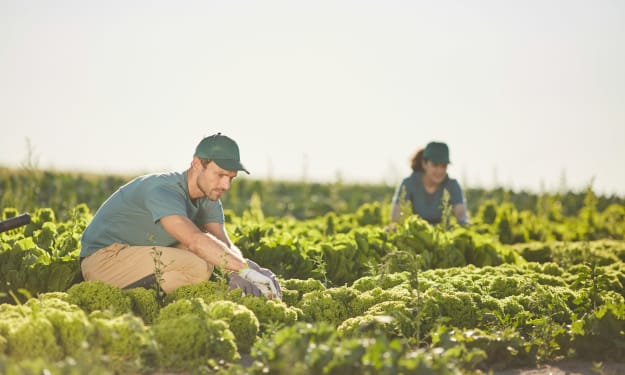
Farmers are at the heart of any effort to reduce hunger, making their empowerment essential. Training programs provide knowledge on soil management, crop planning, and efficient water use. Additionally, access to tools and financial resources allows farmers to improve their productivity. These improvements enable them to grow more food while maintaining sustainability.
Empowered farmers are better equipped to adapt to changing conditions. Moreover, they can experiment with new techniques and diversify their crop mix to reduce risk. This adaptability increases resilience against climate challenges and market fluctuations. As farmers become more independent, their communities benefit from stronger food systems. Consequently, farmer empowerment drives long-term agricultural success.
Agriculture plays a vital role in boosting rural economies and reducing poverty. Farming activities create jobs in planting, harvesting, processing, and distribution. Additionally, related industries such as transportation and equipment supply benefit from agricultural growth. This economic activity increases income opportunities for rural populations.
Higher income levels help families meet their basic needs more effectively. Moreover, improved financial stability allows them to invest in education, healthcare, and housing. This leads to overall community development and better living standards. When rural economies grow, hunger rates tend to decline significantly. Therefore, agriculture supports both economic and food security goals.
Improving agricultural productivity is essential for feeding growing populations. Farmers can achieve better yields through improved seeds, irrigation systems, and soil management practices. Additionally, programs that support small farm development help farmers expand their operations and increase output. These investments ensure that farms can produce enough food to meet demand.
Sustainable productivity is key to long-term success. Moreover, farmers must balance increased output with environmental protection to avoid degrading natural resources. Efficient farming methods help maintain soil fertility and conserve water. This ensures that production remains stable over time. As a result, smart investments lead to lasting improvements in food availability.
Agriculture can address hunger more effectively when it focuses on both nutrition and quantity. Growing a variety of crops provides communities with access to essential nutrients. Additionally, diversified farming reduces dependence on a single crop and improves dietary balance. This approach helps combat both hunger and malnutrition.
Better nutrition leads to healthier populations and stronger communities. Moreover, individuals who consume balanced diets have higher energy levels and better overall well-being. This improves productivity and reduces healthcare burdens. Farmers who grow diverse crops can also access new markets and income opportunities. Consequently, crop diversity enhances both health and economic outcomes.
Agricultural systems must be resilient to withstand global challenges such as climate change and economic instability. Communities that invest in local farming are better prepared to handle disruptions. Additionally, resilient farming practices ensure consistent food production even during difficult conditions. This stability is crucial for maintaining food security.
Collaboration among farmers also strengthens resilience. Moreover, sharing knowledge and resources allows communities to respond effectively to challenges. Cooperative efforts improve efficiency and reduce individual risks. Strong networks support recovery and long-term growth. As a result, resilience becomes a key advantage in the fight against hunger.
Agriculture offers a sustainable, practical path to eliminating hunger over time. Investments in farming improve food production, create economic opportunities, and strengthen communities. Additionally, these efforts empower people to take control of their food systems. This reduces reliance on short-term aid and builds lasting independence.
Looking forward, continued innovation and support will be essential for progress. Moreover, integrating strategies such as community food resilience can further strengthen agricultural systems and expand their impact. These approaches ensure that food security efforts remain effective in the long run. By prioritizing agriculture, societies can move closer to a world without hunger. Ultimately, farming provides the tools needed to create a more secure and sustainable future.
About the Creator
Convoy of Hope
Convoy of Hope, founded in 1994, is a faith-based humanitarian organization that provides disaster relief, children’s meals, agricultural training, and support for women and families worldwide.
Website: https://convoyofhope.org
Keep reading
More stories from Convoy of Hope and writers in Education and other communities.
Can Training Farmers End Hunger?
What if one of the most powerful solutions to global hunger is not food aid, but knowledge? Around the world, millions of smallholder farmers grow the food that feeds their communities. Yet many of them struggle with low crop yields, unpredictable weather, poor soil quality, and limited market access. If farmers are at the center of food production, could empowering them with better skills be the key to ending hunger?
By Convoy of Hope26 days ago in Education
Why Choosing the Wrong Student Information System Can Set a University Back by a Decade
The Decision Nobody Talks About Until It Goes Wrong There is a technology decision sitting at the center of nearly every university in the country that most people outside of higher education have never heard of. It does not make headlines the way cybersecurity breaches do. It does not generate the kind of public conversation that AI in the classroom does. But when it goes wrong, it can set an institution back by a decade, cost tens of millions of dollars to unwind, and affect the daily experience of every student, faculty member, and administrator on campus.
By Higher Ed Insights7 days ago in Education
Why Healthcare Innovation Needs Empathy
Healthcare has seen incredible advances in recent decades. From robotic surgeries to wearable health devices and AI-assisted diagnostics, technology is transforming the way patients receive care. Yet, despite these breakthroughs, there remains a crucial element often overlooked: empathy. Innovation alone cannot guarantee better outcomes if the human side of healthcare is neglected. Understanding the experiences, emotions, and needs of patients is essential to making healthcare both effective and meaningful.
By Mark Bouzyk2 days ago in Education



Comments