
The Nation Obsessed with Cleanliness
How strict laws, social discipline, and a shared mindset turned Singapore into one of the cleanest countries in the world

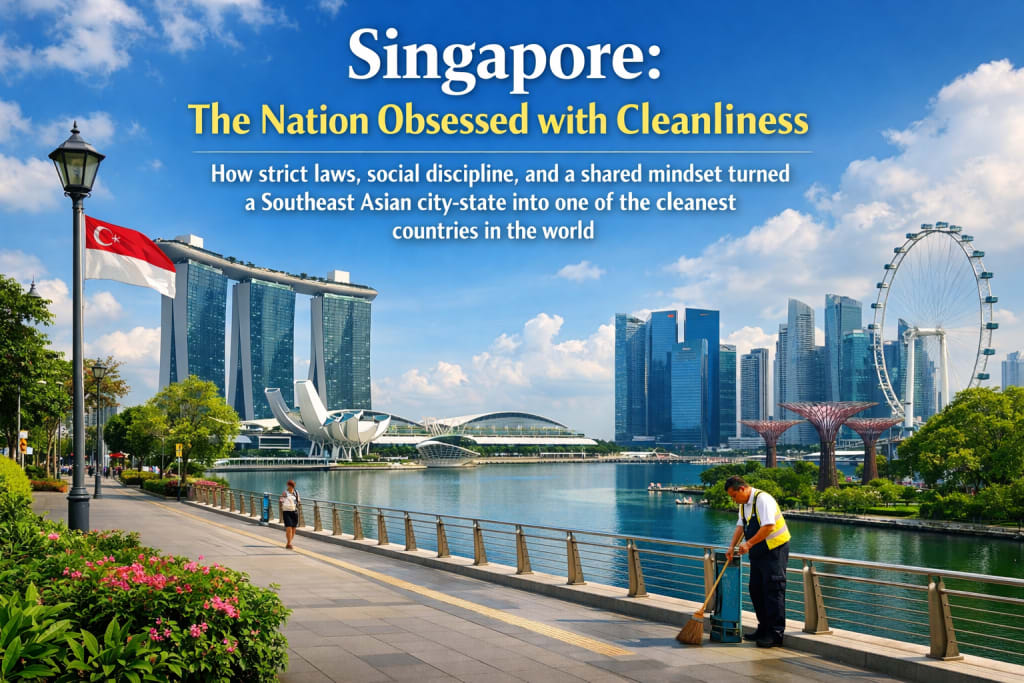
In a world where urban pollution, litter, and overcrowding are common challenges, Singapore stands out as a remarkable exception. Known globally for its spotless streets, efficient waste management, and strict public behavior laws, this small island nation has earned a reputation for being almost obsessively clean. But this cleanliness is not accidental—it is the result of deliberate policies, cultural values, and a collective sense of responsibility that has been cultivated over decades.
When Singapore gained independence in 1965, it faced numerous challenges, including poverty, unemployment, and poor sanitation. The country’s founding leader, Lee Kuan Yew, recognized early on that cleanliness was not just about aesthetics—it was essential for public health, tourism, and economic development. Under his leadership, Singapore launched nationwide campaigns to promote hygiene and discipline among its citizens.
One of the most famous initiatives was the “Keep Singapore Clean” campaign, introduced in the late 1960s. It was not merely a slogan but a movement aimed at transforming public behavior. Schools, workplaces, and communities were all involved in educating people about the importance of cleanliness. Over time, these efforts helped instill a sense of pride in maintaining a clean environment.
What truly sets Singapore apart, however, is its strict enforcement of laws. Littering is considered a serious offense, with fines that can reach hundreds or even thousands of dollars for repeat offenders. In some cases, individuals may be required to perform Corrective Work Orders (CWO), which involve cleaning public spaces while wearing a visible vest. This not only punishes the offender but also serves as a public reminder of the importance of cleanliness.
Singapore’s laws extend beyond littering. Chewing gum, for example, is heavily restricted. The ban was introduced in 1992 to prevent gum from being stuck on public property, particularly in the Mass Rapid Transit (MRT) system. While some exceptions exist for medicinal gum, the regulation reflects the country’s commitment to maintaining order and hygiene in even the smallest details.
Public spaces in Singapore are meticulously maintained. Streets are cleaned regularly, waste bins are strategically placed, and strict regulations ensure that construction sites and businesses follow cleanliness standards. Even hawker centers—open-air food courts that are central to Singaporean culture—are kept remarkably tidy despite high foot traffic.
However, Singapore’s cleanliness is not solely the result of government enforcement. It is also deeply rooted in the mindset of its people. From a young age, children are taught the importance of hygiene, discipline, and respect for public spaces. Schools emphasize values such as responsibility and community care, which play a significant role in shaping behavior.
Moreover, social pressure contributes to maintaining these standards. In Singapore, littering or behaving irresponsibly in public is often frowned upon, not just by authorities but by fellow citizens. This creates a culture where individuals feel accountable not only to the law but also to society.
Critics, however, argue that Singapore’s strict rules can sometimes feel excessive. The country has often been described as a “fine city”—a play on words referring both to its excellence and its numerous fines. Some believe that such tight regulations limit personal freedom and spontaneity. Yet, many Singaporeans see these measures as necessary trade-offs for the benefits they bring, including safety, cleanliness, and a high quality of life.
Tourists visiting Singapore are often struck by its pristine environment. From the iconic Marina Bay Sands skyline to the lush greenery of Gardens by the Bay, the city blends urban development with environmental care seamlessly. It is not uncommon to see clean sidewalks even in busy areas, something that surprises visitors from larger, more chaotic cities.
Singapore’s approach offers valuable lessons for other nations. It demonstrates that cleanliness is not just about infrastructure but also about mindset, education, and consistent enforcement. While not every country can replicate Singapore’s model exactly, elements such as public awareness campaigns and community involvement can be adapted to local contexts.
In conclusion, Singapore’s reputation as one of the cleanest countries in the world is well-deserved. Its success lies in a unique combination of strong leadership, strict laws, and a shared cultural commitment to cleanliness. What may appear as an “obsession” is, in reality, a carefully cultivated system that prioritizes public well-being and national pride. As cities around the world continue to struggle with pollution and waste management, Singapore remains a shining example of what can be achieved when a nation takes cleanliness seriously.
About the Creator
Irshad Abbasi
Ali ibn Abi Talib (RA) said 📚
“Knowledge is better than wealth, because knowledge protects you, while you have to protect wealth.
Keep reading
More stories from Irshad Abbasi and writers in Chapters and other communities.
The Culture of Tardiness
Time is often considered a universal constant, yet the way societies perceive it can differ dramatically. While punctuality is celebrated in some cultures as a sign of respect and professionalism, in others, arriving too early can be seen as intrusive, presumptuous, or even rude. This cultural paradox highlights that time is not just a mechanical measurement but a social construct, intertwined with etiquette, expectations, and values.
By Irshad Abbasi about 6 hours ago in Chapters
Mermaid Island: Experimenting With Murder (Chapter 1)
Chapter 1 Bruno raised his gun with only the slightest hesitation then quickly squeezed off three shots. The shots rang out loudly and were instantly followed by another sound. It was the thud of a body hitting the ground, but this time, the sound was drowned out by the constant roar of the waterfall.
By Justiss Goode2 days ago in Chapters




Comments
There are no comments for this story
Be the first to respond and start the conversation.