
White Label Tokenization Platform Is Exploding in 2026: Here’s Why It Matters
A concise guide to the rapid rise of white label tokenization platforms, key drivers behind their growth, and why businesses are adopting them in 2026.

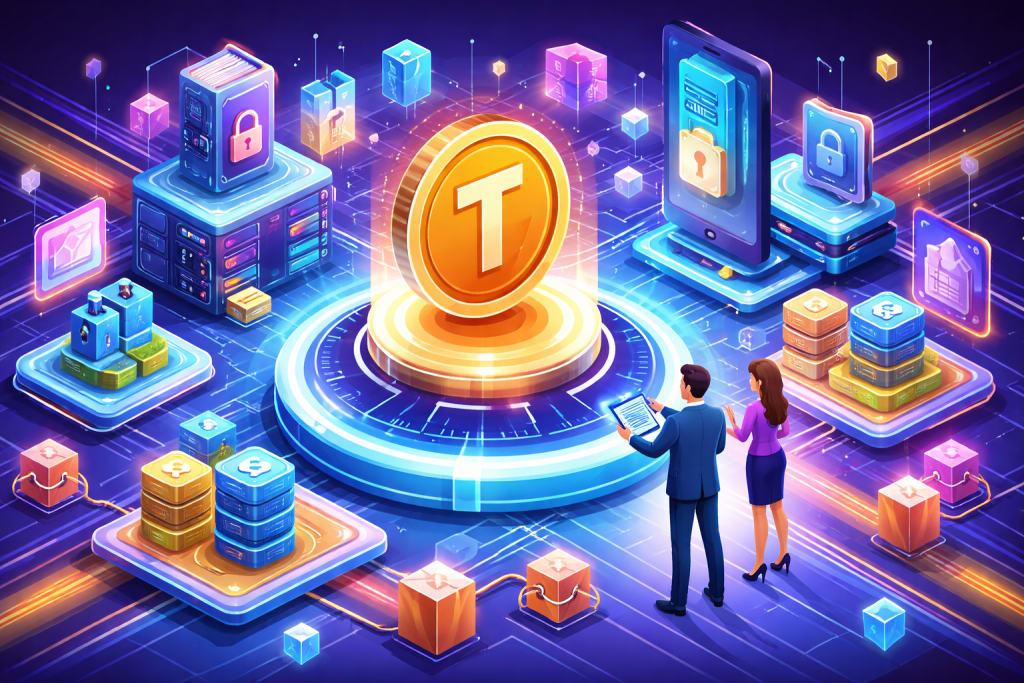
Digital ownership models are moving through a significant phase in 2026, and tokenization is at the center of this shift. Businesses, asset managers, and real estate firms are increasingly looking for faster ways to enter tokenized markets without building infrastructure from scratch. This is where the White Label Tokenization Platform is gaining attention.
Instead of investing years into development, companies now adopt ready-made frameworks that can be rebranded and launched quickly. This approach is not only saving time but also reducing technical risk. As demand for asset digitization grows, the role of white label solutions is becoming more visible across industries, especially in real estate.
The concept is simple. A business uses an already developed platform, adds its branding, and offers tokenization services to its clients. But the implications go far beyond simplicity. It is changing how financial products are introduced, how assets are managed, and how investors interact with markets.
The Growing Interest in Tokenized Assets
Tokenization is no longer limited to experimental projects. In 2026, it is becoming part of mainstream financial strategies. Real estate, bonds, commodities, and even intellectual property are being digitized into tokens that can be traded or owned fractionally.
Real estate has emerged as a major focus area. Traditional property investments often require large capital and long holding periods. Tokenization allows fractional ownership, meaning investors can buy smaller portions of a property. This opens access to a broader audience.
With this growing interest, businesses are under pressure to provide tokenization services quickly. Developing a system from scratch involves compliance layers, smart contract logic, investor dashboards, and security frameworks. This is where White Label Real Estate Tokenization becomes a practical option.
What Is a White Label Tokenization Platform
A White Label Tokenization Platform is a ready-to-use system that allows businesses to offer tokenization services under their own brand. The technology, backend systems, and operational features are already developed by a provider. The client company integrates its branding and launches the service.
These platforms typically include asset onboarding modules, smart contract integration, compliance workflows, and investor management dashboards. The business using the platform does not need to handle deep technical complexities.
In the context of property markets, a White Label Real Estate Tokenization Platform allows firms to digitize real estate assets and offer fractional ownership opportunities to investors without developing the infrastructure independently.
Why 2026 Is a Breakout Year
Several factors are contributing to the rapid growth of white label tokenization solutions in 2026.
Increased Institutional Interest
Large financial institutions are entering tokenized markets. Their involvement is increasing trust and pushing smaller firms to follow. Many of these firms prefer white label solutions to enter the market quickly.
Regulatory Progress
Governments and financial authorities are gradually introducing clearer guidelines for digital assets. While regulations vary by region, the overall direction is becoming more defined. This reduces uncertainty for businesses considering tokenization.
Demand for Faster Market Entry
Time-to-market is becoming a critical factor. Businesses that wait too long risk losing early opportunities. A White Label Tokenization Platform helps reduce development timelines significantly.
Expansion of Digital Investment Culture
Retail investors are becoming more comfortable with digital assets. Mobile-first investment behavior is increasing demand for platforms that offer easy access to tokenized opportunities.
Role of White Label Real Estate Tokenization
Real estate remains one of the most valuable asset classes globally. However, traditional processes are often slow and capital intensive. White Label Real Estate Tokenization introduces a different approach.
Property developers and agencies can tokenize assets and offer fractional ownership to investors. This not only increases liquidity but also allows properties to reach a wider audience.
White Label Real Estate Tokenization Services include asset digitization, compliance checks, smart contract deployment, and investor onboarding. Businesses can focus on marketing and client relationships while the platform handles technical operations.
Business Advantages of White Label Platforms
Faster Deployment
Developing a tokenization platform from scratch can take months or even years. White label solutions reduce this timeline significantly. Businesses can launch within weeks depending on customization requirements.
Cost Efficiency
Building a full system requires investment in development teams, security audits, and maintenance. A White Label Tokenization Platform reduces these costs by offering a ready-made solution.
Reduced Technical Complexity
Tokenization involves blockchain integration, smart contracts, and security protocols. White label providers manage these aspects, allowing businesses to focus on operations and growth.
Brand Control
Even though the technology is pre-developed, businesses maintain full control over branding. This helps in building trust with clients and maintaining a consistent market presence.
White Label Real Estate Tokenization Platform Development
The process of White Label Real Estate Tokenization Platform Development involves several structured steps. While the base system is already available, customization and integration are still required.
Platform Customization
Businesses align the platform with their branding, user interface preferences, and service offerings. This includes logo placement, color schemes, and user experience adjustments.
Asset Integration
Real estate assets are onboarded onto the platform. This includes property verification, valuation, and documentation.
Smart Contract Configuration
Smart contracts define how tokens are issued, transferred, and managed. These contracts must align with regulatory requirements and business logic.
Compliance Integration
Compliance is a critical part of tokenization. KYC and AML processes are integrated to verify investor identities and meet legal requirements.
Testing and Launch
Before going live, the platform undergoes testing to identify any issues. Once validated, it is launched for public or private use.
Market Opportunities for Businesses
The rise of White Label Real Estate Tokenization is opening new opportunities across different sectors.
Real Estate Firms
Developers and agencies can expand their offerings by introducing tokenized investment options. This helps attract a broader investor base.
Financial Service Providers
Banks and investment firms can integrate tokenization into their services. This allows them to offer new asset classes to clients.
Startups
New businesses can enter the tokenization market without heavy initial investment. White label solutions reduce entry barriers significantly.
Investment Platforms
Online investment platforms can add tokenized assets to their portfolios, providing users with more options.
Challenges to Consider
While the benefits are clear, there are challenges that businesses must address.
Regulatory Variations
Different regions have different rules for digital assets. Businesses must ensure compliance with local laws.
Security Concerns
Handling digital assets requires high levels of security. Platforms must be tested and audited to prevent vulnerabilities.
Market Awareness
Not all investors fully understand tokenization. Businesses need to invest in education and awareness efforts.
Integration Issues
Even with white label solutions, integration with existing systems can present challenges. Proper planning is required to avoid disruptions.
Importance of Choosing the Right Provider
Selecting a reliable provider is crucial for success. The quality of the White Label Tokenization Platform directly affects performance, security, and user experience.
Businesses should evaluate providers based on their experience, technical capabilities, compliance support, and post-launch services. A well-established provider can reduce risks and provide ongoing support.
White Label Real Estate Tokenization Development requires expertise in both blockchain technology and real estate processes. Providers with experience in both areas are better positioned to deliver effective solutions.
Future Outlook
The growth of tokenization is expected to continue beyond 2026. As more assets are digitized, the demand for efficient platforms will increase.
White Label Tokenization Platform solutions will likely expand to include more features, better compliance tools, and improved user experiences. Businesses that adopt early may gain a competitive advantage.
Real estate will remain a major segment, but other asset classes will also see increased tokenization activity. This will create a broader ecosystem where different types of assets can be managed within a single platform.
Conclusion
The rise of the White Label Tokenization Platform in 2026 is not just a passing trend. It reflects a deeper shift in how assets are managed, owned, and traded. Businesses are moving toward faster and more efficient methods of entering digital markets.
White Label Real Estate Tokenization is playing a major role in this shift by making property investments more accessible and flexible. With reduced development time and lower costs, companies can focus on growth and customer engagement.
At the same time, careful planning is necessary to address regulatory, technical, and market challenges. Choosing the right approach and provider can make a significant difference.
As tokenization continues to gain attention, white label solutions are becoming a practical choice for businesses aiming to establish a presence in this evolving space.
About the Creator
Ethan hunt
Ethan is a blockchain and Web3 specialist focused on building decentralized ecosystems that enhance transparency, security, and global accessibility.
Keep reading
More stories from Ethan hunt and writers in 01 and other communities.
Real Estate Asset Tokenization: Core Features Every Property Token Platform Must Include
Property ownership has long been associated with large capital requirements, complex legal structures, and limited market access. In recent years, digital assets recorded on a distributed ledger have begun to change how property ownership can be represented and traded. Real estate asset tokenization refers to the process of representing property ownership as digital tokens on a blockchain network. Each token reflects a fractional share of an underlying property such as residential buildings, office spaces, hotels, or land parcels.
By Ethan hunt9 days ago in 01
How Much Does Mobile App Consulting Cost in 2026? A Breakdown by Project Type
If you’re planning to build a mobile app in 2026, one of the first questions you’ll face is: how much does app consulting cost? Before a single line of code is written, businesses are investing heavily in consulting to validate ideas, reduce risk, and accelerate time-to-market.
By alan michael3 days ago in 01
The Hum of Taos: The low-frequency noise heard by 2% of the population that has no known source.
The pressure started behind my molars, a rhythmic, subsonic pulse that felt less like a sound and more like the earth itself was trying to grind its teeth. It wasn't loud. It wasn't even audible in the traditional sense. It was a thick, visceral vibration that crawled up through the soles of my boots and settled in the soft tissue of my throat. In the high, thin air of Taos, New Mexico, the silence is supposed to be absolute. It is a desert of sagebrush, high-altitude light, and obsidian. But for the "Hearers," the silence is a lie. They describe it as a diesel engine idling three blocks away. You go to the window. You look at the street. Empty. You put your ear to the drywall. The wall is cold. Silent. Yet, the thrum continues, a low-frequency haunting that has no origin and, for the two percent of us cursed with the right biology, no end.
By The Chaos Cabinet4 days ago in 01




Comments
There are no comments for this story
Be the first to respond and start the conversation.